 Save to Pinterest
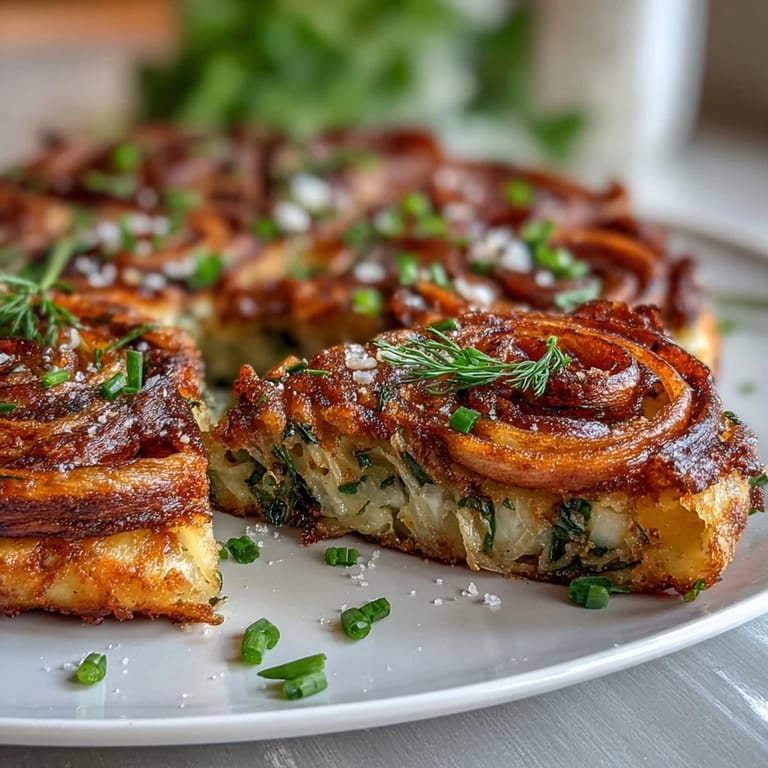
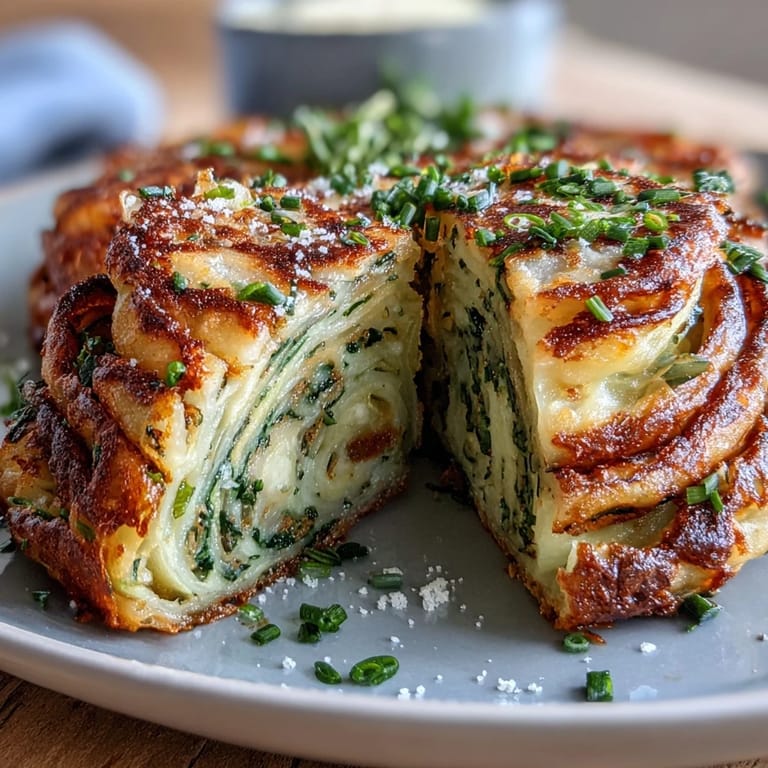
 The first time I made these spring onion pancakes, my kitchen filled instantly with the earthy scent of fresh scallions hitting hot oil. I remember being skeptical about whether my dough would ever become as flaky as the ones I'd watched sizzle at early morning street stalls in Shanghai. Yet as I rolled and coiled each pancake, I found myself surprisingly meditative, tracing flour dust across the countertop and laughing at my lopsided spirals. These little rounds of comfort quickly win hearts with every shattering, golden bite: proof that technique and patience really do pay off, even when you're improvising.
We ended up making these pancakes for friends during a game night, and there was as much laughter around the rolling pin as there was at the game table. Nobody could resist peeking under the pan lid to check for that telltale golden-brown crust, and everyone had opinions on the best way to slice them—wedges or strips. Folding the filling in together became a team sport, and by the end, we were swapping stories about street food memories and accidentally munching all the 'test' pieces right off the cooling rack.
Ingredients
- All-purpose flour: This plain flour forms the base of the dough; weigh it for accuracy if you can—I've found fluffy pancakes come from a not-too-dense mix.
- Boiling water: Poured into the flour, this kickstarts the dough's elasticity and ensures soft interiors—don't rush this step.
- Cold water: A little cool water after the hot keeps the dough manageable; my hands thank me every time.
- Salt: Not just for flavor, but also for helping draw out the scallion aroma as the pancakes cook.
- Spring onions (scallions): Bright, garlicky, and fragrant, these are sliced thin so each bite gets a burst—let them air dry after washing to avoid soggy layers.
- White pepper (optional): I love the subtle heat it brings, but it's okay to skip if not on hand.
- Vegetable oil: Glues on the flaky layers and delivers the golden, crispy crust—I always keep a bit extra for brushing between layers.
Tired of Takeout? 🥡
Get 10 meals you can make faster than delivery arrives. Seriously.
One email. No spam. Unsubscribe anytime.
Instructions
- Mix the Dough:
- Pour boiling water into flour and salt, stirring quickly: you'll see the dough come together with a steamy aroma. After adding cold water, knead with the heel of your palm until it's smooth and slightly tacky, then let it rest covered with a damp cloth.
- Shape and Portion:
- Divide your dough into four equal balls, pinching off pieces and rolling them gently. Don’t stress about perfection—rustic edges make for crispier bites.
- Roll and Fill:
- Roll a ball into a thin rectangle and brush oil across the surface, then sprinkle salt and a quarter of the spring onions evenly over it. The main goal is even distribution so you’ll get greens in every bite.
- Coil and Flatten:
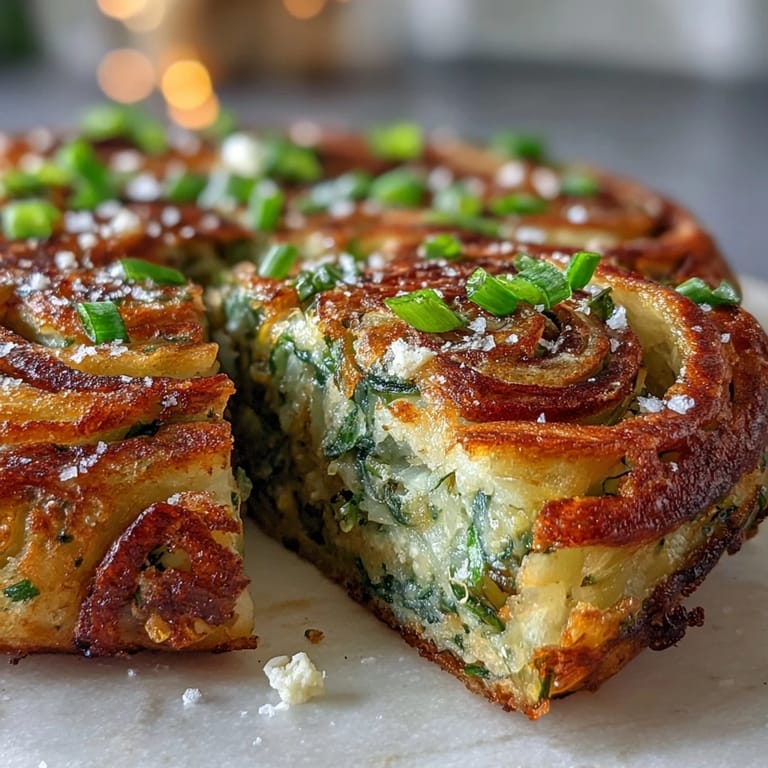
- Roll the rectangle up tightly, then coil it like a snail and tuck the tail underneath; flatten gently with your palm. Repeat for all balls, stacking them under a damp towel while you finish each one.
- Roll Out Pancakes:
- Take each coiled disc and gently roll into a round, about 6 inches across: if the scallions poke out, just tuck them back in.
- Pan-Fry to Crisp Perfection:
- Heat oil in a nonstick skillet until shimmering, then add a pancake and cook 2–3 minutes on each side; watch as the dough puffs slightly and turns golden. Drain on paper towels while you fry the rest, adding oil as needed.
- Slice and Serve:
- Let them cool just enough to handle, then slice into wedges—these are best shared warm, dunked in your favorite soy or chili sauce.
 Save to Pinterest
 I realized these pancakes had become ritual when my brother started requesting them for his birthday breakfast—no fancy candles, just a hot stack on a cutting board and a crowd of hands reaching in. The kitchen would always buzz, and for a moment, the simple act of breaking bread together felt like the star of the celebration.
Dipping Sauces That Work Wonders
My favorite way to serve these is with a trio of sauces: salty soy, spicy chili oil, and a splash of black vinegar. Let everyone mix and match and see which one gets devoured first—it adds a playful touch to mealtime and turns an ordinary snack into a choose-your-own-adventure.
Troubleshooting Texture
If you ever end up with dense pancakes, it’s usually a sign the dough wasn’t soft enough or didn’t get enough rest. Next time, add a splash more water and try kneading just a minute longer for that pillowy tenderness.
Finishing Touches That Wow
Sometimes I’ll scatter sesame seeds or an extra pinch of salt on the pancakes right before serving—crisp, flecked tops make them look special at the table.
- Have a paper towel-lined plate ready to keep pancakes crisp before serving.
- If leftovers go soggy, crisp slices in a hot dry pan for 1–2 minutes.
- Don’t skip the final brush of oil—it’s the difference between good and spectacular.
 Save to Pinterest
 It’s always surprising how a handful of pantry staples and a few minutes of careful rolling can create something so shareable. Try a batch, and I bet you’ll find yourself reaching for this recipe next time you need a little edible comfort or a crowd-pleaser in a hurry.
Recipe FAQs
- → How long should the dough rest?
Rest the dough covered for about 20 minutes. This relaxes the gluten, making it easier to roll thin sheets and improving the layered texture.
- → How do I create the flaky layers?
Roll the dough thin, brush with oil, sprinkle scallions, roll into a log, coil into a spiral and flatten. The oil between layers separates the dough during frying to produce flakes.
- → What pan and heat level work best?
A nonstick skillet or well-seasoned cast-iron over medium heat is ideal. Fry 2-3 minutes per side until golden, lowering heat if edges brown too quickly before cooking through.
- → Can these be made ahead and stored?
Yes. Cool completely, layer with paper between each pancake, and refrigerate up to 24 hours or freeze in a sealed bag. Reheat in a skillet to restore crispness.
- → What are good filling variations?
Add sesame seeds, minced garlic, chopped cabbage, or substitute chives for scallions to vary flavor and texture while keeping the layered technique.
- → How can I make them extra flaky?
Brush each rolled layer generously with oil, roll very thin, and press lightly when coiling. A properly rested dough and a hot skillet help achieve pronounced layers and crisp edges.