 Save to Pinterest
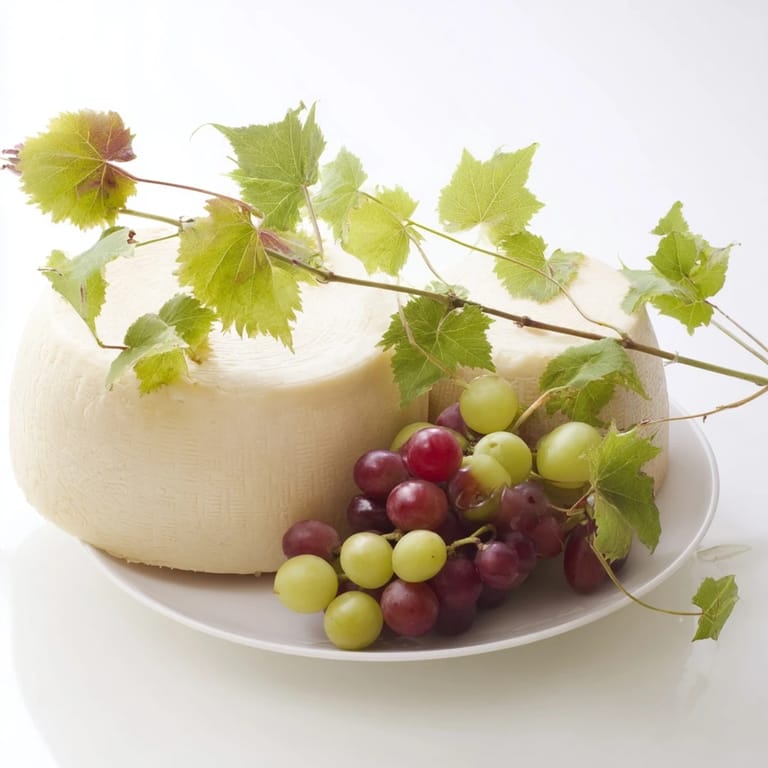
 There's something magical about the way grapevines drape themselves across a table—I discovered this when visiting a small farmhouse in Tuscany, where the keeper simply laid fresh vines across a wooden board and suddenly the whole meal felt like an event. The cheese wheels gleamed beneath those curling leaves, and I realized right then that sometimes the most elegant dishes need almost no cooking at all. This is one of those presentations that looks like you spent hours planning when really you just trusted the ingredients to speak for themselves.
I made this for the first time at a potluck where everyone else brought casseroles and baked goods—nothing wrong with that, but I wanted to bring something that felt different. When people gathered around, they didn't reach for forks; they just picked up cheese, a grape, maybe some bread, and suddenly everyone was standing around the board talking for an hour instead of rushing through dinner. That's when I knew I'd found something special.
Ingredients
- Young, rustic cheese wheels (2 large, about 1.5 kg each): Look for tomme, young pecorino, or farmhouse cheeses that are still soft enough to cut easily but have enough structure to hold their shape on the board; they should taste bright and a little earthy, not aged and dense.
- Long grapevine branches (3–4 untreated vines): These are the backbone of your presentation—wash and dry them thoroughly the day before so they're pliable and won't wilt, and make sure they've never been sprayed with pesticides or fungicides.
- Fresh grapes (500 g, red, green, or mixed): Grapes that still cling to their stems are ideal because they look more abundant and natural; if you can only find loose grapes, they still work, just nestle them carefully between the vines.
- Baguette or rustic country bread: Slice it thickly and let it sit out for a few hours so it dries slightly and won't fall apart when you pick it up with one hand and cheese in the other.
- Assorted nuts (100 g walnuts, almonds, or hazelnuts): Raw or lightly toasted nuts add texture and earthiness that bridges the creamy cheese and juicy grapes beautifully.
- Dried fruits (100 g figs, apricots, or dates): These bring a subtle sweetness and chewy contrast that makes people pause and taste more deliberately.
Tired of Takeout? 🥡
Get 10 meals you can make faster than delivery arrives. Seriously.
One email. No spam. Unsubscribe anytime.
Instructions
- Prepare your stage:
- Set your large wooden board or rustic platter on the table where you'll serve it—this way you're not fussing with it at the last minute. Make sure the board is clean and dry, and if it feels rough or splinter-prone, do a quick pass with a damp cloth and let it dry completely.
- Arrange the vine foundation:
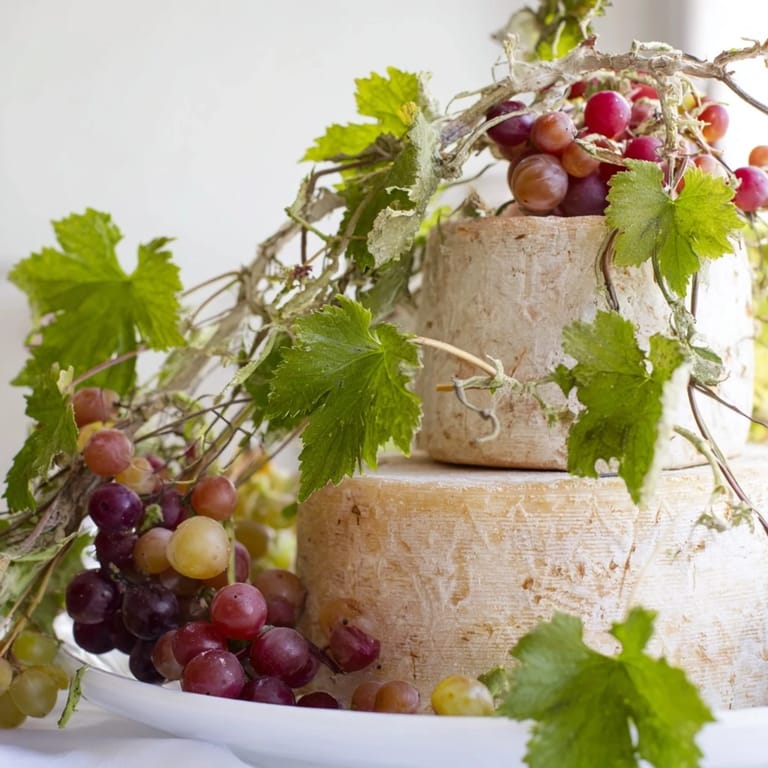
- Lay your grapevine branches loosely across the board, crisscrossing them so they look organic rather than arranged, and let the leaves and tendrils drape over the edges naturally. This is where you get to be an artist—don't overthink it, just imagine how vines would naturally fall if they were growing there.
- Position the cheese wheels:
- Set your cheese wheels down so they nestle partially beneath some of the vines and are partially exposed—this creates visual depth and makes the cheese feel like it's growing right out of the vineyard. Leave a little space between the two wheels so you can tuck things into the gap.
- Tuck in the grapes:
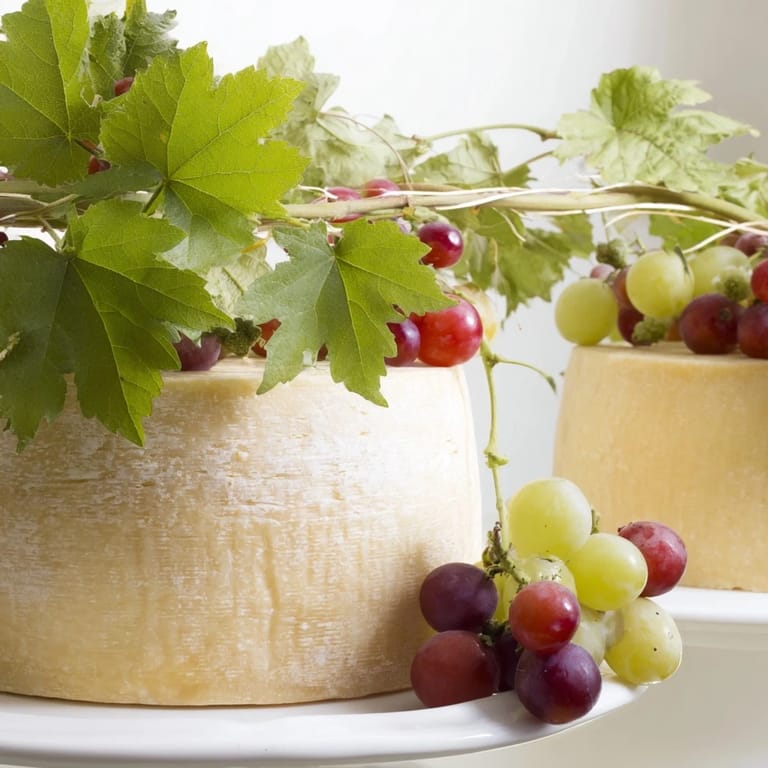
- Scatter grape clusters around and between the vines, letting some rest on top of the cheese wheels if they'll stay put, and tucking others into the folds and gaps you created. The grapes should look abundant but not crowded.
- Fill the gaps with bread and accompaniments:
- Arrange sliced bread in small casual piles, scatter nuts, and place dried fruits where you see white or empty space—think of it like you're filling negative space in a painting. Nothing should look forced or too symmetrical.
- Final touches and serving:
- Step back and look at it as a whole; if something feels too empty, add a few more grapes or nuts. Serve everything at room temperature so the cheese is soft and spreadable and the flavors are bright and clean.
 Save to Pinterest
 What strikes me most about this dish is how it turned a simple cheese board into something people remember and talk about—not because it was complicated, but because it felt intentional and a little wild, like we were eating in someone's vineyard. That's the real magic: trusting that good ingredients don't need much fussing.
Sourcing Your Ingredients Like a Local
The heart of this dish lives or dies on the quality of your cheese and vines, so it's worth spending a few extra minutes finding the right ones. Hit up a farmers market where you can actually talk to the cheesemaker and ask them which wheels are youngest and most rustic—they'll have opinions and they'll point you toward exactly what you need. For grapevines, befriend someone with a vineyard or a big garden, or check if your local farmers market has vendors selling edible or ornamental vines; never just assume vines from a florist or garden center are untreated.
Wine Pairing and Table Presence
This board demands wine, so think crisp whites like Sauvignon Blanc or Pinot Grigio, or if you want red, go light and cool it slightly—a chilled Grenache or young Beaujolais works beautifully. The presentation itself is half the magic, so place it where people will gather naturally; a high counter or center of the table is better than off to the side where it gets forgotten. Leave room around it for people to move and reach, and watch how the board brings everyone together.
Making It Your Own and Troubleshooting
Once you get comfortable with the basic structure, you can play—substitute grape leaves if full vines aren't available, add a drizzle of local honey or good olive oil on the cheese for richness, or switch the nuts and dried fruits based on what you have. I've done versions with fresh figs in summer and pomegranate seeds in winter, and each one felt seasonal and new.
- If your cheese is too soft or warm and slides when you cut it, pop it in the refrigerator for 10 minutes right before serving, then take it back out to sit for 5 minutes so it softens slightly.
- Grapevines can be prepped the day before and stored loosely rolled in a paper towel in a cool place so they stay fresh and pliable.
- Always do a final visual check 5 minutes before guests arrive—you might spot an empty corner or a vine that needs repositioning to make the whole thing feel balanced.
 Save to Pinterest
 This dish is really about slowing down and letting people taste what they're eating without distractions—no plates, no forks, just fingers and good conversation. It's become my go-to when I want everyone at the table to feel like they're in a place they've never been but somehow feel at home.
Recipe FAQs
- → What type of cheese works best for this dish?
Young, rustic cheeses such as tomme, young pecorino, or farmhouse-style cheeses provide the ideal texture and flavor for this presentation.
- → Can grape leaves substitute for grapevine branches?
Yes, grape leaves can be used if full grapevine branches are unavailable, maintaining the fresh vineyard aesthetic.
- → Should the cheese be served warm or cold?
Serving the cheese at room temperature helps bring out its natural flavors and softens the texture for easier pairing.
- → Are there suggested accompaniments to enhance the dish?
Sliced rustic bread, assorted nuts like walnuts or almonds, and dried fruits such as figs or apricots complement the flavors beautifully.
- → How to ensure the grapevines are safe to use?
Use only untreated, organic grapevine branches that have not been exposed to pesticides to maintain food safety and freshness.