 Save to Pinterest
 Last winter, I was hunting for something to sip between meetings when a friend handed me a cup of hojicha and said nothing except smile. The smell hit first—toasted grain, almost like caramel without the sugar, with this warm earthiness that made me pause mid-breath. That one cup rewired how I thought about tea, and eventually led me to the kitchen trying to build it into something creamier, richer, something that felt like a hug in a mug.
I made this for my partner on a quiet Sunday morning when the apartment was still dark, and watching them taste it and go silent for a few seconds told me everything. They asked for seconds, which almost never happens, and by the end of the week I'd made the hojicha flat white four times. It became our thing—that moment before the day gets loud.
Ingredients
- Hojicha loose leaf tea or tea bags: Two teaspoons captures the deep roasted flavor without overwhelming the milk, though I've learned that loose leaf gives you more control and tastes fractionally smoother.
- Hot water: Aim for 120 milliliters at around 90 degrees Celsius (just before a rolling boil), as this temperature extracts the toasted notes without pulling out harsh tannins.
- Whole milk: Use cold milk straight from the fridge, because the temperature contrast helps you froth it into those glossy, tiny bubbles that make the drink feel luxurious.
- Oat or almond milk: Either works beautifully for a dairy-free version, though oat milk froths more reliably in my experience.
- Sweetener (optional): One teaspoon of sugar, honey, or syrup dissolves cleanly and balances the roasted earthiness without covering it up.
Tired of Takeout? 🥡
Get 10 meals you can make faster than delivery arrives. Seriously.
One email. No spam. Unsubscribe anytime.
Instructions
- Brew your hojicha concentrate:
- Place loose leaf tea or tea bags into a cup with 120 milliliters of hot water and let it steep for three to four minutes—you'll see the liquid deepen to a warm amber-brown. Strain out the leaves or remove the bags, and you're left with a concentrated, fragrant base.
- Warm and froth the milk:
- Pour 120 milliliters of cold milk into a small saucepan and heat it gently until steam rises (around 60 degrees Celsius), then use a steam wand, handheld frother, or even a jar with a tight lid to create fine microfoam. The key is patience—rushing this step gives you bubbles instead of that silky, pourable foam.
- Sweeten the base:
- Pour your hojicha concentrate into a pre-warmed cup, add sweetener if you're using it, and stir until fully dissolved so there are no grainy bits at the bottom.
- Pour with intention:
- Hold back the foam with a small spoon and pour the liquid milk first to blend with the hojicha, then gently top with that creamy foam for a smooth, elegant finish.
- Serve right away:
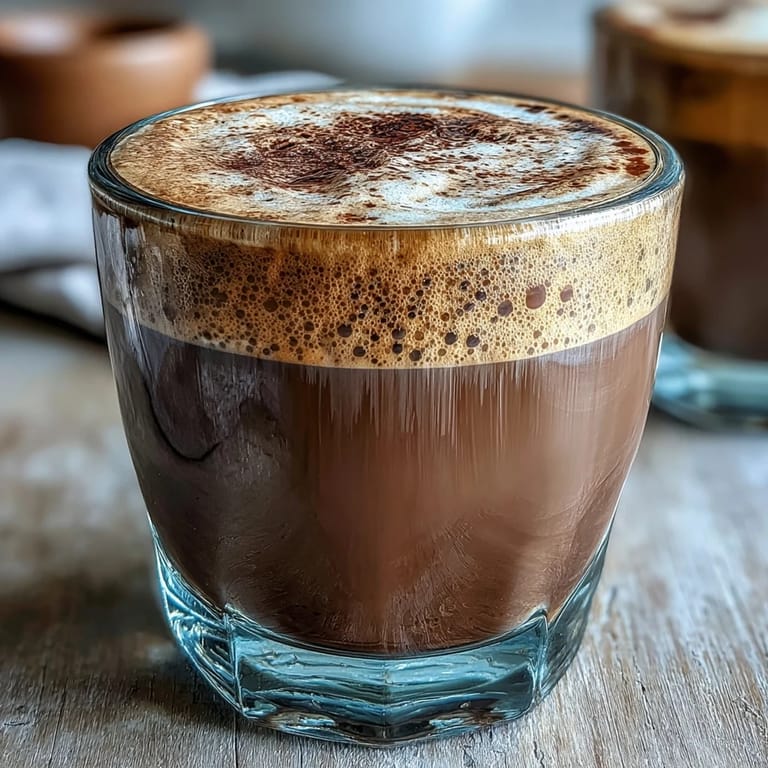
- The beauty of this drink is in the temperature—the warmth of the tea and milk meeting the cold froth creates this perfect balance that starts cooling the moment it hits your lips.
 Save to Pinterest
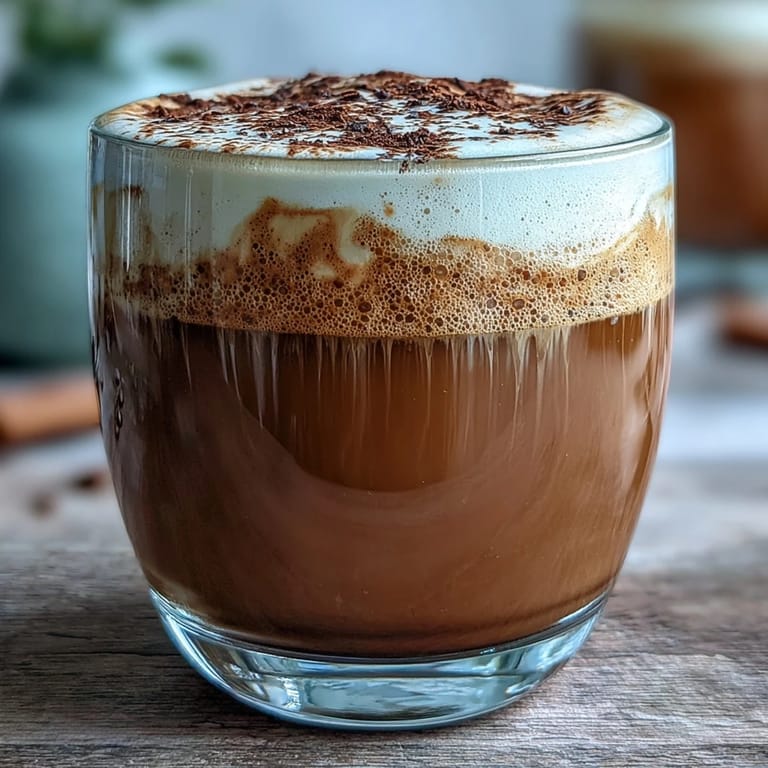
 There's a moment every time I make this when the hojicha hits the milk and the colors swirl together into this warm caramel-brown, and I remember why I started making this in the first place. It's become one of those drinks that tastes like comfort and intention mixed together.
The Art of the Microfoam
Microfoam isn't just tiny bubbles—it's milk that's been heated and aerated in a way that creates a velvety, pourable texture instead of stiff peaks. With hojicha, you want that microfoam to sit on top without collapsing, which means the bubbles need to be so fine they're almost invisible. I've made this with a steam wand, with a handheld frother, and even by shaking milk in a jar, and each method works if you focus on creating uniformity rather than volume.
Adjusting Strength and Flavor
Hojicha strength is personal—some people love it bold and roasted, while others prefer it whisper-soft behind the milk. The solution is simple: steep longer if you want more intensity, or use less tea if you prefer subtlety. I've also discovered that a tiny dust of hojicha powder on top, or even a sprinkle of cinnamon, catches the light and adds a hint of flavor that makes the drink feel finished without tasting heavy.
Scaling and Variations
This recipe is written for one beautiful cup, but the ratios scale easily if you're making this for someone else or doubling it for yourself on a cold day. I've made it with honey for depth, with almond milk for a lighter feel, and even with a splash of vanilla extract whisked into the foam for something different. One thing I learned is to always start with less sweetener and add more if needed, because the hojicha itself has a gentle sweetness that speaks up once the milk cools slightly.
- Try steeping the hojicha for five minutes instead of four if you like a more pronounced roasted flavor without any bitterness.
- Dust the foam with a light sprinkle of cinnamon, nutmeg, or even cocoa powder for subtle warmth.
- Use the best milk you can find—cheap milk froths poorly and tastes thin compared to higher-fat varieties.
 Save to Pinterest
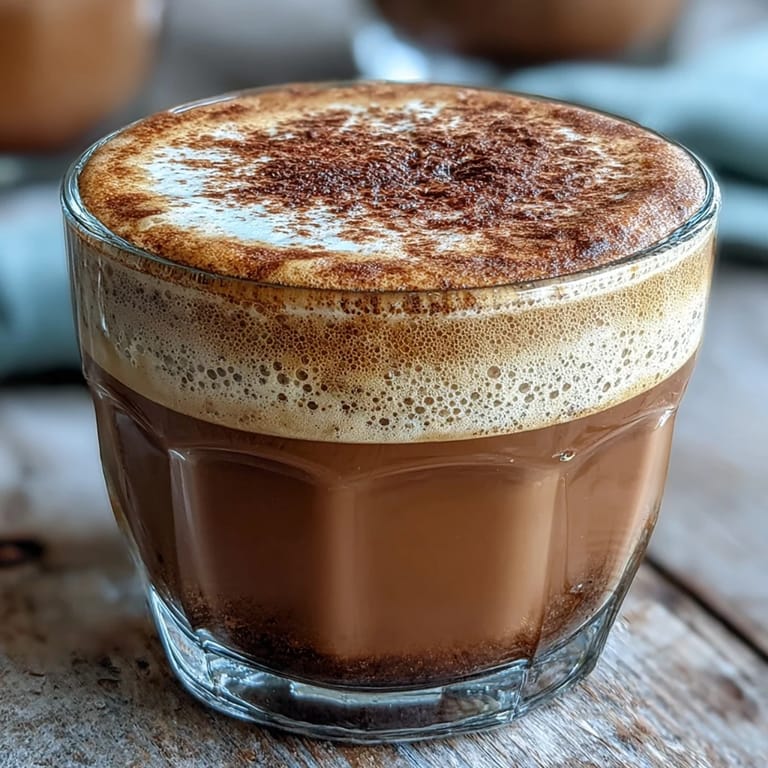
 This hojicha flat white has become the kind of drink I make when I need a moment that tastes like something, if that makes sense. It's my favorite small ritual.
Recipe FAQs
- → What makes hojicha different from regular green tea?
Hojicha is roasted green tea that develops a deep reddish-brown color and distinctive toasty, nutty flavor profile. The roasting process reduces caffeine content and removes bitterness, resulting in a smooth, mellow taste that pairs exceptionally well with milk.
- → Can I make this without a milk frother?
Absolutely. Heat your milk until steaming, then pour it into a sealed jar and shake vigorously for 30-60 seconds until frothy. Alternatively, whisk vigorously while heating or use a blender for 20 seconds to create microfoam-like texture.
- → What milk alternatives work best?
Oat milk froths beautifully and creates the closest texture to dairy milk. Almond milk also works but produces lighter foam. Soy milk creates decent microfoam but may require more practice. Avoid coconut milk as the flavor overpowers hojicha's delicate notes.
- → How do I adjust the strength?
For a bolder tea flavor, steep longer (up to 5 minutes) or use an additional teaspoon of leaves. For lighter notes, reduce steeping time to 2 minutes. You can also adjust the milk-to-tea ratio—more concentrate yields stronger flavor.
- → Is this suitable for people avoiding caffeine?
While hojicha contains less caffeine than regular green tea due to roasting, it's not caffeine-free. Those sensitive to caffeine might consider decaffeinated hojicha or limit consumption to earlier in the day. The gentle caffeine content provides mild energy without jitters.
- → Can I prepare the hojicha concentrate in advance?
Yes, brew a larger batch and refrigerate for up to 3 days. Reheat gently before frothing milk. Cold hojicha concentrate also works well for iced versions—simply pour over ice and top with cold frothed milk for a refreshing summer variation.