 Save to Pinterest
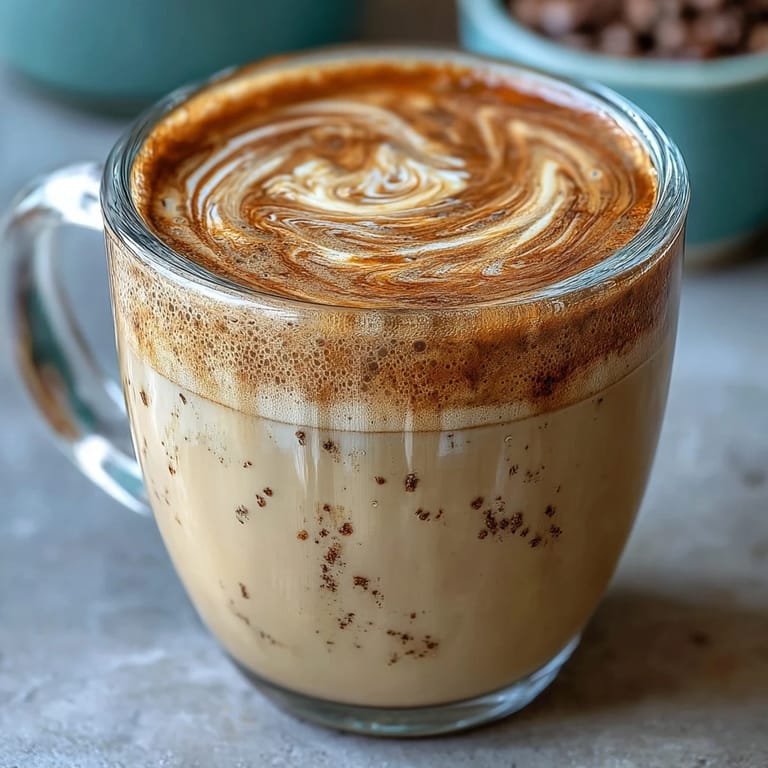
 One quiet morning, I was standing in my kitchen watching steam rise from a kettle, thinking about how I'd spent too many afternoons reaching for coffee I didn't really need. A friend had left behind a small tin of hojicha powder, and on a whim, I whispered the contents into hot water and watched it transform into this earthy, roasted cloud. That first sip—warm, gentle, and surprisingly comforting—reminded me that the best discoveries sometimes come from what we already have on hand.
I made this for my sister during one of those visits where we're too tired to cook but want something that feels intentional. She watched me whisk the powder into water, curious about the whole process, and by the time I handed her the finished cup, she was already asking if I could make it again tomorrow. It became our thing on lazy Sunday mornings, something we'd sip while sitting by the window without needing to say much.
Ingredients
- Hojicha powder: This is roasted green tea, and it's where all the magic starts—it has a toasty, almost nutty depth that regular green tea doesn't have, and the roasting process mellows any bitterness.
- Plant milk (oat, soy, or almond): Oat milk creates the silkiest texture and plays beautifully with the vanilla, though any plant milk works if that's what you have.
- Pure vanilla extract: A small amount goes a long way, adding warmth without overpowering the delicate tea flavor underneath.
- Maple syrup or sweetener of choice: This is optional and adjustable—sometimes I skip it entirely and let the hojicha's natural sweetness shine through.
- Boiling water: Fresh, hot water matters here because it helps dissolve the powder fully and creates that tiny bit of froth that makes the drink feel special.
Tired of Takeout? 🥡
Get 10 meals you can make faster than delivery arrives. Seriously.
One email. No spam. Unsubscribe anytime.
Instructions
- Whisk the hojicha into hot water:
- In a mug or small bowl, pour boiling water over the hojicha powder and whisk steadily for about 30 seconds until you see a light layer of foam form on top and the powder dissolves completely. The whisking isn't just functional—it aerates the tea and gives it a silky texture from the start.
- Steam your plant milk gently:
- Pour the plant milk into a small saucepan and heat it over medium heat, stirring occasionally, until steam just begins to rise and tiny bubbles form around the edges—you want it hot and slightly foamy, not boiling. If you have a frother, this is the moment to use it for extra creaminess.
- Stir in vanilla and sweetness:
- Once the milk is steaming, remove it from heat and whisk in the vanilla extract and maple syrup (if using), letting the heat carry the vanilla's aroma through the milk.
- Bring it all together:
- Slowly pour the vanilla-infused milk over the dissolved hojicha, and stir gently to create a uniform color and texture. Serve right away while everything is still warm and the aromas are strongest.
 Save to Pinterest
 There's something almost meditative about making this drink, the way the powder blooms into the water like a small magic trick, the smell of roasted tea filling the kitchen. It stopped being just breakfast and became the moment I gave myself permission to slow down before the day actually started.
Why Hojicha is Worth Knowing About
Hojicha has been roasted, which transforms it into something entirely different from the green tea it came from. The roasting process reduces the caffeine content significantly, makes the flavor earthier and slightly sweet, and removes any grassy notes that sometimes make green tea feel sharp or demanding. It's the kind of tea that feels nourishing rather than stimulating, which is exactly what drew me to it in the first place.
Making This Your Own
The beauty of this recipe is how forgiving it is—it invites you to experiment and adjust. I've made it with coconut milk on days when I wanted something tropical, and I've skipped the vanilla entirely to let the hojicha's own subtle sweetness be the star. The ratio of tea to milk is just a starting point, not a rule, and some mornings I make it stronger with more powder, other times I prefer it lighter and milkier.
Small Details That Make a Difference
The temperature and technique matter more than you'd think for something so simple. Using truly boiling water on the hojicha powder ensures it dissolves smoothly instead of settling into a grainy sludge at the bottom of your mug. The whisking motion aerates the mixture, giving it a slightly thicker, more luxurious feel even before the milk goes in. Watching the milk heat rather than rushing it on high heat keeps it from developing a burnt edge, which can happen faster than you'd expect with plant milks.
- Taste as you build the drink, adding vanilla and sweetener bit by bit so you can land exactly where you want on the sweetness spectrum.
- If your plant milk has started to separate (which happens sometimes), shake the carton well before pouring.
- This drink stays best when made and served immediately, so don't make it ahead expecting it to hold.
 Save to Pinterest
 This is the kind of recipe that reminds me why cooking—even something as small as a single cup of tea—matters. It's about pausing, choosing warmth, and giving yourself something that tastes like care.
Recipe FAQs
- → What does hojicha taste like?
Hojicha has a distinctive toasty, nutty flavor with caramel-like notes. Unlike other green teas, the roasting process reduces bitterness and astringency, resulting in a smooth, earthy taste that pairs beautifully with creamy milk and sweet vanilla.
- → Is hojicha lower in caffeine than regular green tea?
Yes, hojicha contains significantly less caffeine than other green teas. The roasting process breaks down caffeine molecules, making this latte an excellent choice for afternoon or evening enjoyment without disrupting sleep.
- → Can I use hojicha tea bags instead of powder?
While tea bags will work, powder creates a smoother, more integrated latte. Powder dissolves completely into the liquid, whereas tea bags may leave a lighter infusion. If using bags, steep longer and whisk vigorously for the best results.
- → Which plant milk works best for this latte?
Oat milk produces the creamiest, most latte-like texture and naturally sweet flavor that complements hojicha's roasted notes. Soy milk also froths beautifully. Almond milk adds extra nuttiness but may be thinner. Choose based on your preferred consistency.
- → Can I make this iced?
Absolutely. Prepare the hojicha concentrate as directed, then let it cool. Froth cold plant milk or simply shake it with ice, then pour over the tea base. Adjust sweetener since cold temperatures mute sweetness perception.
- → How should I store hojicha powder?
Keep hojicha powder in an airtight container away from light, heat, and moisture. A cool pantry or cupboard works well. Properly stored, it maintains its roasted flavor for 6-12 months. Avoid refrigeration as condensation can affect texture.