 Save to Pinterest
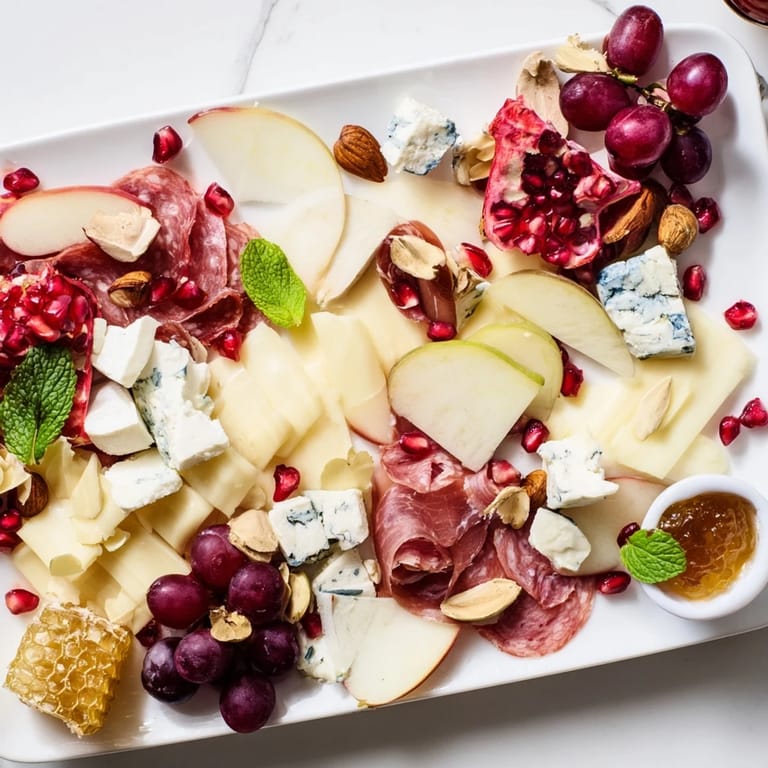
 I'll never forget the first time I arranged a cheese board that actually made guests pause mid-conversation. It was at a dinner party where I wanted to impress, and instead of the usual scattered platter, I decided to create something with intention—a diagonal cascade of colors and textures that flowed like a river of edible jewels. That's when I discovered the magic of the pomegranate seed. Those ruby-red arils catching the light transformed what could have been just another appetizer into a moment of genuine delight. Now, every time I build this board, I'm chasing that same feeling: the gasp when someone sees it, the way people slow down to truly taste each pairing.
I remember assembling one of these boards for my sister's birthday gathering, and watching her face light up when she walked into the room was worth every carefully arranged slice. Her daughter, who typically picks at appetizers, actually sat down and tried everything, asking questions about why certain things tasted the way they did. That's when I realized this board isn't just about feeding people—it's about creating a moment where everyone slows down and actually connects over food.
Ingredients
- Creamy goat cheese: At 100 g, this is your soft anchor—it spreads beautifully and provides a tangy contrast. Buy it whole and slice it yourself rather than pre-crumbled; the texture makes all the difference in how it presents on the board.
- Aged Manchego: This semi-hard Spanish cheese has a nutty complexity that pairs wonderfully with the fruit. 100 g gives you enough presence without overwhelming the board's balance.
- Blue cheese: Just 100 g of this bold character goes a long way. Its crumbly nature creates wonderful visual texture, and the sharpness becomes addictive when paired with sweet elements.
- Prosciutto: At 80 g, this silky cured meat drapes elegantly. The saltiness is essential—it's what makes you reach for the sweet fruits next.
- Spicy salami: Another 80 g rounds out your meat selection with a peppery kick. Look for varieties with visible spice specks for visual interest.
- Pomegranate arils: These are the stars of your show. Separate them gently from the white pith; they should gleam like actual jewels. If you can, buy a fresh pomegranate and extract the arils yourself—the ritual is part of the joy.
- Red grapes, pear, and apple: Fresh fruits provide crispness and natural sweetness. Slice the pear and apple just before arranging, and toss them lightly with lemon juice to prevent browning—this keeps your board looking pristine.
- Dried apricots and figs: These chewy treasures bridge the gap between fresh and preserved, adding depth and concentrated sweetness. Halving them makes them easier to eat and more inviting.
- Toasted pistachios and roasted almonds: 40 g each provides crunch and a subtle earthiness. The toasting matters; it awakens their oils and makes them smell incredible as people gather around the board.
- Honeycomb and fig jam: These condiments are your flavor amplifiers. They turn simple cheese into something transcendent, especially when people discover them tucked at the board's ends.
- Crusty baguette and artisan crackers: Your delivery vessels. The baguette adds rustic charm while crackers offer options for those who prefer delicate vehicles for their cheese.
- Fresh mint: A handful of leaves scattered across the arrangement adds a whisper of freshness and brings the whole composition to life visually.
Tired of Takeout? 🥡
Get 10 meals you can make faster than delivery arrives. Seriously.
One email. No spam. Unsubscribe anytime.
Instructions
- Envision your cascade:
- Before you place a single ingredient, picture a diagonal line flowing from the top left to the bottom right of your board. This invisible guide is everything—it's what transforms a random arrangement into something intentional and beautiful. Step back frequently to see how the eye naturally follows the path.
- Layer your cheeses with purpose:
- Begin along your diagonal with the cheeses, alternating between goat cheese slices, Manchego slices, and crumbles of blue cheese. Leave small gaps between varieties; these spaces are where other ingredients will tuck in and create visual rhythm. Think of it like setting out stepping stones rather than building a wall.
- Drape the cured meats:
- Gently fold the prosciutto and salami so they create soft, organic shapes. Don't lay them flat and stiff—let edges overlap and curl slightly. Nestle these folds between your cheese sections, allowing them to cascade downward as well. This is where the board starts to feel alive.
- Weave in fresh and dried fruits:
- Now comes the artistry. Arrange your pear and apple slices so they lean into the diagonal. Tuck in grape halves in clusters, creating little pockets of color. Position dried apricots and figs to fill gaps and add depth—these darker elements ground the lighter cheeses and meats visually.
- Crown with pomegranate jewels:
- Generously scatter your pomegranate arils across the entire cascade, but especially concentrate them into clusters along the diagonal line. These rubies catch light and draw the eye, making your board feel abundant. As you sprinkle them, you'll see the board transform into something truly special.
- Add crunch and textural contrast:
- Scatter toasted pistachios and roasted almonds throughout, tucking them into crevices and gaps. These nuts provide visual variety and promise texture to every bite someone takes.
- Position your condiments:
- Place small bowls of honeycomb and fig jam at either end of your diagonal line. These become little discoveries as people make their way along the board, signaling that there are flavor secrets to explore.
- Frame with bread and crackers:
- Fan out baguette slices and arrange crackers along both sides of your cascade, leaving them slightly separated from the main design. They become the easy access points, the edible utensils that allow people to gather and enjoy without hesitation.
- Breathe life into the final touches:
- Scatter fresh mint leaves across the arrangement, particularly in areas where there might be visual heaviness. The green adds life, freshness, and aroma—it tells people this board is about joy.
- Present at the moment of glory:
- Bring this board out when guests are gathered and ready. Room temperature is perfect; the cheeses will be creamy, the fruits crisp, and all the flavors will play together beautifully. Let people admire it for just a moment before the happy chaos of reaching and tasting begins.
 Save to Pinterest
 I once made this board for a client meeting that turned into an unexpected conversation about food memory and family traditions. As people reached for pieces, stories emerged—someone remembered their grandmother's kitchen in Spain, another mentioned learning to appreciate blue cheese later in life. That's when I understood that a thoughtfully arranged cheese board is an invitation for people to slow down and connect, not just eat.
The Art of Balance
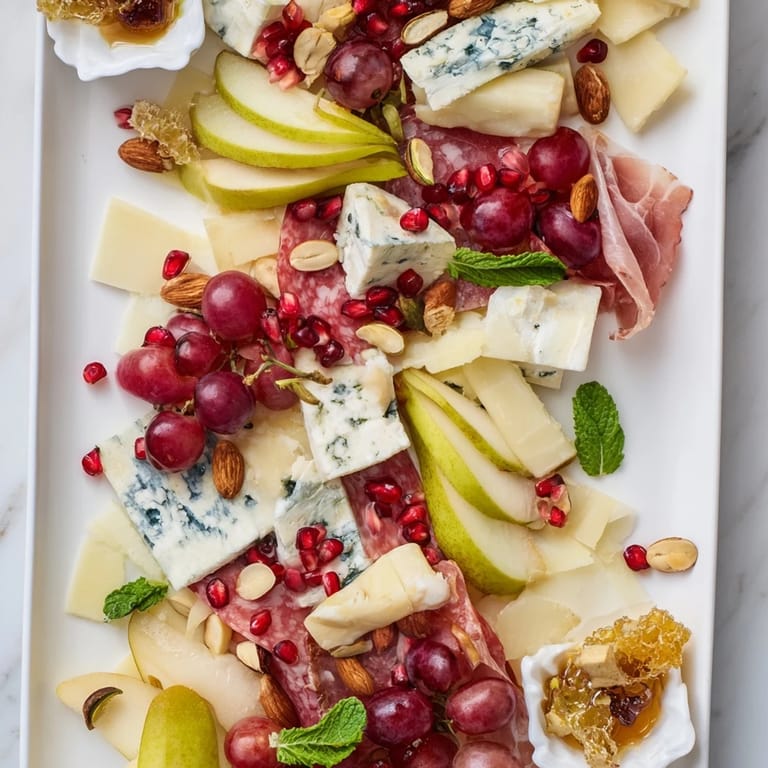
The secret to a stunning cheese board isn't knowing fancy techniques—it's understanding balance. You're balancing soft with firm, salty with sweet, familiar with adventurous. Think about texture diversity: the creamy goat cheese needs the crunch of nuts and the crispness of fresh apple slices. The richness of blue cheese calls for the brightness of pomegranate. Every element you add should answer a question posed by the elements already there. When you start thinking this way, you stop just arranging ingredients and start composing an experience.
Creating the Cascade Effect
The diagonal cascade isn't just pretty—it's functional. It guides the eye and makes the board feel intentional, almost like a story unfolding across the platter. When you arrange elements along this line, you create natural rhythm and flow. Guests instinctively follow the cascade, discovering new flavor combinations as they move along it. The pomegranate arils become milestones of joy along this path, little celebrations of color that break up the monotony and keep things visually interesting from every angle.
Cheese Selection and Substitution
While goat cheese, Manchego, and blue cheese create a beautiful flavor progression from creamy-tangy to nutty to boldly sharp, you have freedom here. A soft Brie adds luxurious creaminess; an aged Cheddar brings a deeper, more crystalline sharpness. Camembert offers earthiness. The key is including at least three distinct cheese personalities: one soft, one semi-firm, one bold or crumbly. This variety prevents palate fatigue and ensures there's something that speaks to everyone's preferences. Visit your local cheesemonger—they'll guide you toward what's at peak ripeness and flavor.
- Always taste cheeses before buying to ensure quality and ripeness
- Keep cheeses wrapped separately until you're ready to arrange to prevent flavor bleeding
- If Manchego seems expensive, Spanish Idiazabal is an excellent substitute with similar characteristics
 Save to Pinterest
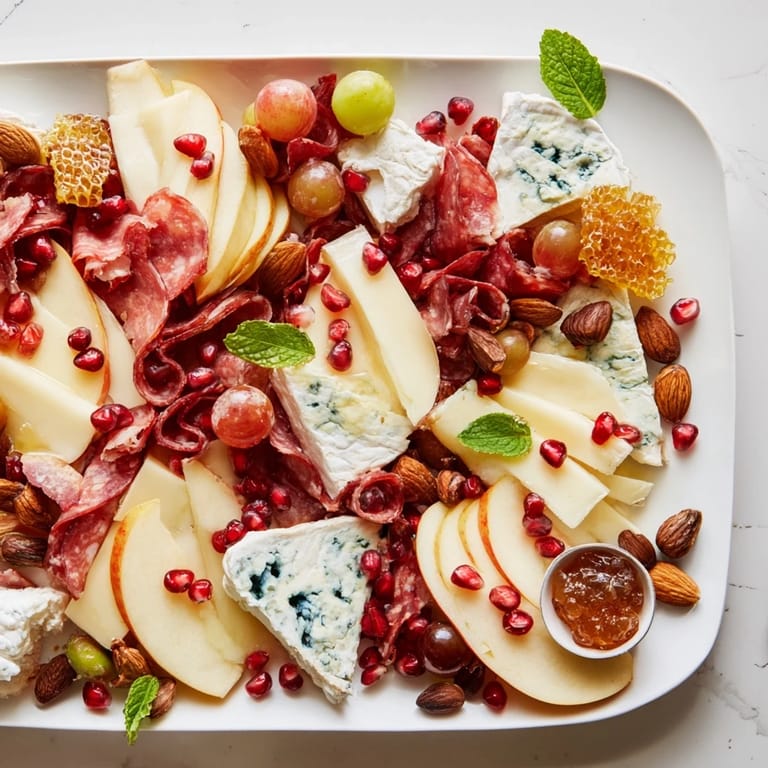
 This board isn't just about feeding people—it's about creating a moment where quality ingredients and thoughtful presentation combine to say, "I'm glad you're here, and you deserve something beautiful." That's what keeps people coming back.
Recipe FAQs
- → How can I make this board vegetarian-friendly?
Simply omit the cured meats and increase the variety of nuts or roasted vegetables to maintain texture and flavor balance.
- → What cheeses pair best in this arrangement?
Soft creamy goat cheese, aged Manchego, and crumbly blue cheese provide a range of textures and flavors that harmonize beautifully.
- → Can I substitute the fresh fruits used here?
Yes, pears, apples, grapes, and pomegranate seeds can be swapped for seasonal fruits like figs, berries, or citrus segments for variation.
- → How should I arrange the components for the best presentation?
Arrange ingredients diagonally across a large board, layering cheeses and meats alternatingly, scattering fruits and nuts along the flow for visual appeal.
- → What accompaniments complement this board nicely?
Honeycomb, fig jam, crusty baguette slices, and artisan crackers add sweetness and crunch, enhancing the overall tasting experience.