 Save to Pinterest
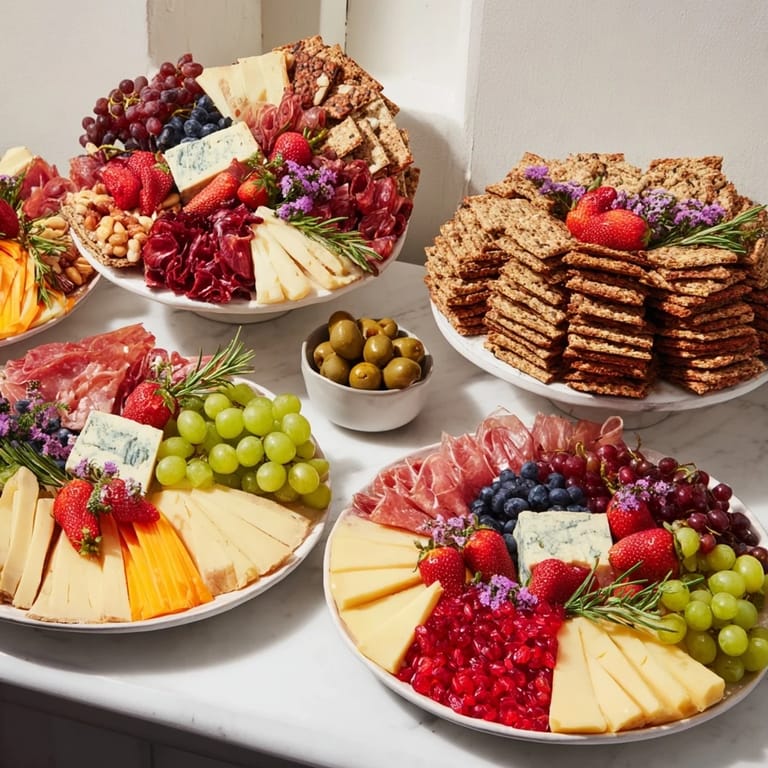
 I'll never forget the evening I decided to transform our holiday dinner into something completely theatrical. Inspired by the magic of The Nutcracker Suite, I imagined a board that didn't just feed people—it transported them into a world of color, drama, and festive wonder. That night, as guests arrived and gasped at the towering, color-blocked arrangement, I realized I'd created something far more than an appetizer spread. This board became the centerpiece of conversation, a edible work of art that made everyone feel like they'd stepped into a ballet.
I remember my daughter's face when she saw the finished board for the first time. She spun around it slowly, pointing out each color block like she was reading a edible map. By the end of the night, it wasn't just food on a board—it had become a shared memory, something she still talks about when the holidays come around.
Ingredients
- Brie (150 g, white block): This creamy, buttery cheese serves as your anchor for the white section. Its mild flavor works as a beautiful canvas, especially when you let it soften slightly at room temperature before serving.
- Aged Cheddar (150 g, yellow block): Sharp and assertive, aged cheddar creates a bold statement in your yellow section. The longer it ages, the more complex the flavor—and the more visual impact it brings.
- Blue Cheese (150 g, blue block): Pungent and dramatic, this is your color hero for the blue tier. A little goes a long way, and the striking appearance makes it worth every ounce.
- Gouda (150 g, orange block): Smooth, slightly sweet, and deeply golden, gouda is the workhorse of your warm-toned section. Its creamy texture contrasts beautifully with crispier elements.
- Cranberry Goat Cheese (100 g, red/pink block): This is your secret weapon—tart, slightly sweet, and jewel-toned. It bridges the gap between savory and sweet in the most elegant way.
- Prosciutto (100 g, pink/rose block): Paper-thin slices fold beautifully and add delicate salty notes. The translucent quality lets light pass through, creating visual depth.
- Salami and Soppressata (100 g each, red blocks): These cured meats offer a range of reds and deeply spiced flavors. Their sturdy texture means they hold their shape and color beautifully throughout serving.
- Red, Green, and Blueberries (1 cup each): Fresh berries bring jewel-like brightness and a burst of sweetness. They stay fresher longer when added just before serving.
- Strawberries (1 cup, red block): Slice them just before arranging to prevent browning, and position some whole for visual drama.
- Dried Apricots (1 cup, orange block): Their concentrated sweetness and chewy texture create textural variety. They're also less fragile than fresh fruits when stacked on a tiered board.
- Pomegranate Seeds (1 cup, ruby block): These ruby jewels are pure theater. Their slight tartness and crisp pop make them irresistible to guests.
- Marcona Almonds (1/2 cup, white block): These Spanish almonds are buttery and luxurious—worth the investment for the quality impression they make.
- Pistachios (1/2 cup, green block): Their natural color and subtle earthiness anchor the green sections beautifully.
- Candied Pecans (1/2 cup, brown block): The sweetness and crunch make these addictive. They add warmth and richness to the palette.
- Mixed Olives (1/2 cup, green/black block): Briny and bold, olives add a savory counterpoint. Serve them in a small bowl so guests can easily help themselves.
- Assorted Crackers (1/2 cup, neutral block): Choose a variety of shapes and colors for visual interest. Mix delicate wafers with heartier rounds.
- Baguette Slices (1/2 baguette, neutral block): Slice just before serving and arrange standing up for height and accessibility.
- White Chocolate Bark (150 g, white block): Break into irregular shards—the imperfection adds charm. The sweetness here is essential for balance.
- Dark Chocolate (150 g, black block): Rich and sophisticated, this creates dramatic visual contrast and provides depth to the sweet section.
- Macarons and Petit Fours (12 each, various colors): These delicate sweets are your punctuation marks—small, perfectly formed, and utterly charming scattered throughout the board.
- Fresh Rosemary Sprigs and Edible Flowers (for garnish): Green herbs and colorful flowers are your final flourish. They bridge colors and add a whisper of nature to the theatrical arrangement.
Tired of Takeout? 🥡
Get 10 meals you can make faster than delivery arrives. Seriously.
One email. No spam. Unsubscribe anytime.
Instructions
- Build Your Foundation:
- Start by choosing your base—a large wooden board or multiple platters arranged at different heights using cake stands, pedestals, or even overturned bowls. This isn't a flat surface; this is your stage. The varying heights create drama and make sure every element is visible and accessible from all angles.
- Create Your Palette:
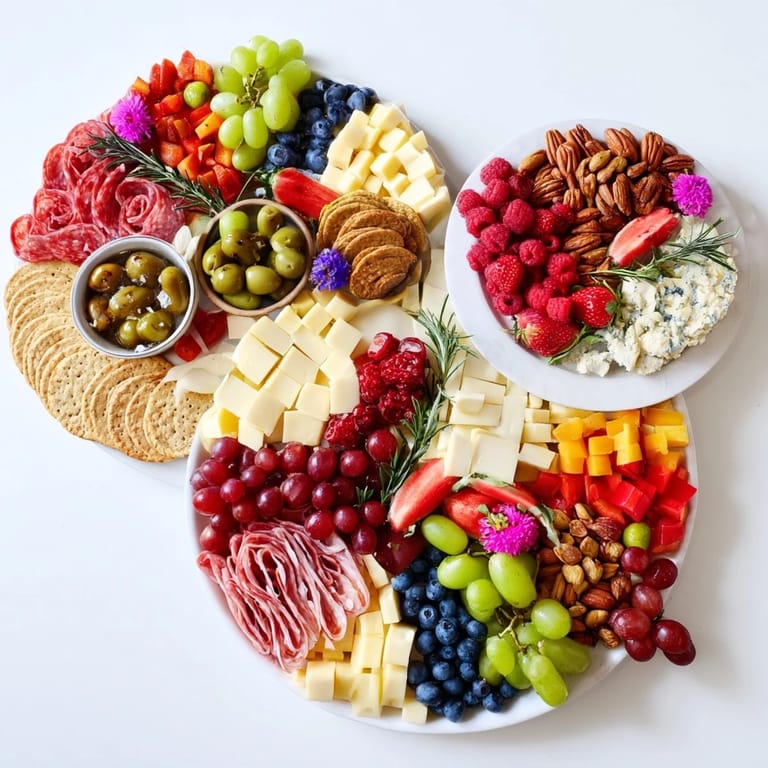
- Before you place a single ingredient, visualize your color blocks like an artist's palette. You're creating distinct sections of white, yellow, blue, orange, pink, red, green, and dark jewel tones. Each section should feel intentional, like you've drawn invisible lines across the board.
- Establish the Neutral Base:
- Begin with your foundation tier—crackers, baguette slices, and nuts. These create a sturdy, neutral background that lets your more vibrant colors pop. Arrange them in small clusters rather than scattering them randomly.
- Anchor with Cheese Blocks:
- Now place your cheeses. Cut some into wedges or chunks to show off their color and texture, but leave some in larger pieces so guests can see the whole. Think about how light hits each cheese differently—a sharp cheddar glows golden, while blue cheese demands to be noticed.
- Drape the Charcuterie:
- This is where you bring movement to the board. Fold prosciutto loosely so it has air and dimension. Overlap slices of salami and soppressata in gentle waves. The goal is to make these cured meats look like fabric in a ballet costume.
- Scatter the Jewels:
- Now comes the fun part—filling the gaps with fruits and sweets. Layer your berries in clusters, letting some roll naturally into crevices. Pomegranate seeds should be scattered like tiny rubies catching the light. Dried apricots nestle between cheeses. You're filling white space while maintaining color intentionality.
- Add Texture and Richness:
- Distribute nuts and olives in small bowls or tight clusters. These items don't need to spread across the board; they're punctuation marks. The chocolates can be broken into shards and layered, and the macarons and petit fours should be placed like precious gems—visible but not overwhelming.
- Finish with Theater:
- Finally, tuck rosemary sprigs throughout the board and scatter edible flowers where colors need a bridge or emphasis. Step back and look at your creation. Does every color sing? Is there visual movement? Can someone's eye travel around the board with pleasure?
- Final Check and Serve:
- Make sure all your tiered stands are completely stable. Check that the tallest items won't block shorter items from view. Then step back, take a photo because you've earned it, and present this beautiful board to your guests immediately so everything is fresh and colors are at their most vibrant.
 Save to Pinterest
 There's a particular magic that happens when a board like this sits in the center of a table. It's not just food—it becomes a conversation starter, a focal point, something that makes people slow down and actually notice what they're eating. I've watched strangers at parties bond over discovering their favorite element on the board together.
The Art of Color Blocking
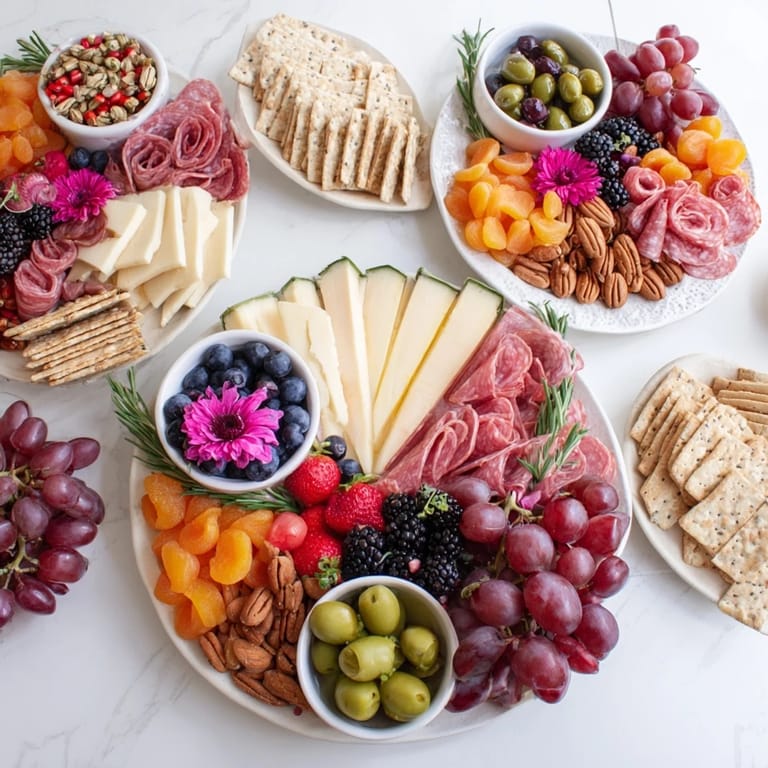
The secret to this board's visual impact is treating it like a painter treats a canvas. Each color block should feel intentional and contained, even though ingredients will naturally migrate slightly as people eat. The beauty of committed color sections is that even as gaps appear, the overall impression of organized elegance remains. When you're arranging, think about how the colors relate to each other—reds and pinks create warmth, blues and greens provide cool contrast, whites and golds anchor and elevate. This isn't random; it's choreography.
Building Height and Dimension
A flat board feels like a snack plate. A tiered board feels like an installation. The difference is using whatever tools you have—cake stands, pedestals, stacked books under a platter, even overturned bowls—to create varying heights. This serves both practical and aesthetic purposes. Practically, it ensures everything is accessible and visible. Aesthetically, it creates drama and makes the board feel like a landscape rather than a line-up. I learned this when I first made this board on a completely flat surface and felt disappointed; the moment I added height, it transformed.
Timing and Temperature Tricks
Temperature matters more than people realize when it comes to grazing boards. Soft cheeses taste best when they've had time to warm up slightly, roughly thirty minutes out of the fridge. Crackers stay crispest when they're added just before serving. Chocolate is best enjoyed when it's not softening under kitchen lights. The solution is strategic timing—prep everything in advance, keep the board covered and chilled until the last possible moment, then take it out about thirty minutes before guests arrive so cheeses soften and everything reaches that perfect serving temperature. Here are the final touches to remember:
- Keep a small ice pack beneath the board if your party is long or your kitchen is warm, rotating it out as needed
- Add fresh herbs and edible flowers literally as guests are arriving—they wilt faster than anything else
- Pre-slice some cheeses and meats for guests who aren't comfortable cutting their own, but leave some whole pieces so people can see what they're eating
 Save to Pinterest
 This board is proof that the most memorable moments in the kitchen often come from courage—the courage to make something beautiful, to try something theatrical, to invite people into the process of creating something that feeds both belly and spirit. Every time you make this, it gets easier and more natural.
Recipe FAQs
- → How do I assemble the layers for a multi-tier grazing board?
Use sturdy cake stands, pedestals, or stacked boards to create height and separate tiers. Start with neutral items at the base and build upward with colorful cheeses, cured meats, fruits, and sweets for an appealing layout.
- → What cheeses work best for color-blocking?
Choose cheeses with distinct colors such as brie (white), aged cheddar (yellow), blue cheese (blue), gouda (orange), and cranberry goat cheese (red/pink) to create vibrant, attractive blocks.
- → How can I adapt the board for vegetarian guests?
Omit charcuterie and expand cheese quantities or add marinated vegetables, roasted nuts, and extra fruits to maintain variety and texture without meat.
- → What garnishes enhance the presentation?
Fresh rosemary sprigs and edible flowers add festive green accents and colorful pops, enhancing the visual drama and elegant feel of the board.
- → How should I pair beverages with this grazing board?
Complement the flavors with sparkling wine, light red wine, or herbal teas to balance the assortment of savory, sweet, and salty elements.