 Save to Pinterest
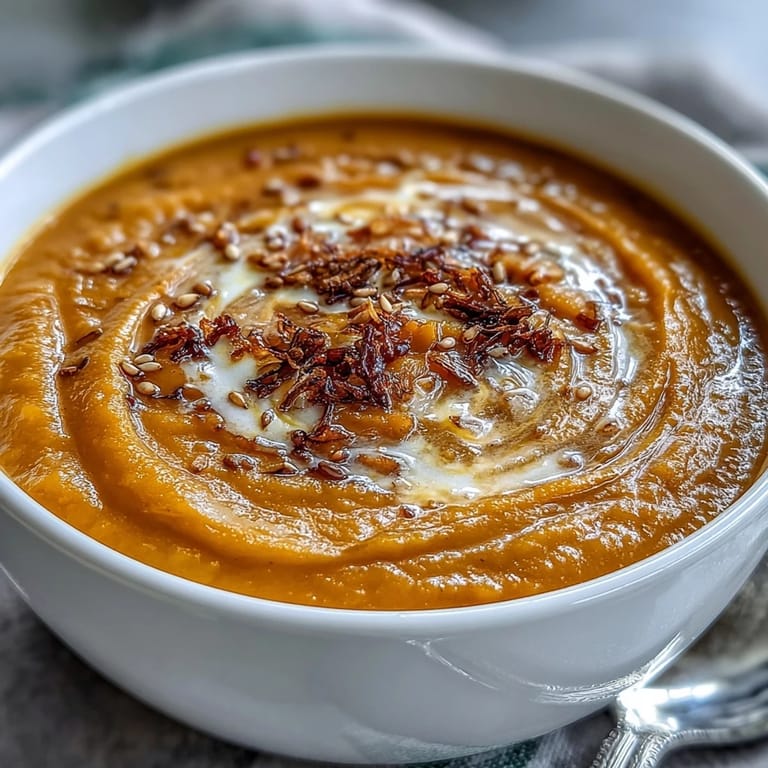
 Experience a warm embrace in a bowl with this Miso Butternut Squash Soup. This silky, comforting dish features oven-roasted butternut squash blended with aromatic vegetables and savory miso paste. It offers a nourishing, umami-rich flavor profile that bridges the gap between autumn comfort and Japanese-inspired elegance.
Save to Pinterest By roasting the butternut squash until caramelized, you unlock a natural sweetness that balances the ginger and garlic. This soup is not only a nutritional powerhouse but also a satisfying meal that feels indulgent without the need for heavy cream.
Ingredients
Tired of Takeout? 🥡
Get 10 meals you can make faster than delivery arrives. Seriously.
One email. No spam. Unsubscribe anytime.
- Vegetables: 1 medium butternut squash (about 2 lbs), peeled, seeded, and cubed; 1 medium yellow onion, diced; 2 cloves garlic, minced; 1-inch piece fresh ginger, peeled and grated.
- Broth & Seasonings: 4 cups low-sodium vegetable broth, 2 tablespoons white miso paste, 1 tablespoon olive oil, 1/2 teaspoon salt, 1/4 teaspoon black pepper.
- Garnish (Optional): 2 tablespoons coconut cream or sour cream, 1 tablespoon chopped chives or scallions, toasted sesame seeds.
Instructions
- Step 1
- Preheat the oven to 400°F (200°C) and line a baking sheet with parchment paper.
- Step 2
- Toss the cubed butternut squash with 1/2 tablespoon olive oil, salt, and pepper. Spread evenly on the baking sheet.
- Step 3
- Roast for 30-35 minutes, turning halfway, until the squash is tender and caramelized.
- Step 4
- In a large pot, heat the remaining 1/2 tablespoon olive oil over medium heat. Add onion, garlic, and ginger. Sauté for 4-5 minutes until soft and fragrant.
- Step 5
- Add the roasted squash to the pot, pour in the vegetable broth, and bring to a simmer. Cook for 5 minutes.
- Step 6
- Remove from heat. Using an immersion blender, puree the soup until completely smooth and creamy.
- Step 7
- In a small bowl, mix miso paste with a ladleful of hot soup liquid until smooth. Stir this mixture back into the soup.
- Step 8
- Taste and adjust seasoning. Gently reheat if necessary, but do not boil after adding the miso.
- Step 9
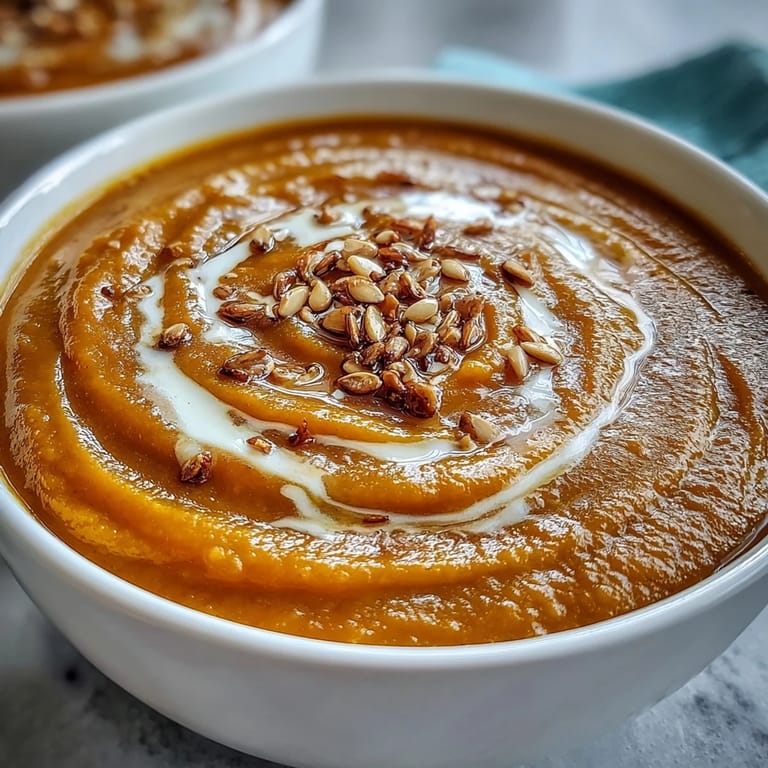
- Ladle into bowls and garnish with coconut cream, chives, and sesame seeds.
Zusatztipps für die Zubereitung
To ensure a perfectly smooth soup, make sure the roasted squash is very tender before blending. When adding the miso, always whisk it with a bit of warm liquid first to avoid any salty clumps in the final dish.
Varianten und Anpassungen
You can easily swap the butternut squash for kabocha or pumpkin. For those seeking even more creaminess, stir in a splash of coconut milk just before blending to enhance the soup's velvety texture.
Serviervorschläge
Serve this nourishing soup alongside crusty bread or a side of steamed rice for a heartier meal. The contrast of warm soup and fresh chives makes for a beautiful presentation.
 Save to Pinterest
 This soup contains soy from the miso paste and is gluten-free when using certified miso and broth. Each serving provides approximately 180 calories, 5g of fat, 32g of carbohydrates, and 3g of protein. Enjoy this healthy, umami-packed meal!
Recipe FAQs
- → What type of miso is best?
White or yellow miso paste delivers a mild sweetness that complements the butternut squash without overpowering it.
- → Can other squash varieties be used?
Kabocha or pumpkin can substitute butternut squash, each adding a unique texture and sweetness.
- → How to achieve a smooth texture?
Blend the cooked ingredients thoroughly using an immersion or countertop blender until completely creamy.
- → Is roasting necessary?
Roasting the squash caramelizes sugars and deepens its flavor, enhancing the overall richness.
- → What garnishes enhance the dish?
Coconut cream, chopped chives, and toasted sesame seeds add creaminess, freshness, and nutty notes respectively.
- → How to adjust seasoning?
Salt and pepper can be added after blending; avoid boiling once miso is mixed in to preserve delicate flavors.