 Save to Pinterest
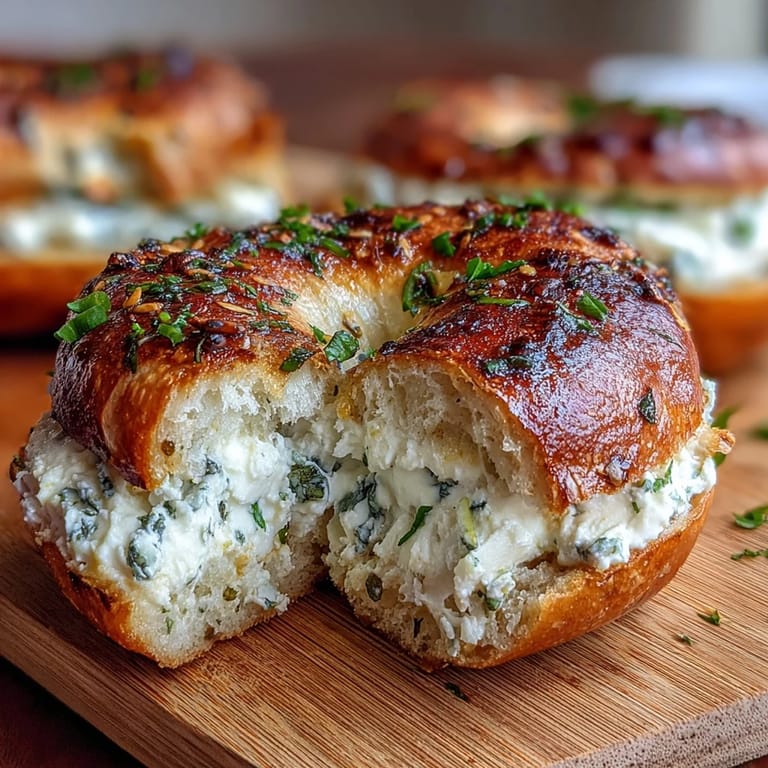
 There's something about the smell of garlic and herbs hitting a warm kitchen that makes you feel like you're doing something right. I stumbled onto these protein bagels one Tuesday morning when I was tired of the same old breakfast routine and wanted something that actually stuck with me until lunch. The first batch came out chewy and golden, and the moment I spread that creamy cottage cheese mixture on top, I realized I'd accidentally created something that tasted indulgent but made me feel genuinely fueled. My partner grabbed one without asking and barely said a word—just kept eating until it was gone, which is never a good sign for my breakfast plans. Now they're in regular rotation, and honestly, I can't imagine going back.
I brought a batch to a potluck once, skeptical about whether people would even try something labeled "protein bagels," and they disappeared faster than the croissants. A friend I hadn't seen in ages pulled me aside and asked for the recipe, and we ended up having this whole conversation about how we're both trying to eat better without sacrificing flavor. That moment made me realize this recipe does something special—it doesn't feel like you're compromising, it feels like you're winning.
Ingredients
- Bread flour: This gives the bagels their signature chew; all-purpose flour won't give you that same structure, and it matters.
- Unflavored whey protein powder: Buy the good stuff here because cheap protein can leave a bitter aftertaste that'll haunt your whole bagel; I learned this the hard way.
- Instant yeast: Make sure it's fresh and store it in the fridge once opened, or your rise time will stretch longer than expected.
- Dried mixed herbs: A blend keeps things interesting, but if you only have oregano or basil, one of those alone works fine.
- Garlic powder: Don't skip this; it's what makes people ask "what is that amazing flavor?" when they bite in.
- Warm water: Too hot and you'll kill the yeast, too cool and nothing happens; use a thermometer if you're nervous about it.
- Olive oil: Just a touch to keep the dough from sticking and add subtle richness to each bite.
- Honey or sugar for boiling: This creates that shiny, chewy exterior that makes a real bagel actually taste like a bagel.
- Baking soda: Sounds weird but trust it; this is what gives bagels their specific texture when they're boiled first.
- Cottage cheese: Full-fat tastes creamier, but low-fat works if that's what you have; don't use fat-free, it's chalky.
- Fresh chives and parsley: Dried herbs here just aren't the same; fresh makes the spread taste alive and bright.
- Lemon zest: A small amount cuts through the richness and prevents the spread from tasting heavy.
Tired of Takeout? 🥡
Get 10 meals you can make faster than delivery arrives. Seriously.
One email. No spam. Unsubscribe anytime.
Instructions
- Mix your dry ingredients together:
- Combine the bread flour, protein powder, yeast, sugar, salt, dried herbs, and garlic powder in a large bowl. This step ensures the yeast distributes evenly and the herbs are woven throughout before you add any liquid.
- Bring it together with water and oil:
- Pour in the warm water and olive oil, stirring until everything comes together into a shaggy, rough dough. Don't worry if it looks messy; that's exactly right.
- Knead until it transforms:
- Work the dough on a floured surface for about 8 minutes, pushing it away from you with the heel of your hand, folding it back, and repeating. You'll feel it go from rough and sticky to smooth and elastic, almost like it wakes up under your hands.
- Let it rise in a warm spot:
- Transfer the dough to an oiled bowl, cover it loosely with a damp towel, and find a warm corner of your kitchen. In 30 to 40 minutes, it should double in size; if your kitchen is chilly, turn on the oven for a minute then turn it off and use that warmth.
- Preheat and prep:
- Get your oven to 425°F and line a baking tray with parchment paper while the dough finishes its rise. This gives you one less thing to think about when you're shaping.
- Shape your bagels:
- Punch down the dough to release the air, divide it into 6 equal pieces, and roll each into a tight ball. Poke your thumb through the center of each ball and gently stretch to form a ring shape, about 3 inches across the hole.
- Boil your water:
- Bring 2 quarts of water to a gentle boil in a large saucepan and add the honey and baking soda; you'll see it fizz slightly, which is normal. The soda and honey together create that signature chewy, dense texture bagels are famous for.
- Give each bagel a bath:
- Gently drop a bagel into the boiling water and let it sit for 45 seconds, then flip it with a slotted spoon and boil the other side for another 45 seconds. The bagel will sink at first, then pop back up to the surface; that's when you know it's ready to flip.
- Bake until golden:
- Transfer each boiled bagel to the parchment-lined tray and slide them into the oven for 18 to 20 minutes, until they're deep golden brown and sound hollow when you tap the bottom. Let them cool on a rack for at least 10 minutes before slicing.
- Make the spread while bagels cool:
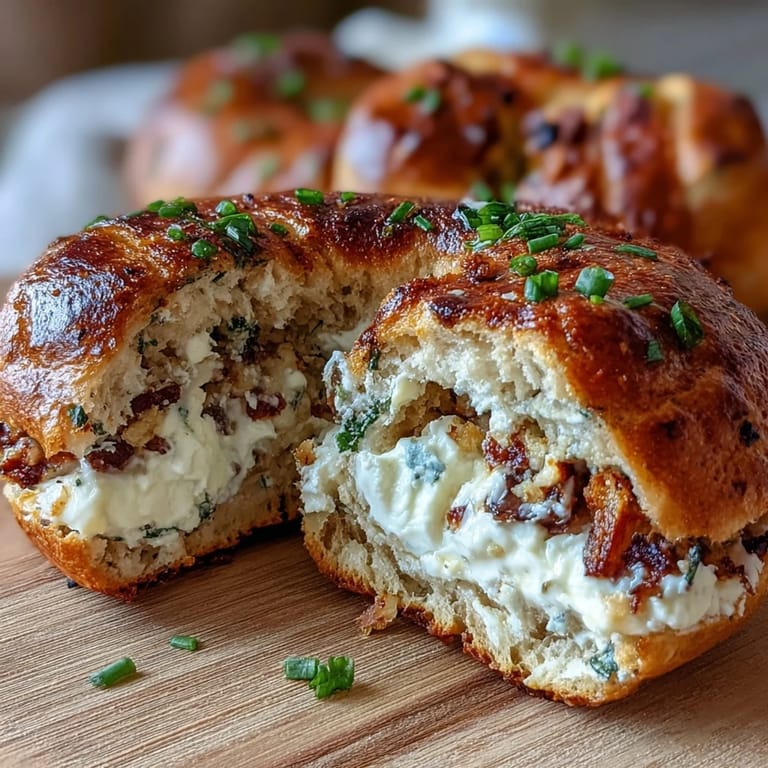
- Whisk together cottage cheese, chopped chives, parsley, minced garlic, lemon zest, salt, and pepper until creamy and well combined. Taste as you go and adjust the seasoning; you want it bright and savory.
- Slice and serve:
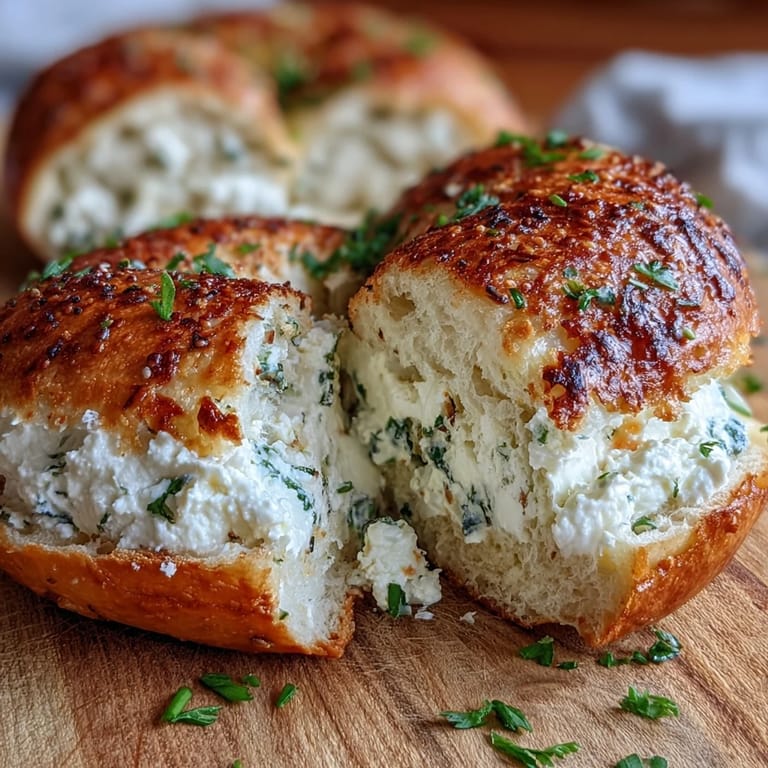
- Split each cooled bagel in half and spread a generous layer of the cottage cheese mixture on each half. Eat while you're feeling good about yourself.
 Save to Pinterest
 My kid once dipped a slice into hot sauce and created something I never would have thought of, but now that's their version. Food that brings out that kind of creativity, where people feel comfortable making it their own, is the kind of recipe worth keeping around.
Why the Boiling Step Actually Matters
I used to make bagels without boiling them once, thinking I was being clever and saving a step. What came out of the oven were basically just dense rolls with holes in the middle, nothing like the chewy, distinctive texture that makes a bagel a bagel. The boiling gelatinizes the starch on the outside and creates that slight chewiness you get when you bite through the crust. Once I went back to doing it properly, everything clicked into place.
Protein Powder Matters More Than You'd Think
Not all protein powders are created equal, and I learned this the hard way when I tried to save money and grabbed the cheapest tub at the store. It left a weird metallic aftertaste that lingered through the whole bagel, and no amount of herbs could cover it up. After switching to a better quality unflavored powder, the bagels tasted clean and pure, with just the garlic and herbs coming through. Spend a little extra here; your breakfast will thank you.
Freezing and Reheating Like a Pro
The real magic of this recipe is that you can make a full batch, freeze them, and have homemade bagels ready whenever you need a good breakfast. Cool them completely, wrap them individually in plastic wrap, and they'll keep for up to three weeks. To reheat, just pop them in the toaster or briefly in the oven until they're warm through; the texture stays perfect and you're left with hot, fresh-tasting bagels without the actual work.
- Thaw at room temperature for 20 minutes before toasting if you're not in a rush, or toast from frozen if you're hungry now.
- Make the cottage cheese spread fresh each time; it's quick and tastes so much better than something that's been sitting in the fridge for days.
- If you double the recipe, freeze half the bagels and enjoy fresh ones while you have them, so you're never eating stale bread.
 Save to Pinterest
 These bagels turned into something I make whenever I want to feel like I'm taking care of myself without feeling like I'm missing out on flavor. They're the kind of recipe that proves breakfast can be both delicious and actually nourishing.
Recipe FAQs
- → How do the herbs and garlic affect the bagel flavor?
They infuse the dough with savory, aromatic notes, balancing the protein richness with fresh, vibrant flavors.
- → What is the role of boiling before baking?
Boiling sets the bagel crust, creating a chewy texture and seal that helps oven-spring develop a glossy crust.
- → Can I substitute the protein powder?
Yes, unflavored whey protein is recommended for texture, but plant-based protein powders can be experimented with carefully.
- → How does the cottage cheese spread complement the bagels?
The spread adds a creamy, tangy contrast enriched with fresh chives, parsley, garlic, and lemon zest for brightness.
- → What baking tips ensure the best bagels?
Be sure to knead thoroughly for elasticity, allow proper rising, boil briefly, and bake until golden without overbaking.