 Save to Pinterest
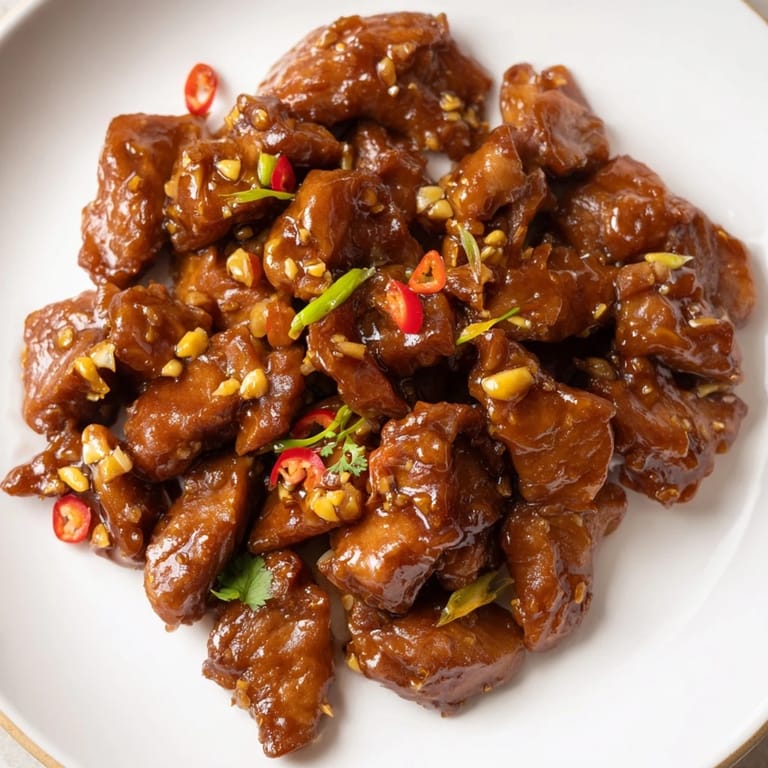
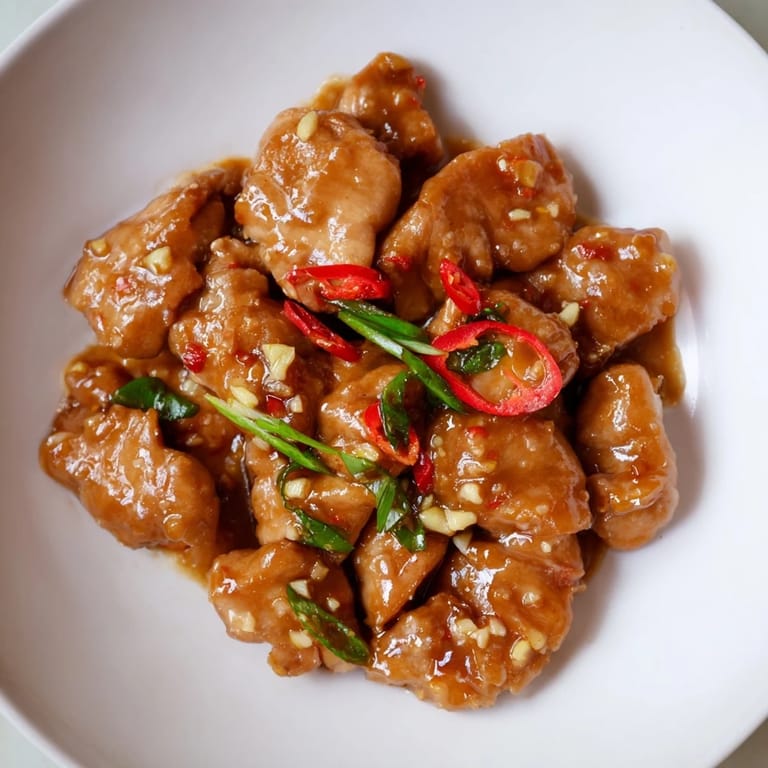
 My first attempt at Vietnamese caramel chicken happened on a humid summer evening when a friend dropped off a container of homemade fish sauce paste and challenged me to cook something worthy of it. I'd watched her mother make this dish once, years ago, and remembered mostly the smell—sweet and savory colliding in the kitchen like a small argument that somehow made perfect sense. That night, I finally understood why she loved it so much: the caramel catches the light like amber, and when you add the chicken, it hisses and transforms into something glossy and irresistible.
I made this for my partner on a weeknight when we were both tired and hungry, and somehow those few glossy spoonfuls of sauce over rice felt like the most comforting thing I could have offered. The chicken was so tender it practically melted, and we ended up using pieces of rice to catch every last drop of caramel. That's when I knew this recipe had earned a permanent spot in my cooking rotation.
Ingredients
- Boneless, skinless chicken thighs (800 g): Thighs stay juicy where breasts dry out, and they absorb the sauce beautifully—this is the secret to tender, forgiving chicken.
- Fish sauce (3 tbsp): It smells funky raw, but it dissolves into the caramel and adds an umami depth that makes people ask what your secret ingredient is.
- Light soy sauce (2 tbsp): Balances the sweetness without overpowering the fish sauce's savory notes.
- Brown sugar (2 tbsp): Adds subtle molasses undertones that granulated sugar can't match.
- Lime juice (1 tbsp): The acid cuts through richness and keeps the dish feeling fresh, not heavy.
- Garlic (2 tsp minced): Raw garlic in the marinade infuses the chicken, building flavor before cooking even begins.
- Freshly ground black pepper (1 tsp): Whole peppercorns ground fresh bring a bite that pre-ground loses over time.
- Vegetable oil (1 tbsp): Helps the caramel coat evenly and prevents sticking during the final cook.
- Granulated sugar (4 tbsp) and water (3 tbsp): The foundation of your caramel—watch it turn from clear to golden amber, and stop before it burns.
- Spring onions, red chili, and coriander: These fresh garnishes brighten the rich sauce and add textural contrast at the last moment.
Tired of Takeout? 🥡
Get 10 meals you can make faster than delivery arrives. Seriously.
One email. No spam. Unsubscribe anytime.
Instructions
- Marinate the chicken:
- Combine your chicken pieces with fish sauce, soy sauce, lime juice, garlic, and black pepper in a bowl. Let it sit for at least 15 minutes while you prep everything else—the flavors start seeping in immediately, and the chicken relaxes.
- Make the caramel:
- Heat the sugar and water in a large skillet over medium heat without stirring. Watch as the mixture transforms from bubbly white to pale gold to deep amber (about 4–5 minutes)—the color shift happens quickly at the end, so stay close. Remove from heat the moment it's a rich amber, before it tips into burnt.
- Add the chicken:
- Immediately pour the marinated chicken and all its juices into the hot caramel. Toss quickly so every piece gets coated in that glossy sweetness, and the chicken stops the caramel from darkening further.
- Cook and thicken:
- Add the vegetable oil and increase heat to medium-high. Stir occasionally as the sauce simmers and concentrates, about 8–10 minutes, until the chicken is cooked through and the glaze coats each piece with a sticky shine. The sauce should reduce to just enough to coat the back of a spoon.
- Taste and adjust:
- Once the chicken is cooked, taste it. If you need more savory depth, add fish sauce by the teaspoon; if it's too rich, squeeze in a little more lime juice.
- Serve:
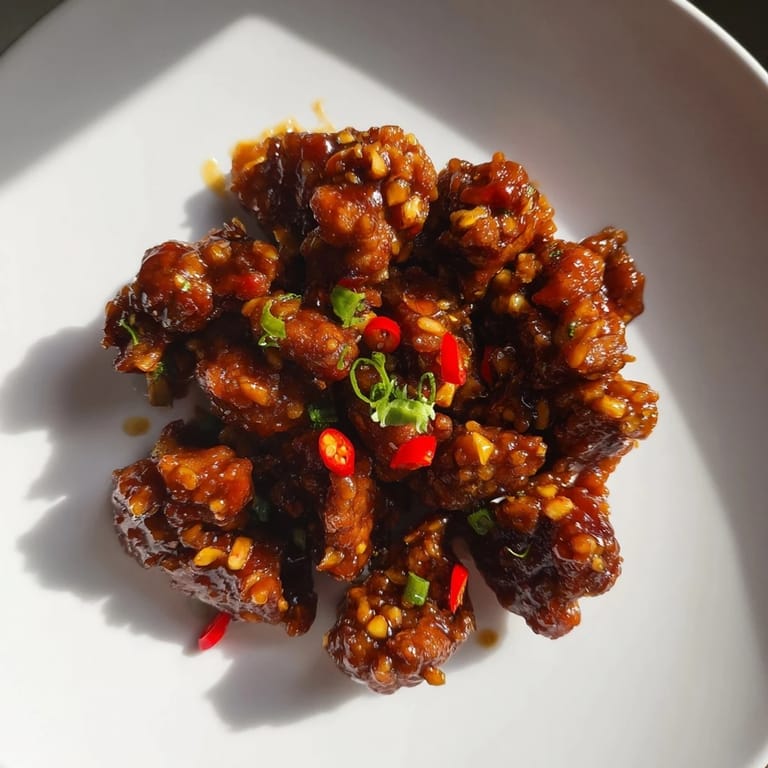
- Transfer to a plate and scatter spring onions, red chili, and fresh coriander on top. Serve immediately with steamed jasmine rice to soak up every drop of sauce.
 Save to Pinterest
 There's a moment just after you add the chicken to the caramel when it seems like everything might be ruined—the mixture looks chaotic and dark—but then you start stirring and it transforms into something elegant. That moment taught me that cooking is sometimes about trusting the process even when it doesn't look perfect yet.
Why Fish Sauce Isn't as Scary as It Smells
The first time I opened a bottle of fish sauce, I nearly gagged. It smells like low tide and regret. But fish sauce is one of those ingredients that vanishes when cooked, leaving behind only umami—that savory, mouth-filling richness that makes people say your food tastes restaurant-quality. In this dish, it melds completely with the caramel and becomes invisible, just adding depth. Once you understand that fish sauce is a supporting player, not a star, it stops being intimidating.
The Art of the Perfect Caramel
Caramel is one of those cooking moments that feels simultaneously simple and precarious. You're just heating sugar and water, but the line between perfect amber and burnt-beyond-repair is maybe 30 seconds long. The trick is patience in the beginning (let the heat do the dissolving without any help from a spoon) and vigilance at the end (keep your eyes on it and trust your nose). Once you've made a successful caramel, you'll recognize the smell—sweet, almost nutty, with a hint of bitterness that means it's ready.
Serving and Pairing Ideas
This dish sings with jasmine rice, which is subtle enough not to compete with the caramel glaze. Cold jasmine tea or a crisp white wine cuts through the richness beautifully, letting you taste each layer. I've also served it over cauliflower rice for something lighter, and the caramel sauce still makes it feel indulgent. If you want to stretch this further, pair it with quick-pickled vegetables or a simple cucumber salad on the side.
- Save the leftover sauce in a jar—it keeps for days and turns into magic poured over roasted vegetables or steamed fish.
- Leftovers reheat gently in a skillet with a splash of water, coming back to life perfectly.
- This recipe doubles easily if you're feeding more people, but watch the caramel carefully as you scale up.
 Save to Pinterest
 This Vietnamese caramel chicken reminds me that some of the best dishes come from just a few ingredients treated with respect and patience. It's the kind of meal that tastes like someone cared.
Recipe FAQs
- → What cut of chicken works best?
Boneless, skinless chicken thighs are preferred for tenderness and moisture, but chicken breast can be used for a leaner option with reduced cooking time.
- → How do I achieve the caramel sauce glaze?
Gently heat sugar and water without stirring until the sugar melts and turns a deep amber color, then quickly add the marinated chicken to coat evenly.
- → Can I adjust the spice level?
Yes, adding more fresh chili slices or chili flakes will increase the heat to your preference.
- → What side dish pairs well with this chicken?
Steamed jasmine rice complements the savory-sweet glaze perfectly, balancing the rich flavors.
- → Are there common allergens in this dish?
Yes, it contains fish (from fish sauce) and soy (from soy sauce). Those with sensitivities should check ingredient labels carefully.