 Save to Pinterest
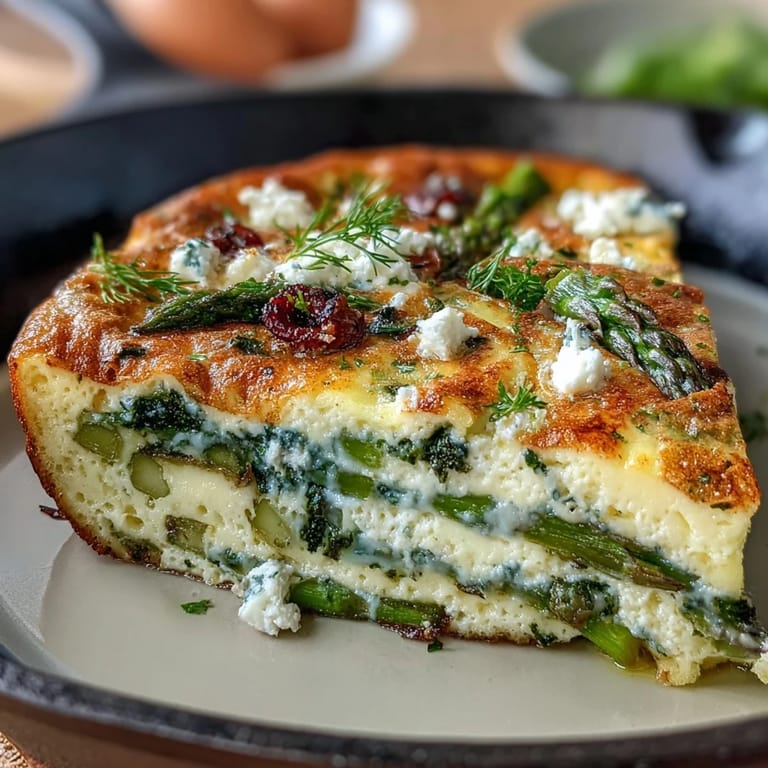
 My neighbor Marco showed up one Saturday morning with a bunch of asparagus from the farmers market, insisting I try his family's way of making frittata. I'd always thought frittatas were fussy, requiring perfect timing and a heavy hand, but watching him work, it felt almost meditative—the way he let the eggs find their own rhythm in the pan. That first bite, warm from the oven with the goat cheese still creamy and the asparagus tender but not mushy, changed how I think about weekend cooking.
I made this for my sister's baby shower brunch last April, and honestly, it became the thing people kept talking about. One guest went back for thirds, and another asked if she could take the recipe to her mother-in-law, which felt like the highest compliment. It's the kind of dish that makes you look like you've spent hours in the kitchen when really you've just understood the secret of letting good ingredients speak for themselves.
Ingredients
- Asparagus (about 200 g, cut into 2 cm pieces): Look for thin to medium spears with tight tips—they cook faster and stay tender rather than woody. Trim the woody ends by bending each spear until it naturally snaps.
- Red onion (1 small, finely chopped): The sharpness mellows as it cooks, adding sweetness that balances the earthiness of the asparagus.
- Baby spinach (1 cup or 30 g, roughly chopped): It wilts down dramatically, so don't be shy with the amount—it adds color and nutrition without any heaviness.
- Eggs (6 large): Room temperature eggs blend more smoothly and cook more evenly, creating that silky texture everyone remembers.
- Whole milk (1/4 cup or 60 ml): This keeps the frittata tender rather than rubbery; whole milk makes all the difference compared to water or cream.
- Goat cheese (100 g, crumbled): The tang is essential—don't substitute with something mild or you'll lose the brightness that makes this dish special.
- Parmesan cheese (2 tbsp grated): This adds a salty, umami note that ties everything together without overwhelming the delicate vegetables.
- Fresh chives (2 tbsp, finely sliced): They bring a gentle onion flavor and should be added half before cooking and half after for freshness.
- Fresh dill (1 tbsp, chopped, optional but worth it): If you use it, the herbaceous quality becomes the signature of your frittata.
- Salt and black pepper: Start with the amount given, then taste before serving—you may want more depending on your cheeses.
- Red pepper flakes (a pinch, optional): A tiny amount wakes up the palate and adds visual contrast.
- Olive oil (2 tbsp) and unsalted butter (1 tbsp): The combination gives you the fruity flavor of olive oil plus the richness butter brings to the finish.
Tired of Takeout? 🥡
Get 10 meals you can make faster than delivery arrives. Seriously.
One email. No spam. Unsubscribe anytime.
Instructions
- Preheat and prepare your skillet:
- Set your oven to 180°C (350°F) and grab a 25–28 cm ovenproof skillet—cast iron or nonstick both work beautifully. This head start means your frittata will bake evenly without any raw patches.
- Sauté the aromatics:
- Heat olive oil over medium heat and let the red onion soften for 2–3 minutes, stirring occasionally so it releases its sweetness without browning. You'll know it's ready when the pan starts to smell like a spring garden.
- Cook the spring vegetables:
- Add asparagus and cook for 4–5 minutes, stirring gently every minute or so, until the pieces turn bright green and a fork slides through with just a whisper of resistance. Fold in the spinach last—it needs barely a minute to collapse into silky ribbons.
- Prepare the egg mixture:
- Whisk together eggs, milk, salt, pepper, and half the chives and dill in a bowl until the eggs are completely blended and the mixture looks pale and frothy. This whisking is where the fluffiness starts, so don't rush it.
- Bring it together:
- Lower the heat to low and pour the egg mixture slowly over the vegetables, tilting the pan so it spreads evenly. Scatter goat cheese across the top in small crumbles and finish with Parmesan, which will add color and a salty crust.
- Start on the stovetop:
- Let the frittata cook undisturbed for 4–5 minutes until the edges are visibly set and opaque but the center still jiggles slightly when you tilt the pan—this is the moment you know you're on the right track.
- Finish in the oven:
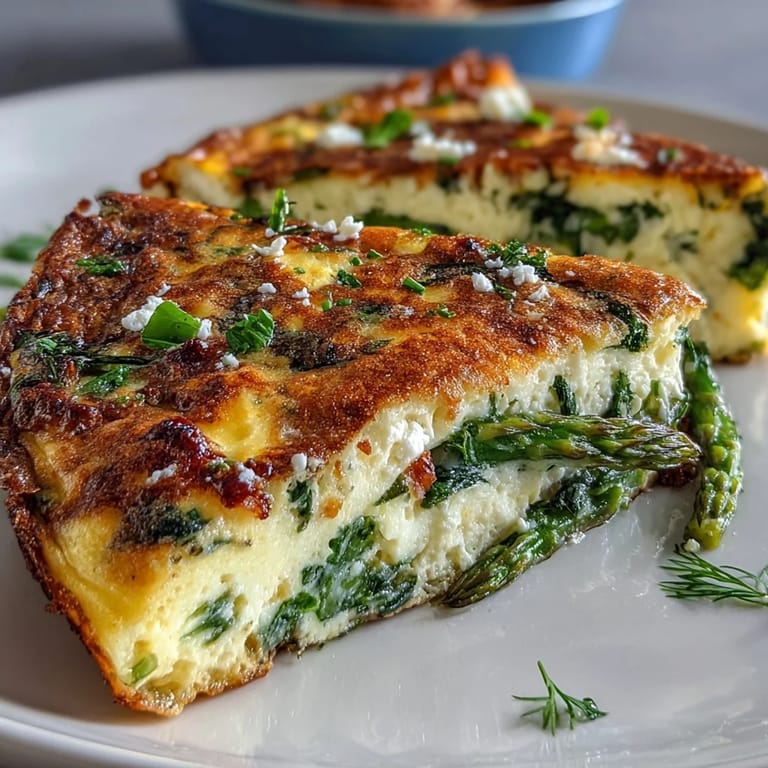
- Slide the skillet into the preheated oven for 10–12 minutes until the center is just set and the top is lightly golden. Overbaking by even a minute dries everything out, so set a timer and trust it.
- Rest and garnish:
- Let it sit for 5 minutes out of the oven—this moment lets everything relax and makes slicing so much cleaner. Top with the remaining fresh chives and dill, plus a pinch of red pepper flakes if you like that gentle heat.
- Serve with intention:
- Slice into wedges and serve warm, room temperature, or even chilled—it honestly tastes wonderful at any temperature.
 Save to Pinterest
 Last month my daughter asked if she could help make this for her school potluck, and we stood there together chopping asparagus and crumbling goat cheese. She was so careful with each step, and when we pulled it from the oven and she saw how golden it had turned, her face just lit up. That's when I realized this recipe wasn't just about feeding people—it was about those quiet moments where cooking becomes a way of saying I see you and I want to make something beautiful with you.
Why This Works for Spring
There's something about asparagus that says spring louder than almost any other vegetable. It shows up at the market for just those few weeks, and somehow eating it feels like celebrating the season turning over. This frittata captures that feeling—light enough that you don't feel weighed down on a warm morning, but substantial enough that it actually satisfies you. The fresh herbs and bright vegetables also mean you're eating something that feels alive and current, not something you'd make the same way in December.
Building Flavor Without Fussiness
The genius of a frittata is that you're not juggling multiple pans or worrying about timing five different things. The vegetables soften in one pan, the eggs cook around them, and your oven does the patient work of making everything golden and set. What makes this version special is how the goat cheese melts into creamy pockets while the Parmesan crisps slightly on top, creating texture layers that make each bite interesting. The butter in the pan adds a subtle richness that ties everything together, so even though the ingredient list looks simple, the flavor reads as thoughtfully composed.
Serving and Pairing Ideas
I've served this warm straight from the oven, at room temperature as part of a picnic spread, and even chilled the next day with a big mug of coffee. It pairs beautifully with a simple green salad dressed in lemon vinaigrette, and crusty bread on the side means people can soak up any delicious pan juices. For brunch with friends, I often make it the centerpiece and add fresh fruit, some good cheese, and a bottle of crisp white wine or sparkling rosé.
- This keeps refrigerated for up to three days, so it's actually a great make-ahead dish for busy mornings.
- You can add other spring vegetables like tender peas, sliced leeks, or fresh artichoke hearts without changing the technique.
- Try swapping the goat cheese for feta, ricotta, or even a sharp cheddar if you want to shift the flavor profile.
 Save to Pinterest
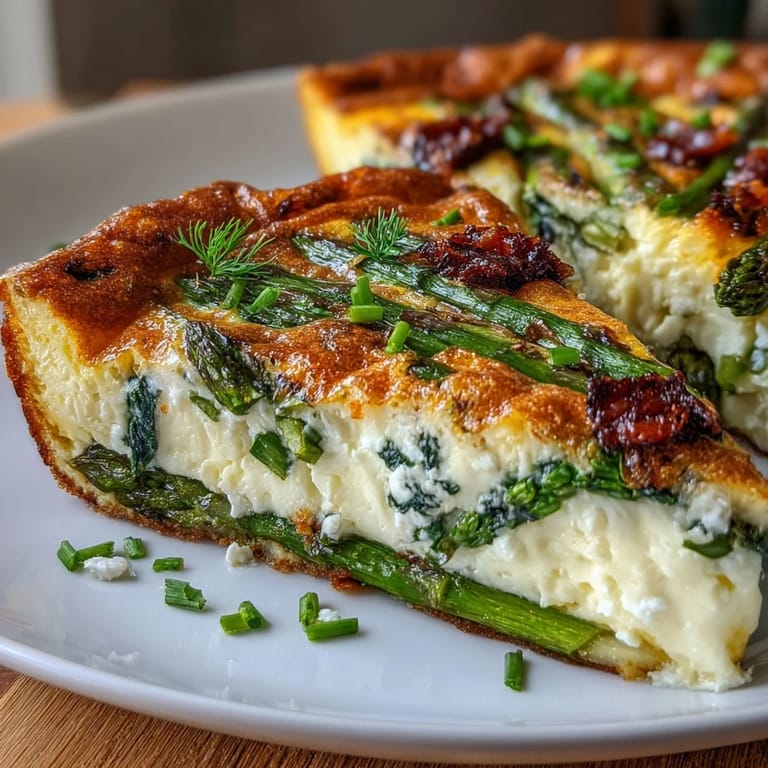
 This frittata has become my quiet answer to the question of what to make when you want to feed people something that feels special but doesn't require you to stress. There's grace in that simplicity, and I hope it becomes one of those recipes you return to again and again.
Recipe FAQs
- → Can I substitute goat cheese with other cheeses?
Yes, feta or ricotta cheese are excellent alternatives, each providing a unique flavor and creamy texture.
- → What vegetables pair well with asparagus in this dish?
Add peas or leeks to enhance the spring vegetable medley and add variety to the frittata.
- → What type of skillet is best for cooking this dish?
An ovenproof nonstick or cast iron skillet about 10–11 inches in diameter works best for even cooking and easy transfer to the oven.
- → How can I make this dish gluten-free?
This dish is naturally gluten-free as long as you verify that your dairy products contain no gluten additives.
- → What drinks complement this frittata well?
Crisp white wines or sparkling rosé pair beautifully, enhancing the fresh flavors without overpowering them.
- → Can the frittata be served warm or cold?
It can be served warm or at room temperature, making it versatile for different serving occasions.