 Save to Pinterest
 The first time I tried making miso ramen at home was on an unexpectedly rainy weeknight when takeout just felt too predictable. The smell of ginger and garlic sizzling in sesame oil cut through the quiet, and suddenly, the kitchen was a tiny ramen shop all my own. As steam wafted up from the pot, I realized how much joy comes from layering flavors right from scratch. Every ingredient had its moment and purpose, and even the mishaps—like dropping an egg—became part of the story. Sometimes, making something special doesn’t need fanfare, just focus and a bit of curiosity.
One chilly Saturday, my roommate wandered in right as I was fishing out the soft-boiled eggs, both of us laughing at how seriously I guarded the timer. We ended up slurping ramen side by side at the counter, improvising with whatever veggies we found in the fridge, and agreeing that even on a tight budget, homemade ramen could make the whole apartment feel like a treat.
Ingredients
- Low-sodium vegetable broth: Starting with a clear, gently flavored broth prevents the dish from becoming salty and allows the miso’s depth to really shine.
- White miso paste: Go gently at first and always dissolve it in hot (not boiling) liquid to keep that subtle umami sweetness vibrant.
- Soy sauce: Adds savory complexity—taste as you go, since a little more or less can totally shift the broth.
- Sesame oil: That first sizzle with ginger is unmatched, and toasting the oil lightly awakens its nutty aroma.
- Freshly grated ginger: The ginger should be sharp and juicy; it’s worth grating it instead of slicing for the best infusion.
- Garlic cloves: Mince them well so you don’t get big bites, and let them cook just long enough to mellow their punch.
- Mirin (optional): A touch of sweetness softens the salty notes and rounds out the broth—skip if you prefer your ramen more savory.
- Chili paste (optional): Just a dab wakes up the broth; add at the end if serving for guests with varying spice tolerance.
- Ramen noodles: Fresh noodles are springier, but dried work well in a pinch—either way, cook just until tender for the perfect slurp.
- Large eggs: Use fridge-cold eggs for easier peeling; timing is everything for that jammy yolk.
- Sliced shiitake or cremini mushrooms: They soak up the miso-rich broth and add a meaty texture even without any actual meat.
- Baby spinach: Toss in right at the end so it wilts but doesn’t get soggy, giving a fresh pop of color and nutrition.
- Corn kernels: A handful of sweet corn adds a nice surprise and balances the savoriness in every bite.
- Green onions: Scattered over the top, they bring a light tang and crunch that contrast the soft noodles.
- Nori strips: Cut these just before serving for the most vibrant, ocean-y flavor—let them sit on the broth to soften slightly.
- Toasted sesame seeds: Sprinkle last to keep their crunch and boost aroma right as you dive in.
Tired of Takeout? 🥡
Get 10 meals you can make faster than delivery arrives. Seriously.
One email. No spam. Unsubscribe anytime.
Instructions
- Set up your egg game:
- Bring water to a gentle boil and carefully lower in the eggs—no need to rush. Watch the timer closely, and as soon as they're ready, plunge them into cold water for the most satisfying easy peel.
- Ginger and garlic launch:
- Heat sesame oil in your biggest pot and stir in freshly grated ginger and minced garlic, breathing in that savory perfume as you go until they just begin to golden.
- Mushroom magic:
- Add in the mushrooms and cook, stirring occasionally, until they’re soft and their edges deepen in color.
- Broth-building:
- Pour in the broth, soy sauce, and mirin if you’re using. Let everything simmer gently as the flavors start to mingle and deepen.
- Miso moment:
- Ladle a bit of hot broth into a bowl and whisk with miso paste until smooth before stirring back in, keeping the broth below boiling to preserve its mellow character.
- Season and sample:
- Taste the broth, adding a little more soy sauce, miso, or chili paste to get just the kick and depth you crave.
- Noodle time:
- Cook the ramen separately according to the package, drain, and set aside so they don’t overcook in the hot broth.
- Bowl assembly:
- Divide the just-cooked noodles among your bowls and pour the steaming miso broth right over.
- Top it off:
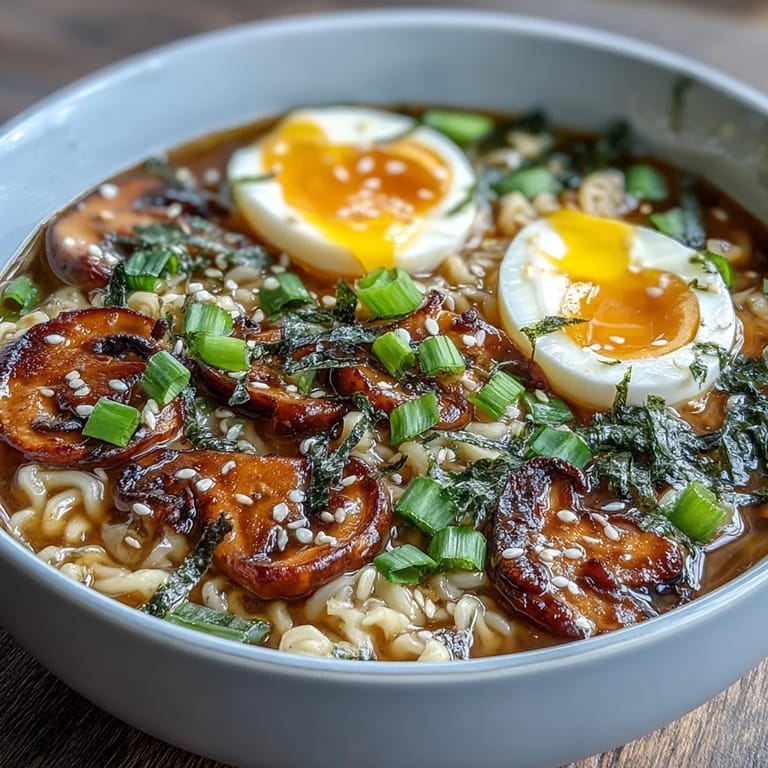
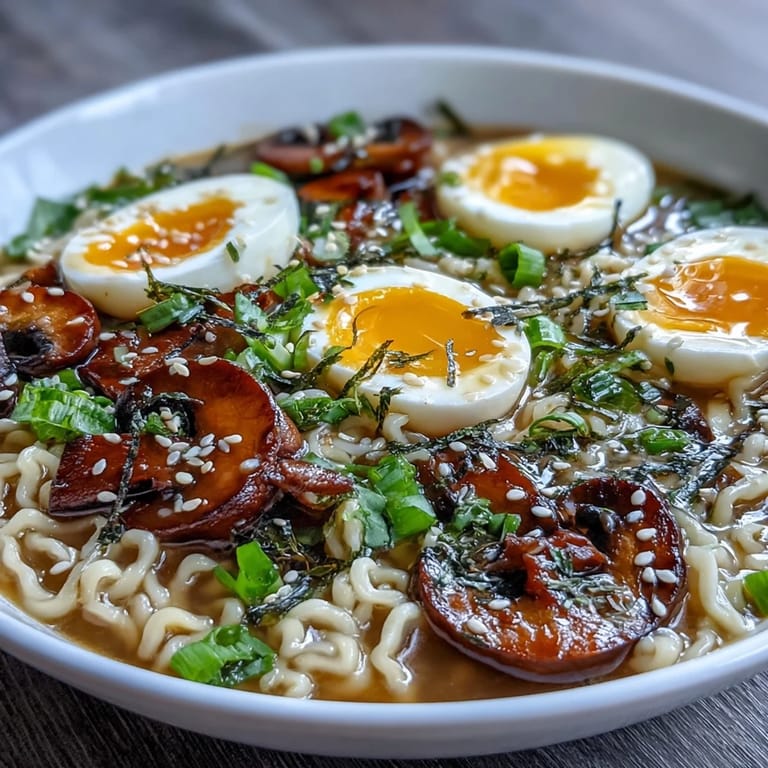
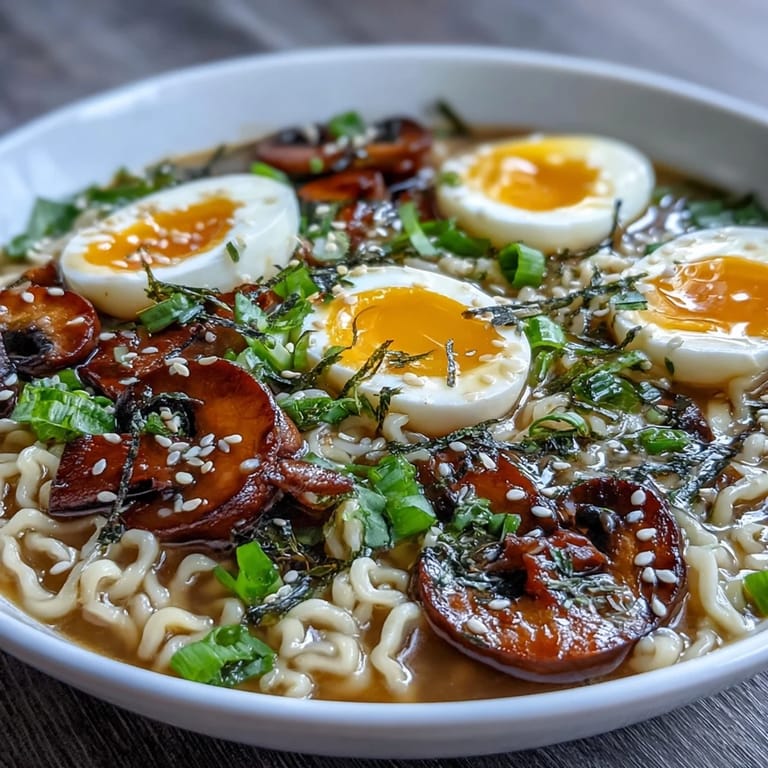
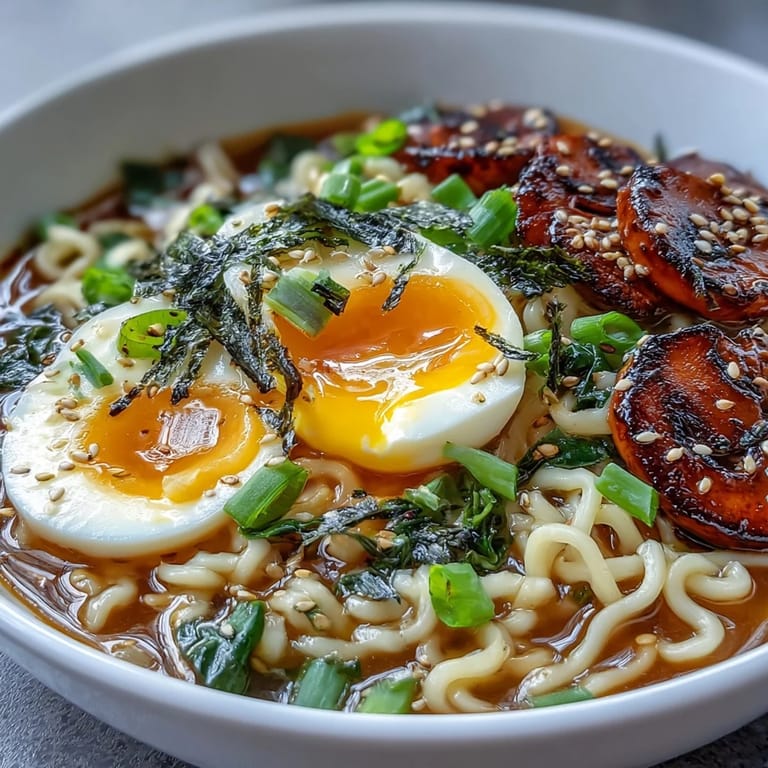
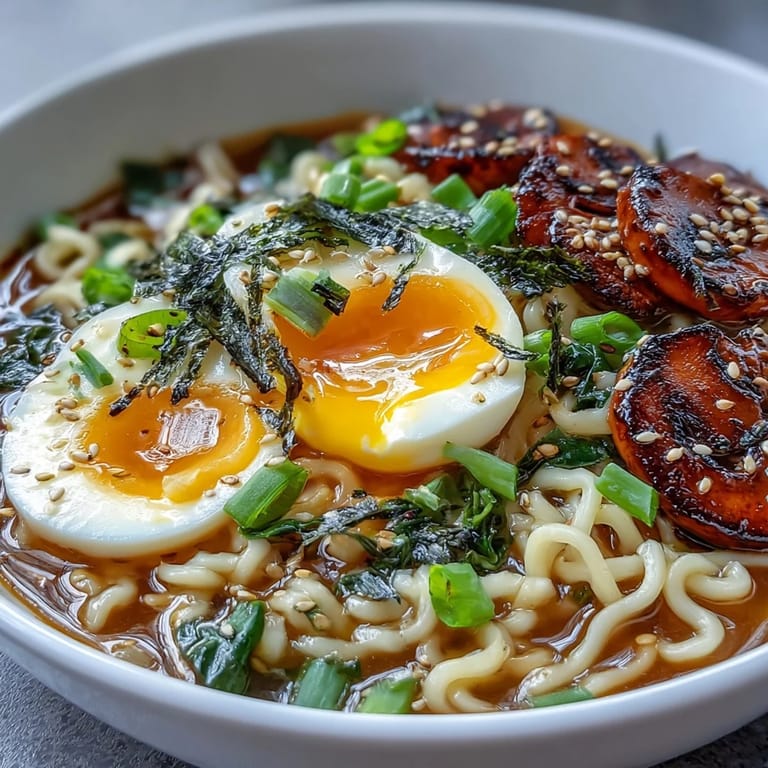
- Arrange mushrooms, spinach, corn, halved eggs, green onion, strips of nori, and a sprinkle of sesame seeds on each bowl for a rainbow of flavors and textures.
- Serve hot, serve now:
- Ramen waits for no one; call everyone over and dig in before the noodles lose their bounce.
 Save to Pinterest
  Save to Pinterest
 One night, I made a double batch for some friends who dropped by after a concert. We clustered around the steaming bowls, sharing stories and adding chili paste inch by inch until we were all grinning and sniffling, and for a minute the kitchen felt like our own little noodle bar in Tokyo.
Turning Ramen into Your Own Ritual
I've learned to keep a little lineup of extra toppings in the fridge—marinated tofu, bamboo shoots, and even pickled ginger—so I can riff on the classic base depending on the season or what I find at the market. Ramen nights have become my reset button after busy days, with each combination changing the mood and flavor just enough to keep it fun.
Troubleshooting the Broth
If the broth tastes flat, don’t reach for salt right away—a splash more soy sauce or a teaspoon of mirin often adds the depth or brightness you’re missing. And if things get too salty, a handful of extra noodles or corn can bring it back into balance. The best ramen broths are always the ones you taste, tweak, and trust your senses with until it’s perfect for you.
Speeding Things Up on Busy Nights
Some days, shortcuts save the meal: I’ll pre-chop garlic and ginger or boil the eggs in advance, and buy pre-sliced mushrooms to save a few precious minutes. Even with these cheats, the homemade miso keeps the dish honest and soothing.
- Keep the miso out until just before serving, so you can adjust for last minute saltiness.
- Frozen corn and spinach work just as well, adding a little more sweetness or color without fuss.
- Warm the serving bowls with some broth first—the noodles stay springier longer that way.
 Save to Pinterest
  Save to Pinterest
 Ramen night has become my favorite excuse to pause, improvise, and savor every slurp. However you riff on this bowl, I hope it becomes a staple in your kitchen too.
Recipe FAQs
- → Can this be made vegetarian or vegan?
Yes. Use low-sodium vegetable broth and omit eggs for a vegan option. Swap any non-vegan noodles for plant-based varieties and add tofu or extra vegetables for protein and texture.
- → How do I keep the miso flavor bright?
Whisk miso into a small amount of hot broth off the heat before adding back to the pot. Avoid boiling miso directly to preserve its delicate umami and aroma.
- → How long should I cook the soft-boiled eggs?
Gently simmer eggs for about 7 minutes for a jammy yolk. Transfer to cold water immediately, peel carefully, and halve to top the bowls.
- → How can I make the noodles springy?
Cook fresh or dried ramen according to package timing and drain well. Rinse briefly under hot water only if they begin to clump, and finish in the hot broth just before serving to revive springiness.
- → What are good add-ins for extra texture?
Try sliced tofu, bean sprouts, bamboo shoots, or blanched greens. Toasted sesame seeds and nori strips add contrasting crunch and savory notes.
- → How should leftovers be stored and reheated?
Store broth and noodles separately in airtight containers in the fridge for up to 3 days. Reheat broth gently on the stove and warm noodles briefly in hot water or the microwave before assembling.