 Save to Pinterest
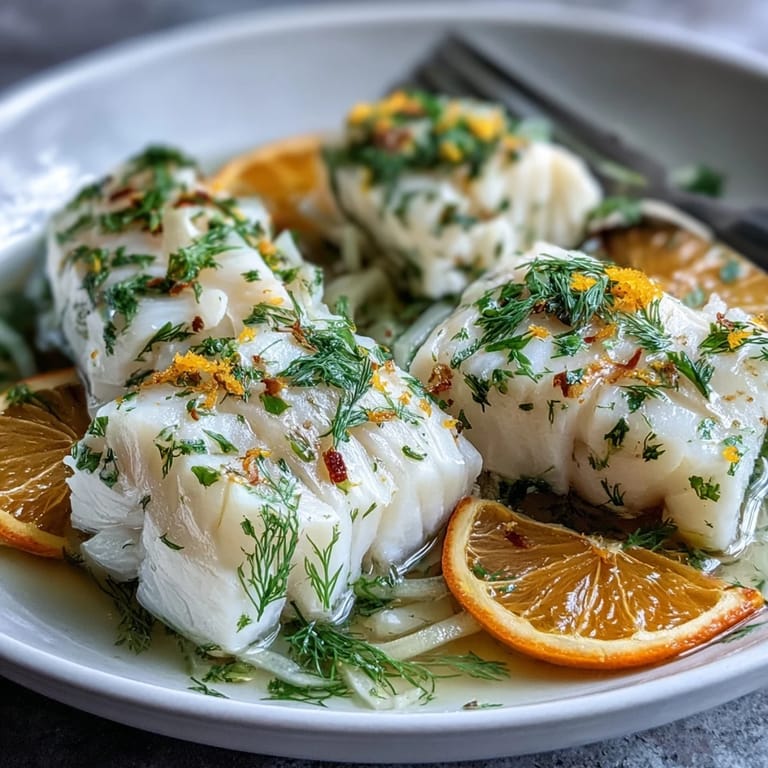
 There's something almost meditative about watching cod fillets turn from translucent to opaque in a shimmering broth, the kitchen filling with the scent of orange and fennel like you've accidentally stumbled into a Mediterranean seaside kitchen. My sister called one evening asking what I was making, and when I described this dish, she showed up within the hour with fresh fennel from her farmers market run. We ended up cooking it together, laughing at how the orange zest kept flying everywhere, and by the time we sat down, we both knew this was becoming a regular rotation in our homes.
I made this for my parents during a winter visit when my mom was trying to eat lighter, and watching my dad—who normally loads his plate with heavy sauces—ask for seconds was its own kind of victory. The fennel had softened to almost nothing, the orange had infused everything with this subtle brightness, and somehow it felt like the most generous dish despite being the least heavy thing on the table.
Ingredients
- Fresh cod fillets: Look for fillets that are firm with a slightly translucent sheen, ideally from the fishmonger rather than the pre-packaged case, since they'll poach more evenly and stay moister.
- Fennel bulb: That slight licorice note is the backbone here—slice it thin so it releases its sweetness into the broth as it cooks.
- Orange: Use a firm orange you can zest properly, and don't skip the zest in the liquid itself, it's where the real flavor lives.
- Shallot and garlic: Keep them in big pieces so they flavor the broth without overwhelming it.
- Dry white wine: Something you'd actually drink; it's not just there to cook off, it's part of the taste.
- Fish or vegetable stock: Low-sodium lets the other flavors shine, and honestly, a good quality stock makes the entire difference here.
- Extra virgin olive oil: This finishes everything, so use one you like the taste of.
Tired of Takeout? 🥡
Get 10 meals you can make faster than delivery arrives. Seriously.
One email. No spam. Unsubscribe anytime.
Instructions
- Wake up your aromatics:
- Heat the oil in your skillet over medium heat and let the fennel, shallot, and garlic soften for a few minutes, stirring occasionally so they release their sweetness without browning. You'll notice the kitchen starting to smell incredible almost immediately.
- Build your poaching liquid:
- Add the orange slices, zest, bay leaf, wine, and stock, then let everything come to a gentle simmer where little bubbles are just barely breaking the surface. Taste it at this point—it should taste bright and a little savory, like you want to drink it on its own.
- Nestle in the fish:
- Pat the cod fillets dry, season them lightly with salt and pepper, then arrange them in the simmering liquid in a single layer so they're mostly submerged. They should look peaceful, not crowded.
- The gentle poach:
- Turn the heat to low, cover the skillet, and resist the urge to peek constantly—just let them sit undisturbed for 8 to 10 minutes until the fillets are opaque and flake when you touch them with a fork. The magic is in the patience here, not the temperature.
- Plate with intention:
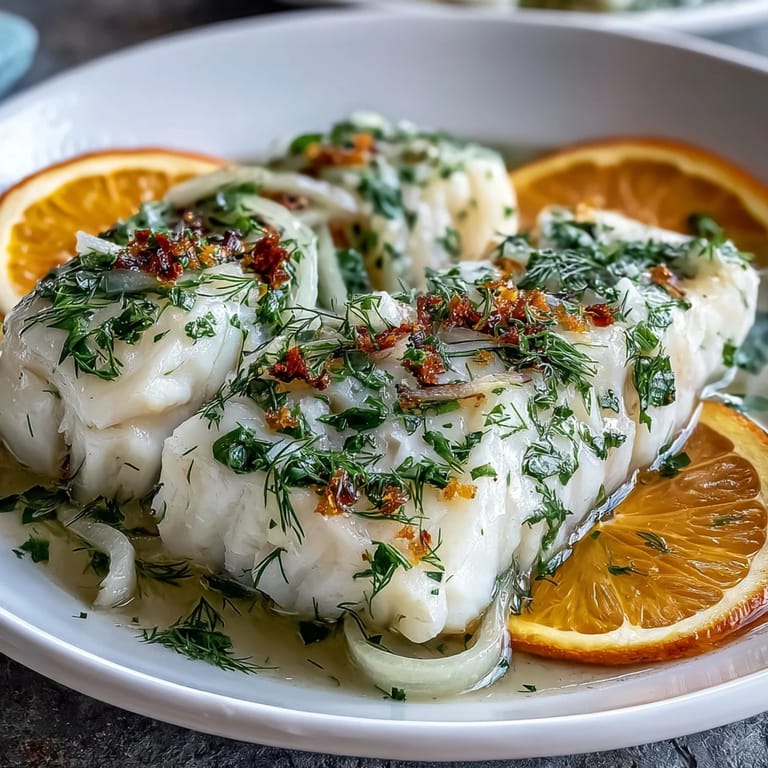
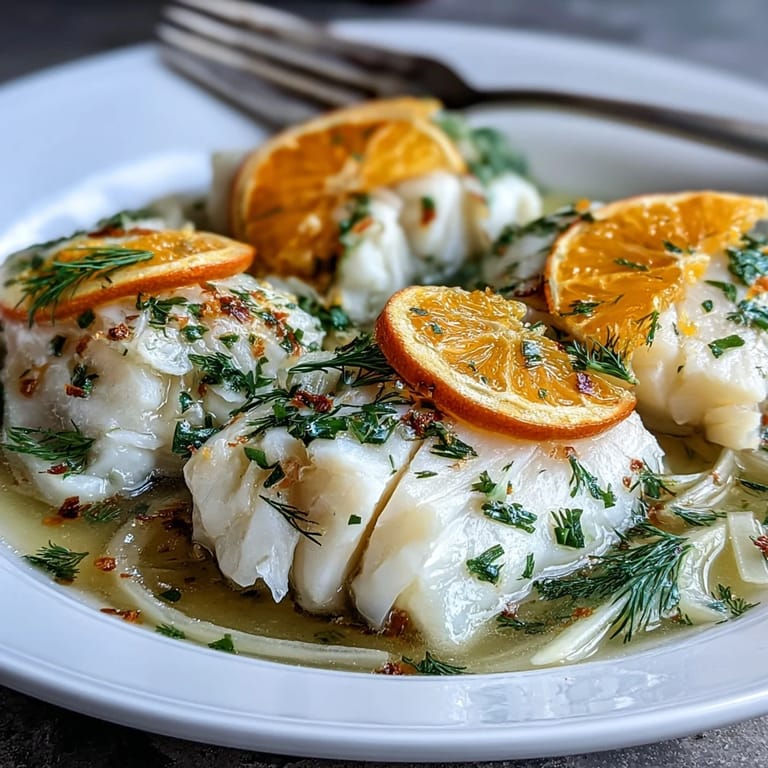
- Using a slotted spatula (not tongs, which will break the delicate fish), transfer each fillet and some fennel to a warm plate, then spoon a generous amount of the poaching liquid and orange slices over the top. This isn't just serving, it's presenting the whole story.
- Finish and serve:
- Scatter the reserved fennel fronds across the top, add a final shower of orange zest, crack some fresh black pepper over everything, and bring it to the table while the broth is still steaming. Serve immediately with crusty bread or potatoes.
 Save to Pinterest
 The first time I made this for someone who'd just come back from a health scare, watching them actually enjoy eating felt like the whole point of cooking in the first place. There's something about a dish that tastes bright and alive and nourishing all at once that goes beyond nutrition facts.
What Makes This Different From Other Poached Fish
Most poached fish recipes feel like they're trying to hide something—they pile on cream or butter to make up for flavor that got lost in the cooking. This one goes the opposite direction, building flavor into the liquid itself so the fish doesn't need rescuing. The fennel and orange are doing real work here, not just sitting on the side like garnish.
Why Poaching Matters
Poaching is basically steaming the fish in a flavorful broth instead of plain water or steam, which means the fish absorbs all those bright, subtle flavors as it cooks instead of losing them. It's gentle enough that the delicate flesh stays intact and tender, the way fish is supposed to taste when you actually treat it with respect.
Variations and Swaps You Can Make
This method works beautifully with halibut, haddock, or sea bass if cod isn't available, and honestly you could swap the orange for lemon if that's your preference. Some nights I add a splash of Pernod or a few thyme sprigs to the liquid just to shift the mood slightly, and it's never the same dish twice.
- Try adding fresh tarragon or dill to the poaching liquid for an entirely different flavor profile.
- Thinly sliced leeks can replace the fennel if you want something milder and sweeter.
- Serve with crusty bread to soak up the broth, or steamed fingerling potatoes if you want something more substantial.
 Save to Pinterest
 This is the kind of meal that reminds you why people love cooking in the first place—minimal fuss, maximum flavor, and the feeling that you've done something genuinely good. Serve it to someone you care about and watch their face light up.
Recipe FAQs
- → What type of fish works best for poaching?
White, mild-flavored fish like cod, halibut, haddock, or sea bass work beautifully for poaching. These firm yet delicate fillets hold their shape well while absorbing the aromatic flavors of the poaching liquid.
- → Can I prepare this dish ahead of time?
Yes, you can prepare the poaching liquid and vegetables up to a day in advance. Store them refrigerated, then gently reheat before adding the fresh cod fillets. The fish is best cooked just before serving for optimal texture.
- → What sides pair well with poached cod?
Steamed potatoes, crusty bread, or rice work perfectly for soaking up the flavorful broth. A simple green salad with lemon vinaigrette or roasted vegetables like asparagus and cherry tomatoes complement the bright Mediterranean flavors.
- → How do I know when the cod is perfectly cooked?
The cod is done when it becomes opaque throughout and flakes easily with a fork. Gently press the thickest part of the fillet—it should separate into natural flakes without resistance. Avoid overcooking to maintain the delicate texture.
- → Can I make this dish dairy-free and gluten-free?
Absolutely. This dish is naturally gluten-free and dairy-free. Just ensure your stock and wine are certified gluten-free if needed. The entire preparation relies on olive oil rather than butter or cream.
- → What can I use instead of white wine?
For a non-alcoholic version, replace the wine with additional fish or vegetable stock. You can add a splash of white wine vinegar or lemon juice to maintain the bright acidity that balances the sweet fennel and orange.