 Save to Pinterest
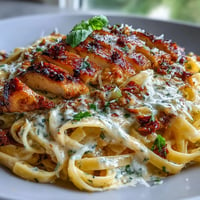
 I stumbled on this dish after a dinner party where I'd made lemon posset and had leftover zest and sugar sitting on the counter. My friend challenged me to work dessert flavor into dinner, and I grabbed the kitchen torch without thinking twice. The chicken crackled under the flame, releasing this sweet-citrus perfume that made everyone lean in closer. It felt a little reckless and a lot delicious, and I've been making it ever since.
The first time I served this to my sister, she stopped mid-bite and asked if I'd accidentally plated dessert. The hint of sweetness from the chicken paired with the tangy cream sauce confused her taste buds in the best way. She went back for seconds before I'd even finished mine, scraping her plate with a piece of bread and muttering something about needing the recipe immediately.
Ingredients
- Boneless, skinless chicken breasts: These take to the torch beautifully, but make sure they're dry before you season them or the sugar won't caramelize properly.
- Granulated sugar: The key to that crisp brûléed crust, it melts fast and turns golden in seconds under direct heat.
- Lemon zest and juice: Use fresh lemons only, the bottled stuff tastes flat and won't give you that vibrant punch.
- Heavy cream: This makes the sauce silky and rich, tempering the brightness of the lemon without dulling it.
- Parmigiano-Reggiano: Real Parm melts smoother and tastes nuttier than pre-grated cheese, worth the extra few minutes of grating.
- Linguine or spaghetti: Long noodles catch the sauce better, and I always cook them a minute under to finish them in the pan.
Tired of Takeout? 🥡
Get 10 meals you can make faster than delivery arrives. Seriously.
One email. No spam. Unsubscribe anytime.
Instructions
- Season and Sear the Chicken:
- Pat the chicken completely dry, then rub it with salt, pepper, and lemon zest before heating your skillet. Sear each side until golden and nearly cooked through, about four to five minutes per side, listening for that sizzle that means the pan is hot enough.
- Brûlée the Sugar:
- Sprinkle a tablespoon of sugar over each breast and wave the torch in slow circles until it bubbles and turns amber. If you're using the broiler instead, watch it like a hawk because it goes from perfect to burnt in seconds.
- Boil the Pasta:
- Salt your water generously, it should taste like the sea. Cook the pasta just until al dente, then scoop out half a cup of that starchy water before draining.
- Build the Sauce:
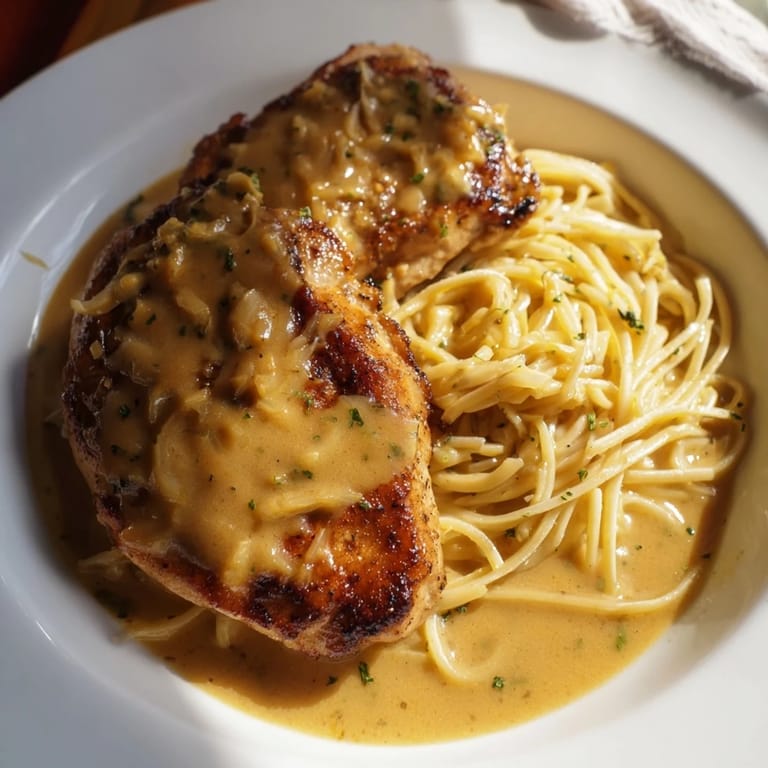
- Melt butter and oil together, then add garlic and let it bloom without browning. Stir in lemon zest, juice, and cream, letting it simmer gently before whisking in the cheese until the sauce turns glossy and clings to your spoon.
- Toss and Plate:
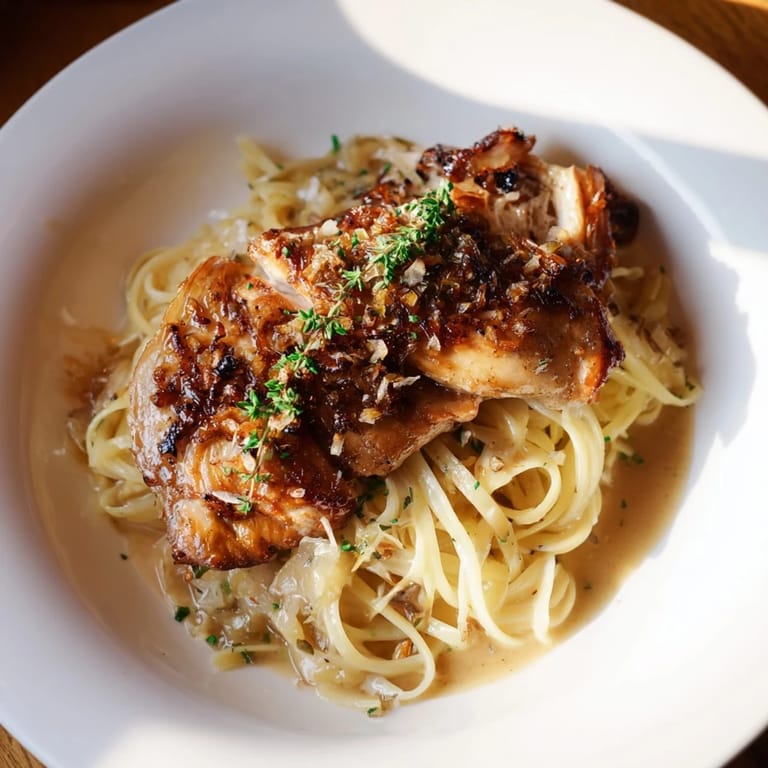
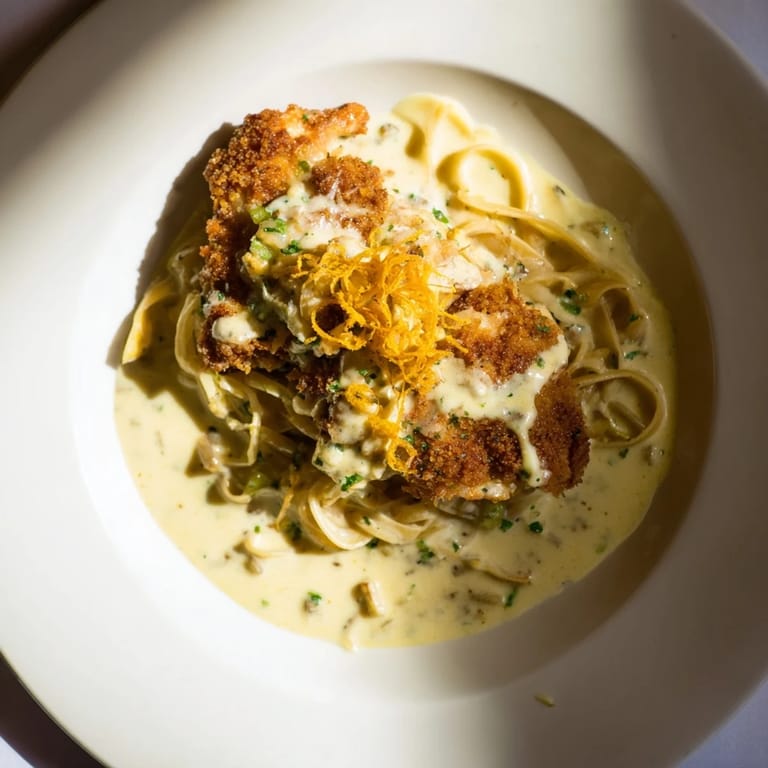
- Add the drained pasta to the sauce and toss with tongs, adding splashes of pasta water until everything looks creamy and cohesive. Slice the chicken thinly, fan it over each plate of pasta, and finish with extra zest and parsley.
 Save to Pinterest
 There was a rainy Tuesday when I made this alone, no one to impress, just me and a craving for something that tasted like effort. I torched the chicken, twirled the pasta, and ate it straight from the pan with a glass of cold white wine. It reminded me that cooking for yourself can feel just as special as cooking for a crowd, maybe even more so.
Choosing Your Pasta Shape
Long noodles work best here because they wrap around the sauce and pick up bits of garlic and zest with every forkful. I've tried penne once and it was fine, but it didn't have the same elegant twirl. If you want something different, try fresh tagliatelle, it soaks up cream like a dream and cooks in half the time.
Using a Broiler Instead of a Torch
If you don't own a kitchen torch, preheat your broiler on high and place the sugared chicken on a baking sheet about four inches from the heat. Keep the oven door cracked and don't walk away, it caramelizes fast and can tip into burnt before you realize. I learned this the hard way after charring my first attempt into something that looked like charcoal.
Serving and Pairing Ideas
This dish shines alongside a simple arugula salad dressed with olive oil and a squeeze of lemon, the peppery greens balance the richness perfectly. I've also served it with roasted asparagus or blistered green beans when I want something warm on the side.
- Pour a crisp Sauvignon Blanc or Pinot Grigio to echo the citrus notes.
- Finish with toasted pine nuts or lemony breadcrumbs for extra texture.
- Leftovers reheat surprisingly well if you add a splash of cream to loosen the sauce.
 Save to Pinterest
 This recipe taught me that borrowing ideas from dessert doesn't make dinner any less serious, it just makes it more interesting. I hope it surprises you the same way it surprised me.
Recipe FAQs
- → How do I achieve the caramelized lemon crust on the chicken?
Pat the chicken dry and season with lemon zest, salt, and pepper. After searing, sprinkle granulated sugar on top and use a kitchen torch or broiler to caramelize until golden and crisp.
- → Can I substitute the pasta with a gluten-free option?
Yes, gluten-free pasta can be used to accommodate dietary needs without compromising the dish's flavor or texture.
- → What is the purpose of reserving pasta water?
Reserved pasta water, rich in starch, helps loosen and bind the sauce to the pasta, creating a smooth, silky consistency.
- → How can I add more texture to the dish?
For added crunch, consider sprinkling toasted pine nuts or breadcrumbs on top before serving.
- → Is there a way to make the sauce tangier?
Replacing heavy cream with crème fraîche adds a pleasant tang and enhances the citrus brightness in the sauce.