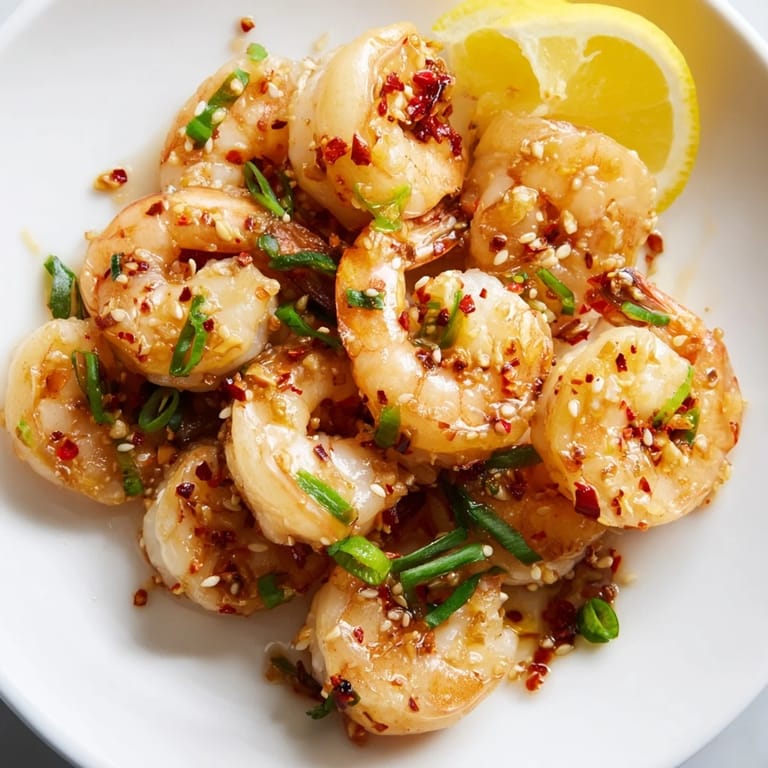
 Save to Pinterest
 I discovered this dish on a random Tuesday night when my Korean neighbor brought over a small container of homemade garlic butter shrimp, and I literally couldn't stop eating it straight from the container like someone with no manners. The combination of butter melting into gochugaru heat was so unexpectedly perfect that I immediately asked for her method, and she laughed and said it was something her grandmother simplified for busy weeknights. Now whenever I make it, I think about how the best recipes often come from people who refuse to complicate things, and this one proves that point beautifully.
I made this for a dinner party once and watched my friend Sarah's face light up the moment that garlic-chili butter hit her tongue—she actually closed her eyes like she was in a moment of private joy. Someone asked for the recipe before dessert even came out, and I realized that's when you know a dish is genuinely special, when people stop mid-conversation to ask about it.
Ingredients
- Large shrimp: Pat them dry before cooking—this is the secret that gives you that slight sear instead of steam, and it makes all the difference in texture.
- Unsalted butter: Let it melt slowly so you can hear it just starting to foam; that's your signal the pan is ready.
- Garlic: Mince it fresh and watch it carefully in the butter for exactly one minute—you want fragrant and golden, never brown and bitter.
- Gochugaru: This Korean chili flake has a fruity heat that's different from regular red pepper flakes, and it's worth seeking out for the authentic flavor it brings.
- Soy sauce: The umami anchor that deepens everything; use gluten-free tamari if you need to.
- Honey: Just a tablespoon rounds out the spice and adds a subtle sweetness that makes people wonder what your secret ingredient is.
- Sesame oil: A small amount goes a long way and adds that toasted, nutty finishing touch.
- Scallions and sesame seeds: These aren't just garnish—they add crunch and brightness that make you want another bite.
Tired of Takeout? 🥡
Get 10 meals you can make faster than delivery arrives. Seriously.
One email. No spam. Unsubscribe anytime.
Instructions
- Prepare your shrimp:
- Pat them completely dry with paper towels—any moisture will create steam instead of that beautiful golden sear. Set them aside and take a breath; everything after this moves quickly.
- Start the butter:
- Melt it over medium heat in your large skillet, letting it foam gently as it comes to life. You'll smell when it's ready, that rich, toasted butter aroma.
- Wake up the garlic:
- Add your minced garlic and stir constantly for one full minute until it's fragrant and just barely golden. This is not the time to multitask or check your phone.
- Build the sauce:
- Stir in the gochugaru, soy sauce, honey, and sesame oil all at once, letting them meld for about 30 seconds. You're creating the base that will cling to every shrimp.
- Cook the shrimp:
- Add them in a single layer and resist the urge to touch them for 2–3 minutes on the first side—let them develop that slight crust. Flip and cook the other side until they're pink and opaque, which takes another 2–3 minutes.
- Coat and finish:
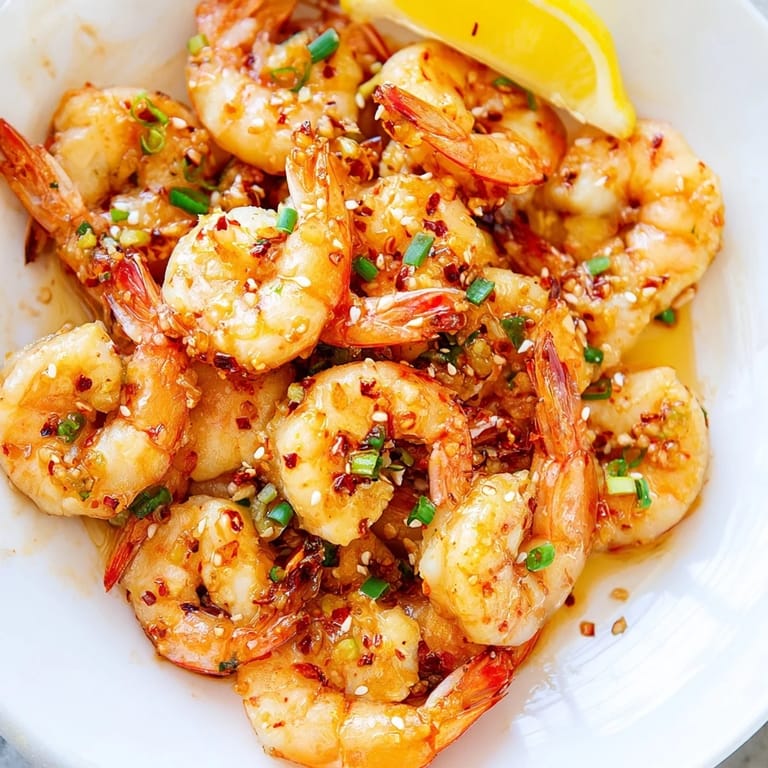
- Toss the shrimp gently to coat them in all that sauce, then pull from heat immediately. Remove to your serving platter and crown them with scallions and sesame seeds while everything is still warm.
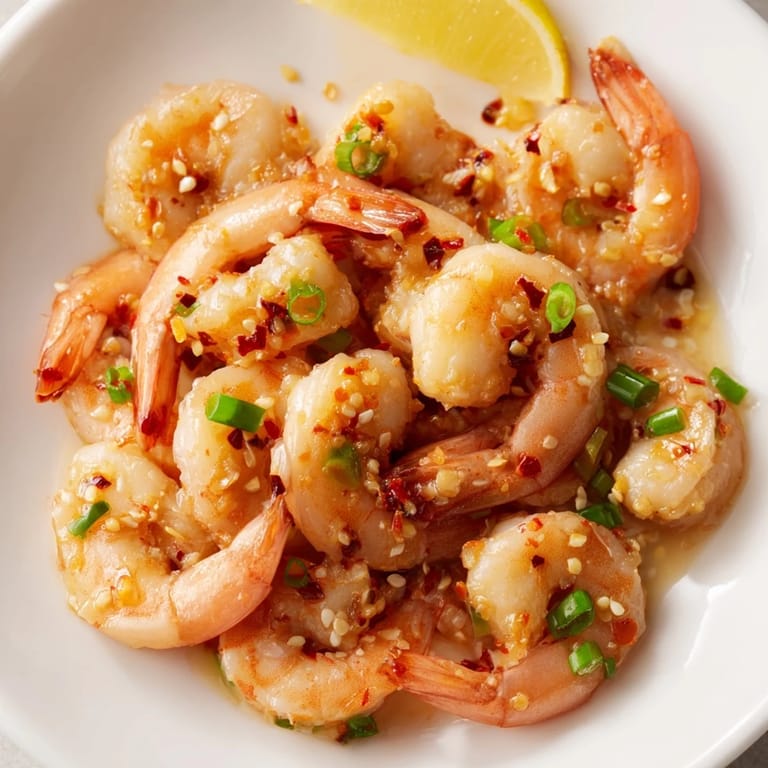 Save to Pinterest
 This dish became a comfort thing for me on nights when I wanted something that felt indulgent but didn't require hours of planning. There's something grounding about standing at a hot pan for eight minutes, watching shrimp transform from gray to coral pink, knowing that what you're making will actually taste good.
Why This Sauce Works
The magic of Korean garlic butter isn't in any single ingredient—it's in how they talk to each other. The honey softens the aggressive heat from the gochugaru, while soy sauce adds depth and sesame oil brings a warm, toasted finish that makes you forget you're eating something this simple. Every element has a job, and none of them are trying too hard.
Serving Ideas That Actually Work
I've served these as an appetizer on toothpicks, over steamed rice as a main course, and tossed through noodles as a quick stir-fry situation. My favorite pairing is honestly just crusty bread and a cold beer, because that sauce is too good to waste, and bread is the only socially acceptable way to get every last drop without looking desperate.
Making It Your Own
This recipe is flexible in the best way—it's a foundation that welcomes your personal touch. Add more gochugaru if heat is your love language, or a pinch of brown sugar instead of honey if you want earthier sweetness. Some people add a splash of white wine to the sauce, others finish with fresh lime juice, and honestly all of those options are correct.
- Double the garlic if you're cooking for people who think garlic is a vegetable group all by itself.
- Keep your pan and all ingredients nearby before you start cooking because this moves fast and you won't have time to dig through your spice cabinet.
- Taste the sauce on a shrimp before plating—adjust the heat or sweetness in those last 30 seconds if something feels off.
 Save to Pinterest
 This is the kind of dish that reminds you why cooking matters—not for impressing anyone, but for the quiet satisfaction of creating something delicious in your own kitchen. Twenty minutes from raw ingredients to something that tastes like love and garlic butter.
Recipe FAQs
- → What type of shrimp works best for this dish?
Large peeled and deveined shrimp are ideal for even cooking and a satisfying texture in this preparation.
- → How can I adjust the spiciness level?
Modify the amount of Korean chili flakes or add red pepper flakes to increase heat according to your preference.
- → Can I substitute any ingredients for dietary needs?
Use dairy-free butter alternatives to keep it lactose-free and gluten-free soy sauce to maintain the dish’s dietary balance.
- → What sides complement this shrimp preparation?
Steamed rice, noodles, or a crisp white wine such as Sauvignon Blanc pair well with the bold flavors.
- → How long does the cooking process take?
The entire process from prep to finish takes about 18 minutes, making it ideal for a quick meal.