 Save to Pinterest
 There's a quiet magic in how a pot of leeks and potatoes transforms into something that tastes like comfort itself. I discovered this soup on a grey afternoon when I was cleaning out the vegetable drawer and found leeks I'd almost forgotten about, their white parts still firm and promising. Something about the way they softened in butter made me pause and really pay attention—that buttery sweetness seemed like the beginning of something worth pursuing. Before I knew it, I'd built an entire soup around that moment, and it became the dish I make when I want to feel like I'm cooking something both simple and deeply satisfying.
I made this soup for my neighbor on a Sunday morning after she'd mentioned feeling under the weather, and I'll never forget how she opened her door, smelled it, and just smiled without saying anything. Her whole face softened. We sat at her kitchen table, bowls steaming between us, and talked about nothing important while the soup did what it does best—made us both feel seen and taken care of. That's when I understood this recipe isn't really about potatoes and leeks at all.
Ingredients
- Unsalted butter and olive oil: The butter brings richness and a subtle sweetness to the leeks, while the olive oil prevents burning and adds its own gentle flavor—this combination is non-negotiable if you want that golden, buttery foundation.
- Leeks: Make sure you clean them thoroughly by slicing them lengthwise and rinsing between the layers where soil hides; they're milder and sweeter than onions, which is why they're the star here.
- Yukon Gold potatoes: These waxy potatoes hold their shape and create a naturally creamy texture without needing excessive blending—regular russets will work but tend to break down into mush faster.
- Vegetable or chicken broth: Use low-sodium broth so you control the salt and the flavors don't become too aggressive; good broth is the quiet backbone of this entire soup.
- Whole milk or cream: Whole milk keeps it lighter while cream makes it luxurious—I've done both depending on my mood, and honestly, the whole milk version lets the leek flavor shine through more.
- Bay leaf and fresh thyme: These aren't just garnish thoughts; they infuse the broth with subtle herbaceous notes that make people ask what your secret is.
Tired of Takeout? 🥡
Get 10 meals you can make faster than delivery arrives. Seriously.
One email. No spam. Unsubscribe anytime.
Instructions
- Warm the fat and start with leeks:
- Heat butter and olive oil together over medium heat until the butter foams and smells toasty. Add your sliced leeks and diced onion, then watch them soften and turn translucent over 5 to 6 minutes—you're not trying to brown them, just coax out their sweetness.
- Build the aromatics:
- Once the leeks are soft, add garlic and celery and let them perfume the pot for about 2 minutes until the smell makes you close your eyes for a second and breathe it in.
- Add potatoes and liquid:
- Stir in your diced potatoes, bay leaf, thyme, salt, and pepper, then pour in the broth and bring everything to a boil. This is the moment where potential becomes something real.
- Simmer until tender:
- Lower the heat, cover the pot, and let it bubble gently for 20 to 25 minutes until the potatoes are so tender they almost fall apart when you poke them. You're building flavor through time and steam.
- Blend to your texture:
- Fish out the bay leaf, then use an immersion blender to purée the soup into smoothness, or leave it slightly chunky if that's what your mood calls for. I usually do somewhere in between—some texture keeps it interesting.
- Finish with milk and heat through:
- Stir in your milk or cream and gently reheat without boiling, tasting as you go and adjusting salt and pepper until it tastes like home. This step is where the soup becomes complete.
- Optional protein finishing:
- If you're adding seafood, fold it in gently and let it warm through for 2 to 3 minutes so it stays tender. For bacon, it's better sprinkled on top just before serving so it stays crispy.
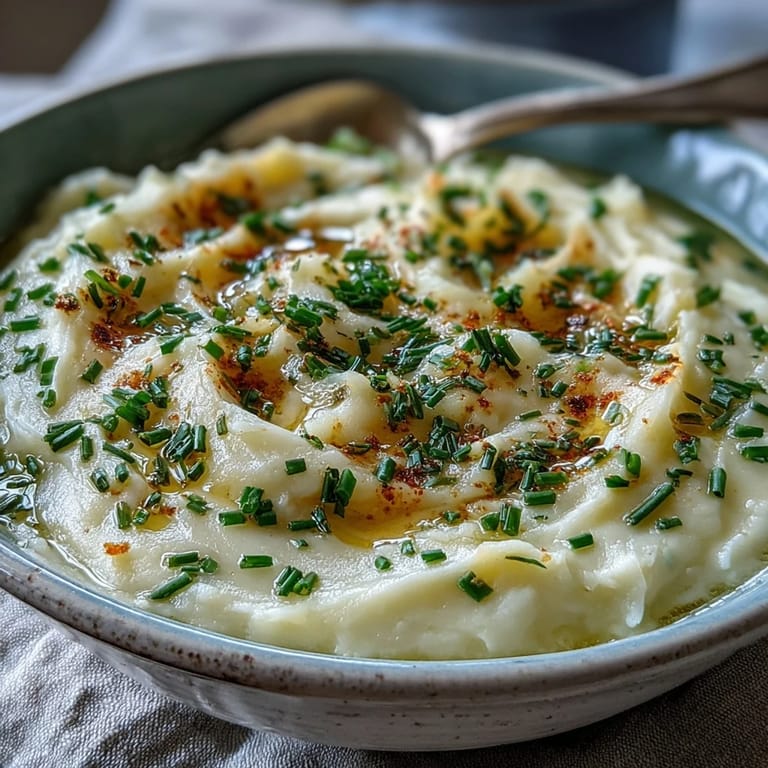 Save to Pinterest
 This soup has a way of becoming your go-to in moments when you need something that tastes intentional but doesn't demand too much of you. I've made it on weekday evenings when I'm tired, on weekends when friends drop by unexpectedly, and on cold mornings just because the feeling of holding a warm bowl seemed necessary. It never disappoints, and it's taught me that sometimes the most elegant dishes are just vegetables, patience, and butter doing what they do best.
The Versatility That Makes It Worth Learning
What surprised me most about this recipe is how it bends to your circumstances without losing its soul. The base is vegetarian and delicate, but it's also a canvas that welcomes additions without complaint. I've folded in everything from roasted mushrooms to sautéed spinach, topped it with crispy sage leaves, swirled in truffle oil, or simply let it be what it is. The soup doesn't feel threatened by your creativity—it actually seems to celebrate it.
When Texture Matters More Than Temperature
One of the quiet lessons this soup taught me is that texture is flavor's best friend. A completely smooth soup is silky and refined, but one with a little potato chunk still visible, a piece of leek that hasn't fully dissolved—that's the one people remember. It's the difference between something technically perfect and something that feels alive. The blending choice you make is about what experience you want to give someone, not about right or wrong.
Elevations and Everyday Versions
I keep this soup in two versions in my mind: the weeknight simplicity and the weekend elevation. For weeknights, it's just the base with crusty bread and maybe some chives stirred in—fast, honest, and exactly what you need. For company or when I'm feeling more intentional, I'll add seared scallops, crispy pancetta, fresh dill, and a drizzle of good olive oil. Both are the same soup, just dressed differently for different moments.
- Make a big batch on Sunday and it becomes lunch all week, actually tasting better as flavors meld and deepen.
- Store it in the fridge for up to 4 days, or freeze the base without the milk for up to 2 months—add cream when reheating.
- Add the milk only after you've blended and reheated, not before, or the texture can separate and disappoint.
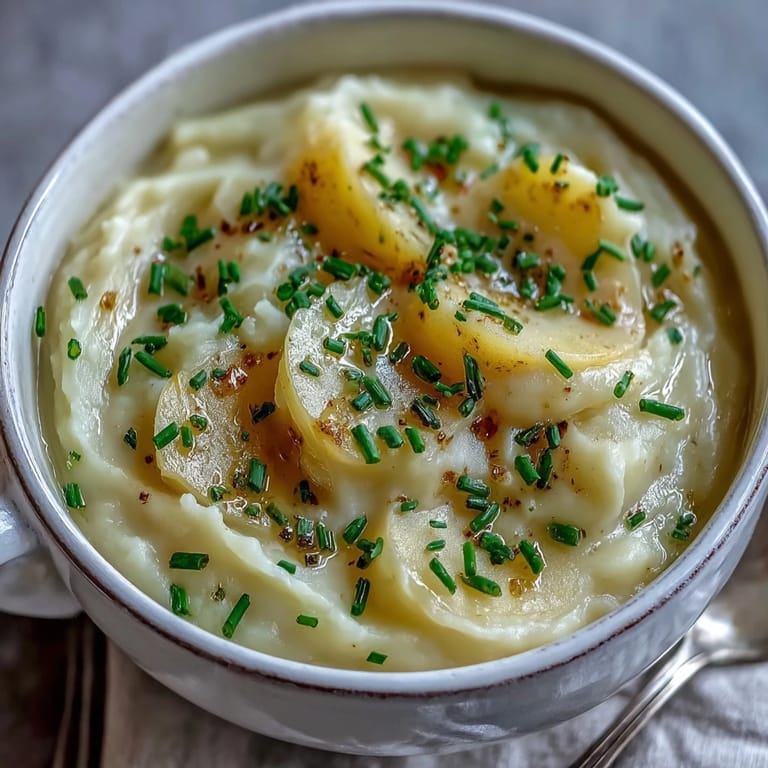 Save to Pinterest
 This soup is proof that the best cooking doesn't require exotic ingredients or complicated techniques—it just requires attention and a willingness to let simple things become something meaningful. Make it when you need it most.
Recipe FAQs
- → Can I make this dairy-free?
Absolutely. Simply replace the butter with additional olive oil and substitute your favorite non-dairy milk for regular milk or cream. The result remains just as silky and satisfying.
- → What's the best way to clean leeks properly?
Slice the leeks lengthwise and rinse under cool running water, fanning out the layers to remove any hidden grit or sand between them. Pat dry before cooking to prevent excess moisture in your pot.
- → Can I freeze this for later?
Yes, though it's best to add the milk or cream after reheating. Freeze the blended base without dairy for up to 3 months, then stir in fresh milk when warming for the same velvety texture.
- → What potatoes work best?
Yukon Gold or other waxy varieties hold their shape beautifully during simmering and blend into an exceptionally creamy texture. Russets work too but may result in a slightly thicker, more gluey consistency.
- → How do I achieve the smoothest texture?
An immersion blender makes quick work directly in the pot. For ultra-refined results, pass the puréed mixture through a fine-mesh sieve to remove any remaining fibers, creating that restaurant-quality silkiness.
- → What garnishes enhance this bowl?
Beyond bacon or seafood, consider a drizzle of good olive oil, a dollop of crème fraîche, toasted pumpkin seeds, or a confit of garlic cloves. Fresh herbs like chives, tarragon, or parsley add bright contrast to the rich base.