 Save to Pinterest
 I discovered this sauce by accident one weeknight when I was tired of the heavy cream-based Alfredo sitting too long in my stomach. Standing at the fridge, I spotted a container of cottage cheese that needed using, and something clicked—what if I just blended it smooth and treated it like cream? Twenty minutes later, I was twirling silky, protein-packed pasta and wondering why I'd never thought of this trick before.
My partner was skeptical when I mentioned cottage cheese Alfredo—I could see it on his face. But the moment he tasted it, his whole expression changed. He went back for seconds and asked if I'd finally lost my mind or invented something genius. I haven't made the traditional version since.
Ingredients
- Low-fat cottage cheese: The magic ingredient that transforms this from heavy cream into something lighter but still luxuriously thick when blended smooth.
- Whole milk: This thins the cottage cheese just enough so it flows like sauce, not pudding.
- Grated Parmesan cheese: Non-negotiable for that sharp, salty umami punch that makes people ask what you did differently.
- Unsalted butter: The foundation where garlic blooms and everything else builds from.
- Garlic: Minced fine so it distributes evenly and won't leave burning-hot chunks in your mouth.
- Black pepper and salt: Season boldly here because cottage cheese can taste mild, and these wake it up.
- Nutmeg: Just a whisper of it—this is the secret that makes people say it tastes like restaurant Alfredo.
Tired of Takeout? 🥡
Get 10 meals you can make faster than delivery arrives. Seriously.
One email. No spam. Unsubscribe anytime.
Instructions
- Blend the base:
- Pour cottage cheese and milk into your blender and let it run on high for a full minute or two until there are no grainy bits left. You want it genuinely smooth, almost glossy.
- Melt and perfume the butter:
- In a medium saucepan over medium heat, melt butter until it's foaming, then add minced garlic. Listen for the sizzle and breathe in—the second it smells heavenly (about 30–60 seconds), move to the next step before it browns.
- Combine and warm:
- Pour that blended cottage cheese mixture into the pan with the garlic butter, then add Parmesan, pepper, salt, and a tiny pinch of nutmeg. Stir constantly over gentle heat for 2–3 minutes until it thickens slightly and coats the back of a spoon.
- Taste and adjust:
- This moment matters—add more salt if it tastes flat, a crack more pepper if it feels shy, or a squeeze of lemon if you want brightness. Trust your tongue.
- Toss and serve:
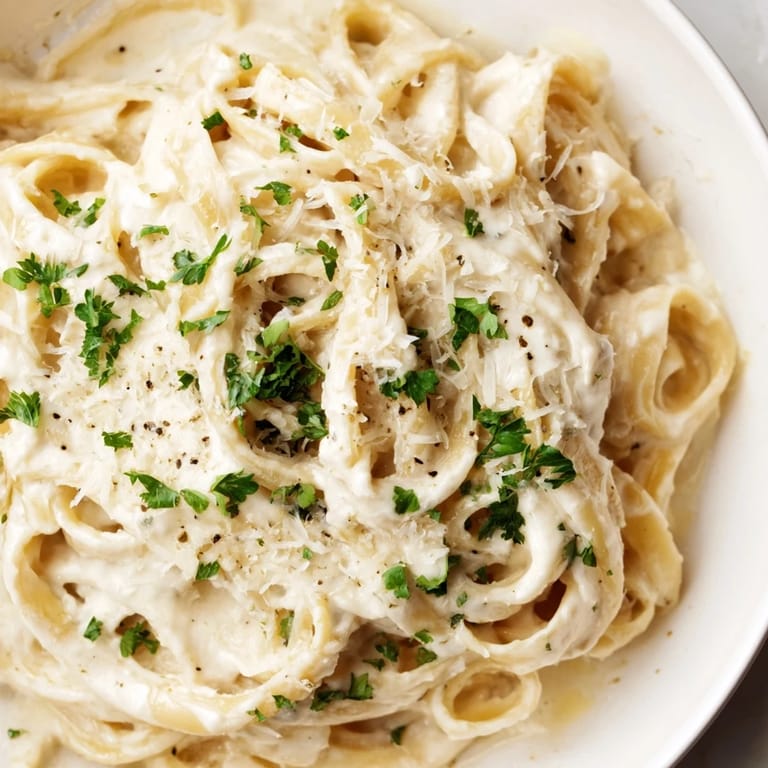
- Work quickly once the sauce is ready. Toss it with hot pasta straight from the pot so the heat finishes the magic, then top with fresh parsley and extra Parmesan.
 Save to Pinterest
 Last winter, I made this for a dinner party and watched my most skeptical friend ask for the recipe. She thought I'd used heavy cream and was amazed when I told her the secret. That moment—when something simple and healthy becomes the thing people remember about your table—that's when cooking stops being a task.
Why This Swap Works
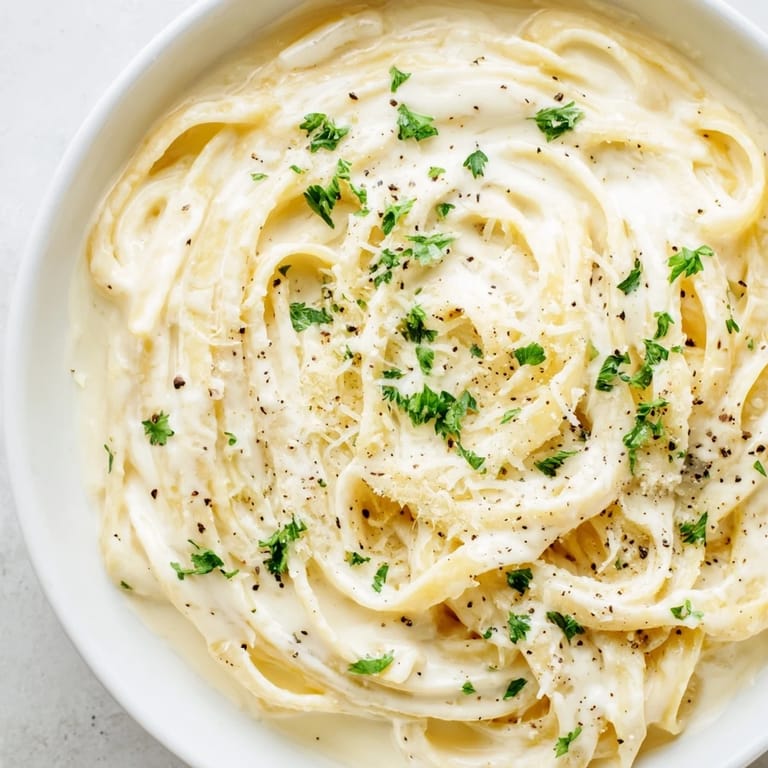
Cottage cheese gets a bad reputation, mostly because people eat it straight from the container or add it to things where it stays lumpy. But blended smooth, it becomes something else entirely—it's creamier than Greek yogurt, lighter than heavy cream, and packed with casein protein that actually sticks with you. The milk thins it to sauce consistency, the Parmesan adds the salty funk that makes Alfredo Alfredo, and the butter carries the garlic's flavor through everything. What you end up with tastes indulgent but doesn't sit in your stomach like a brick.
Make It Your Own
This sauce is a canvas. Some nights I sauté mushrooms in the butter before adding the cottage cheese mixture, or wilt fresh spinach right into the pan. Other times I toss in grilled chicken or crispy pancetta if I'm feeling like it's a full dinner and not just a side. The sauce also works beautifully over roasted vegetables—broccoli, cauliflower, zucchini—and it's genuinely good enough to make you forget about pasta altogether.
Pasta Pairings and Storage
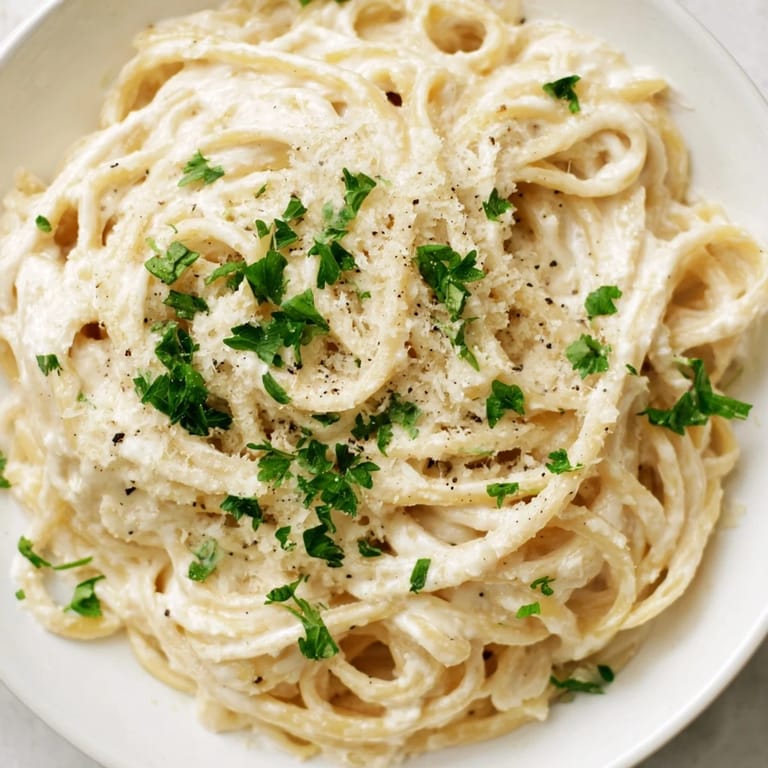
Fettuccine is the traditional choice and for good reason—those wide ribbons catch and hold the sauce. But I've had excellent results with penne, which traps the sauce inside its tubes, or zucchini noodles if you want to keep things even lighter. If you end up with leftovers, this sauce keeps in the fridge for three days in a sealed container, though it thickens as it cools. Just warm it gently on the stovetop with a splash of milk to bring it back to sauce consistency.
- Make extra and freeze it in ice cube trays for quick weeknight meals.
- Stir in fresh lemon juice or a splash of cream just before serving for brightness.
- If the sauce breaks or looks grainy, pour it back into the blender with a splash of milk and pulse until smooth again.
 Save to Pinterest
 This sauce proved to me that the best cooking isn't about complicated techniques or fancy ingredients—it's about looking at what you have and asking what happens if you try something different. Now I make it every couple of weeks, and I'm still amazed it actually works.
Recipe FAQs
- → How do I achieve a smooth and creamy texture?
Blend the cottage cheese with milk at high speed until completely smooth before warming the sauce gently to avoid curdling.
- → Can I adjust the seasoning in the sauce?
Yes, taste the sauce after warming and adjust salt, pepper, or nutmeg to your preference for balanced flavor.
- → What pasta types work best with this sauce?
Fettuccine, penne, or zucchini noodles pair well, holding the creamy sauce and complementing its texture.
- → Is this sauce suitable for vegetarians?
Yes, but check Parmesan ingredients for animal rennet and opt for vegetarian alternatives if preferred.
- → How can I make the sauce richer or creamier?
Use full-fat cottage cheese or stir in a splash of cream or a squeeze of lemon juice before serving.