 Save to Pinterest
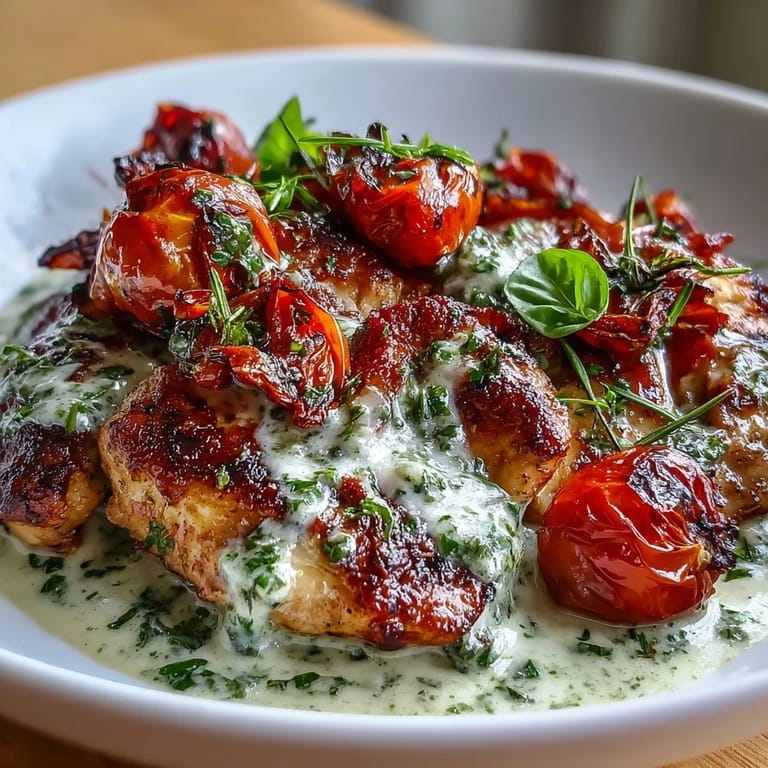
 There's something about a weeknight when the kitchen smells like fresh basil and butter that makes everything feel less rushed. I stumbled onto this creamy pesto chicken combination while hunting through the fridge one Tuesday evening, armed with chicken breasts and a jar of pesto I'd almost forgotten about. The moment those cherry tomatoes hit the oven and started blistering at the edges, I knew I was onto something—a dish that felt fancy enough for guests but honest enough for a Tuesday. It's become my go-to when I want something nourishing that doesn't demand hours at the stove.
I made this for a friend who'd mentioned feeling stuck in a dinner rut, and watching her face light up when she tasted it reminded me why I love cooking. She kept asking if it was restaurant food, and I realized the magic wasn't in any secret technique—it was just good ingredients treated with care. Now whenever she asks what I'm making for dinner, there's always a chance she's hoping it's this one.
Ingredients
- Boneless, skinless chicken breasts: Look for breasts that are roughly the same thickness so they cook evenly; if one side is noticeably thicker, pound it gently to even things out before seasoning.
- Sea salt and freshly ground black pepper: Don't skip the grinding step—pre-ground pepper loses its punch, and you'll taste the difference in every bite.
- Olive oil: Use a good quality oil since you're tasting it raw in the sauce; budget oils can leave a slightly metallic note.
- Basil pesto: Store-bought works beautifully here, but if you have homemade on hand, this is the moment to use it—the sauce becomes even more vibrant.
- Heavy cream: This is where the richness lives, so don't try to substitute with lighter cream; the sauce needs the full fat content to emulsify properly with the pesto.
- Grated Parmesan cheese: Freshly grated melts more smoothly than pre-shredded, which often contains anti-caking agents that can make the sauce grainy.
- Cherry tomatoes: Choose ones that feel firm but have a slight give; overripe tomatoes will collapse into mush during roasting.
Tired of Takeout? 🥡
Get 10 meals you can make faster than delivery arrives. Seriously.
One email. No spam. Unsubscribe anytime.
Instructions
- Get your oven hot:
- Preheat to 400°F while you prep everything else; a properly heated oven means your tomatoes will start caramelizing right away instead of just steaming.
- Ready the tomatoes:
- Halve your cherry tomatoes and toss them on a baking sheet with olive oil and seasoning, then slide them into the oven. Set a timer for 15 to 18 minutes—you're looking for the cut sides to turn golden and the edges to char slightly, which is where all the flavor happens.
- Season the chicken:
- While the tomatoes are roasting, pat your chicken breasts dry with a paper towel and season both sides generously with salt and pepper. Damp chicken won't brown properly, so don't skip the drying step.
- Sear with confidence:
- Heat olive oil in your skillet over medium-high heat until it shimmers, then lay in the chicken and resist the urge to move it around—let it sit for 3 to 4 minutes per side until a golden crust forms. The chicken won't be cooked through yet, and that's exactly right because it finishes gently in the sauce.
- Build the pesto sauce:
- Lower the heat to medium, add pesto and heavy cream directly to the same skillet, and stir gently until it starts to bubble softly. Add your Parmesan and keep stirring until the cheese dissolves completely and the sauce becomes silky and cohesive.
- Reunite chicken and sauce:
- Return the seared chicken to the skillet, turning it to coat both sides with sauce, then cover and let it simmer for 8 to 10 minutes until the internal temperature hits 165°F. The steam and gentle heat ensure the chicken stays moist while the sauce mellows slightly.
- The final flourish:
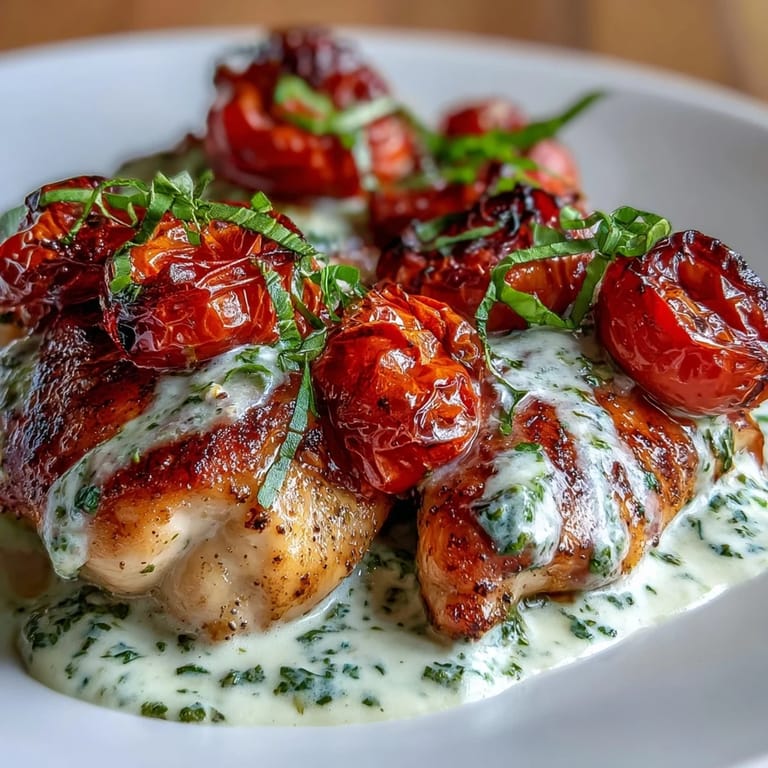
- Top each chicken breast with those roasted tomatoes you've been tending, scatter fresh basil leaves if you have them, and add an extra pinch of Parmesan. Serve immediately while everything is still warm.
 Save to Pinterest
 There was an evening when I made this for my partner after a long day, and we sat down without phones, without rushing, and just ate quietly together. Food doesn't always need to be a big production to matter—sometimes it's just the warmth of a bowl and the small kindness of knowing someone made dinner with you in mind.
Making the Sauce Sing
The sauce is where all the personality lives in this dish, and it teaches you something useful about cooking with cream. When you add pesto to hot cream, the heat can sometimes cause it to separate or become oily-looking, which scared me the first few times. The trick is keeping the heat at a gentle medium, stirring constantly, and adding the Parmesan slowly so it has time to integrate rather than seize up.
Timing and Temperature
This entire dish hinges on not overcooking the chicken, which happens faster than most people think. Searing it hard on both sides in the pan is about building flavor, not cooking it through—the gentle simmer in sauce finishes the job without drying anything out. I learned this the hard way by cooking chicken all the way through in the skillet, then having it turn rubbery by the time the sauce was ready.
Customizing Your Bowl
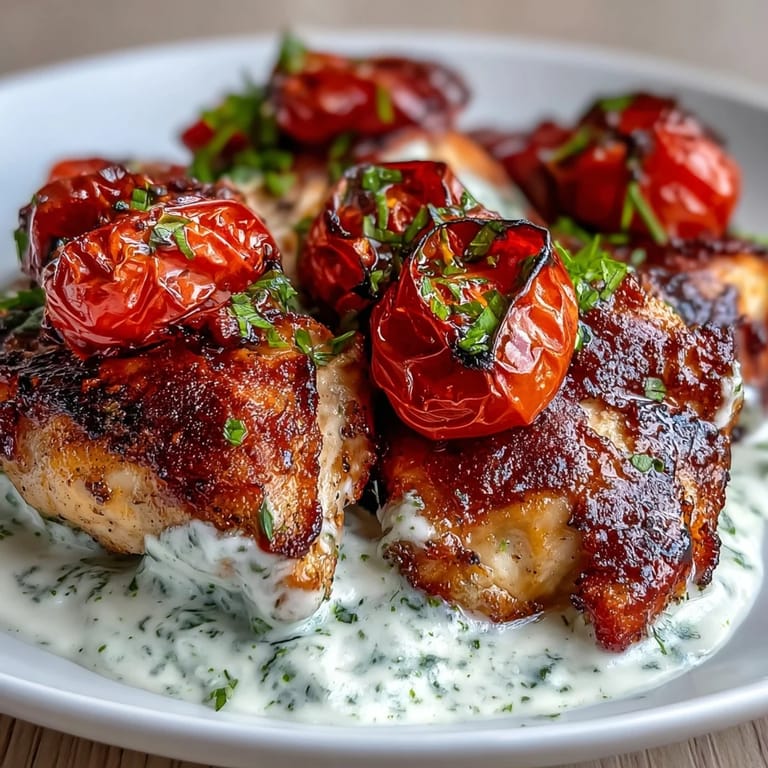
One of the kindest things about this recipe is how it accepts small adjustments without losing its soul. I've added spinach, swapped in sun-dried tomatoes, even crumbled crispy bacon over the top when I had it on hand. The foundation is solid enough that you can play around without worrying you've broken something fundamental. The roasted tomatoes are the real star here—they give you natural sweetness and acidity that keeps the cream from feeling heavy, so don't skip them even if you're adding other vegetables.
- Swap zucchini noodles or cauliflower rice underneath for a complete keto meal that feels substantial.
- If you prefer chicken thighs, increase the simmering time by a few minutes since they're thicker.
- Fresh spinach stirred into the sauce at the last moment adds nutrition and a gentle earthiness that nobody ever regrets.
 Save to Pinterest
 This recipe has become something I turn to when I want to feel like I'm taking care of myself or someone else without straining. It's proof that good food doesn't have to be complicated.
Recipe FAQs
- → Can I use store-bought pesto?
Absolutely. Store-bought basil pesto works perfectly in this dish. Look for a brand with simple ingredients—basil, olive oil, pine nuts, Parmesan, and garlic. Avoid versions with added sugars or preservatives to keep it keto-friendly.
- → How do I know when the chicken is fully cooked?
Use a meat thermometer to check the internal temperature reaches 165°F (74°C). The chicken should feel firm and the juices run clear when pierced. Since it finishes cooking in the sauce, it stays moist and tender throughout the process.
- → Can I make this dairy-free?
Substitute the heavy cream with full-fat coconut milk or cashew cream. Use dairy-free Parmesan alternatives or nutritional yeast for the cheesy element. The sauce will still be rich and creamy, though the flavor profile will shift slightly.
- → What sides pair well with this dish?
Zucchini noodles, cauliflower rice, or roasted low-carb vegetables like broccoli or asparagus complement the flavors beautifully. A simple arugula salad with lemon vinaigrette adds fresh contrast to the rich sauce.
- → How long will leftovers keep?
Store leftovers in an airtight container in the refrigerator for 3-4 days. Reheat gently over low heat, adding a splash of cream if the sauce has thickened. The flavors often deepen and improve after a day or two.
- → Can I use frozen chicken breasts?
Thaw frozen chicken completely before starting this recipe. Pat them dry thoroughly with paper towels to ensure proper searing. Frozen chicken releases too much moisture during cooking, preventing that golden-brown crust that adds texture and flavor.