 Save to Pinterest
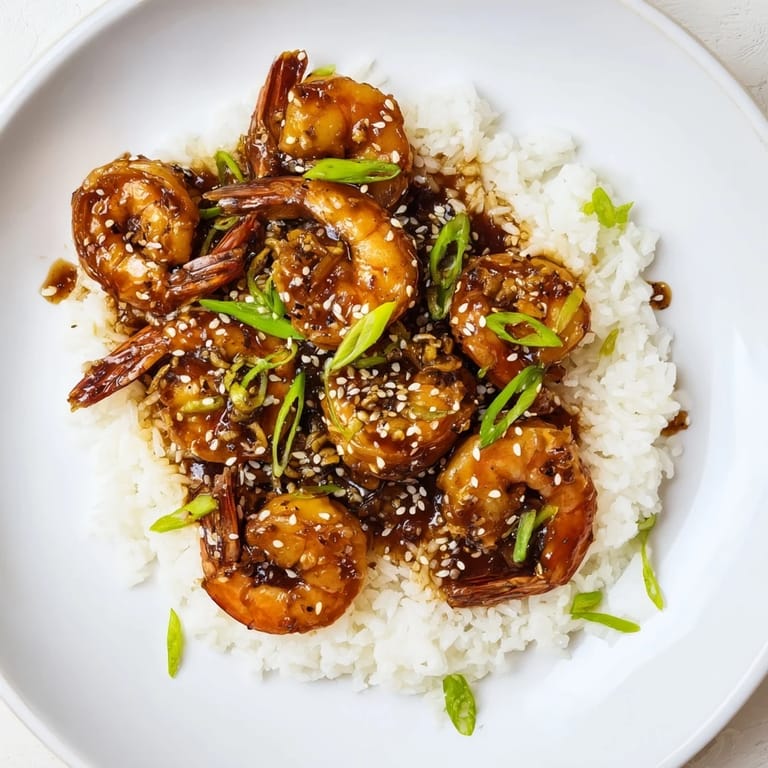
 One Tuesday night, I was standing at the stove with nothing but shrimp, honey, and garlic, trying to rescue dinner from the chaos of a hectic day. Ten minutes later, my kitchen smelled like a Southeast Asian night market, and I realized I'd stumbled onto something that felt both effortless and impressive. That's the magic of this honey garlic shrimp—it's the kind of dish that makes you look like you've been planning all day when really you just grabbed what was in your pantry and let the heat do the work.
I made this for my neighbor one evening when she stopped by stressed about feeding her family, and she went home with the recipe written on the back of a grocery receipt. Now she texts me photos of her versions, each one a little different based on what she has. That's when I knew this wasn't just a quick dinner—it was something that stayed with people.
Ingredients
- Large shrimp, peeled and deveined (1 lb): Buy them fresh if you can smell the ocean instead of ammonia, and don't skip the patting dry—it's the secret to a golden sear rather than a steamed result.
- Honey (1/3 cup): The sweetness rounds out the salty soy and brings that glossy, caramelized finish to the glaze; use something floral if you have it.
- Low-sodium soy sauce (1/4 cup): It's the backbone of the flavor, but low-sodium lets you taste everything else instead of just salt.
- Garlic cloves, minced (4): Fresh garlic is non-negotiable here; the heat softens it and melds it into the sauce in the most beautiful way.
- Fresh ginger, grated (1 tbsp): A small amount adds warmth and complexity that makes people pause mid-bite and wonder what they're tasting.
- Rice vinegar (1 tbsp, optional): Add this if your honey tastes overly sweet or if you're going for a brighter, more balanced sauce.
- Crushed red pepper flakes (1/2 tsp, optional): For a gentle heat that builds rather than shocks; add more if you like it spicy.
- Vegetable oil or sesame oil (1 tbsp): Sesame oil gives nuttiness, but vegetable oil lets the garlic honey shine—choose based on your mood.
- Green onions, thinly sliced (2 tbsp): Raw green onions scattered at the end bring a sharp, fresh contrast to the sweet glaze.
- Toasted sesame seeds (1 tsp, optional): They add a whisper of crunch and nutty depth that feels like a finishing touch you wish you'd invented yourself.
Tired of Takeout? 🥡
Get 10 meals you can make faster than delivery arrives. Seriously.
One email. No spam. Unsubscribe anytime.
Instructions
- Make the glaze ahead:
- Whisk honey, soy sauce, garlic, ginger, rice vinegar, and red pepper flakes in a bowl so the flavors start getting to know each other. This takes two minutes and makes the rest feel completely calm.
- Dry the shrimp thoroughly:
- Pat them down with paper towels like you mean it—moisture is the enemy of a good sear. Season lightly with salt and pepper and let them sit for a moment while your pan heats.
- Get your skillet hot and golden:
- Heat oil over medium-high heat until it shimmers and moves like water. The pan should sizzle the moment shrimp hits it.
- Sear the shrimp in a single layer:
- Don't crowd the pan; they cook faster if they each have their own space. One to two minutes per side, just until the pink starts creeping up from the tail—shrimp cook fast and overcooked shrimp is a real sadness.
- Pour in the glaze and let it work:
- The sauce hits the hot pan and starts to bubble and thicken immediately, coating each shrimp in that glossy, caramelized sweetness. Stir gently for two to three minutes until the shrimp are fully cooked through and the sauce clings to them.
- Finish and serve right away:
- Remove from heat, scatter green onions and sesame seeds across the top, and serve over rice or noodles while everything is still warm and the sauce is still loose and shiny.
 Save to Pinterest
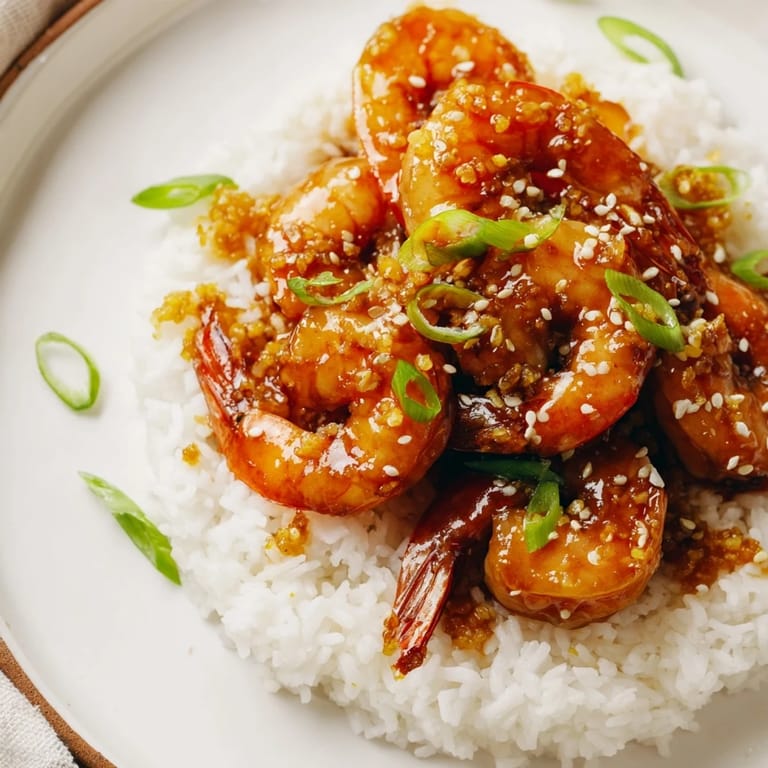
 There's a moment after everything comes off the heat when steam rises from the pan and the smell hits you all at once—garlic and honey and something almost caramelized—and you realize this is why people cook. It's simple, but it's completely transformative.
Why This Works as a Weeknight Miracle
The whole thing takes twenty minutes from start to table, but it doesn't feel rushed or half-baked. Shrimp are forgiving in the sense that they cook so quickly you don't have time to stress, and the sauce does almost all the heavy lifting in terms of flavor. It's one of those rare dishes where simplicity is actually the whole point, not a shortcut.
Serving and Pairing Ideas
I've served this over jasmine rice, over crispy chow mein noodles, and even tossed with fresh egg noodles for a lighter take on lo mein. Each version feels different but equally right. The sauce is loose enough that it soaks into rice beautifully and thick enough that it clings to noodles, so you really can't go wrong. A cold glass of Sauvignon Blanc or even a crisp pilsner cuts through the sweetness and makes everything taste even brighter.
Variations and Add-Ons to Try
If you want more texture and color, sauté snap peas or thinly sliced bell peppers in the skillet while the shrimp cooks, then push them to the side and add the sauce so everything glazes together. For a protein swap, chicken breast cut into bite-sized pieces works beautifully and takes only a few extra minutes. Tofu, cut into cubes and pressed lightly to remove moisture, picks up the glaze just as well and becomes almost caramelized on the outside.
- A splash of lime juice at the end brightens everything and adds a sharp contrast to the honey sweetness.
- Scallions can be reserved partly for cooking and partly raw—some minced into the sauce and some scattered fresh for contrast.
- Crushed peanuts or cashews added at the very end give an unexpected crunch that feels fancy without any extra effort.
 Save to Pinterest
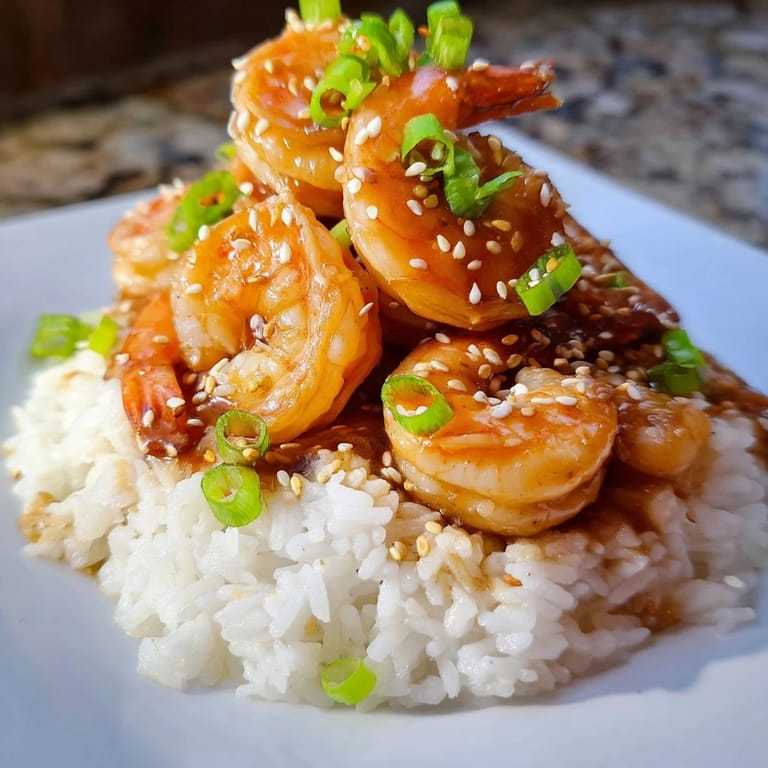
 This is the kind of recipe that reminds you why cooking at home matters—it's fast enough not to feel like a burden, but delicious enough to feel like an act of care. Make it once, and it becomes a reliable friend on nights when you need something that feels both easy and special.
Recipe FAQs
- → Can I use frozen shrimp for this dish?
Yes, just thaw the shrimp completely and pat dry before cooking to ensure even glazing and proper texture.
- → What can I substitute for rice vinegar?
Apple cider vinegar or lemon juice work well to add a mild acidity and balance the sweetness.
- → Is sesame oil essential for flavor?
While sesame oil adds a nutty aroma, you can use vegetable oil alone for a milder taste without losing overall flavor.
- → How do I avoid overcrowding the skillet?
Cook shrimp in batches if needed, so each piece has enough room to sear properly without steaming.
- → Can extra vegetables be incorporated?
Absolutely, snap peas or bell peppers sautéed briefly complement the shrimp and add freshness.