 Save to Pinterest
 I was standing at a taverna counter in Athens, watching a cook flip golden cheese in a hot pan, when I finally understood what saganaki was supposed to taste like. The edges were dark and crisp, the center barely molten, and the sizzle carried across the narrow street. I asked for the recipe right there, in broken Greek, and the cook just smiled and said, "Hot pan, good cheese, that's all." I've been making it at home ever since, and every time that cheese hits the oil, I'm back on that warm sidewalk.
I made this for a small dinner party once, right before we sat down, and I barely got the plate to the table before everyone had grabbed a piece. My friend Maria, who grew up in Crete, closed her eyes and said it reminded her of her grandmother's kitchen. That's when I realized saganaki isn't just cheese, it's a moment you share while it's still hot, before it cools, before anyone thinks too much.
Ingredients
- Firm Greek cheese (kasseri, kefalotyri, or halloumi): Kasseri melts beautifully and has a mild, buttery flavor, while kefalotyri is sharper and saltier; halloumi holds its shape well and won't disappear in the pan, so pick based on what you want to taste.
- All-purpose flour: Just a light dusting creates that golden shell without weighing down the cheese; I've used rice flour when I needed it gluten-free, and it worked perfectly.
- Olive oil: Use a good one, because you'll taste it in every bite; it should shimmer in the pan, not smoke, so medium-high heat is your friend here.
- Lemon: The acidity cuts through the richness and wakes up the salt in the cheese; I always squeeze it over while the saganaki is still crackling.
- Dried oregano: A pinch is enough to remind you this is Greek, not just fried cheese; I crumble it between my fingers to release the oils before sprinkling.
- Black pepper: Freshly ground makes a difference; it adds a quiet warmth that balances the lemon's brightness.
Tired of Takeout? 🥡
Get 10 meals you can make faster than delivery arrives. Seriously.
One email. No spam. Unsubscribe anytime.
Instructions
- Prep the Cheese:
- Pat each slice completely dry with paper towels, because any moisture will make the flour slide off and the oil spatter. I learned this after my first attempt sent droplets across the stove.
- Coat Lightly:
- Dredge the cheese in flour, turning it gently, then shake off the excess until only a thin, even layer remains. Too much flour and you'll taste paste instead of cheese.
- Heat the Pan:
- Warm the olive oil over medium-high heat until it shimmers but doesn't smoke; you want it hot enough to crisp the cheese in under two minutes per side. I test it by dropping in a tiny pinch of flour, it should sizzle right away.
- Fry Until Golden:
- Lay the cheese in the pan and resist the urge to move it; let it sit for a full minute or two until the edges turn deep gold, then flip carefully with a spatula. The second side goes faster, so watch closely.
- Drain and Serve:
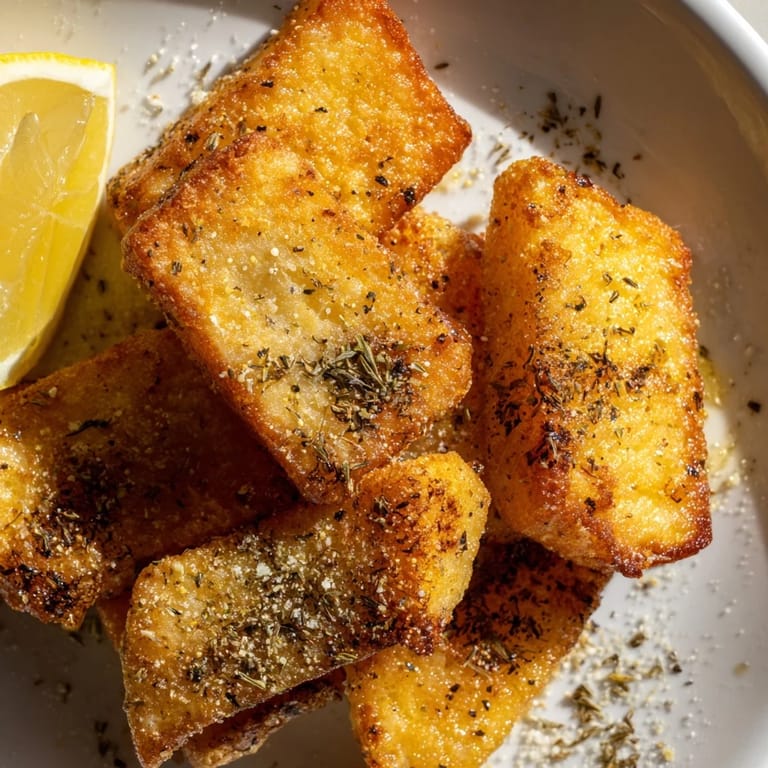
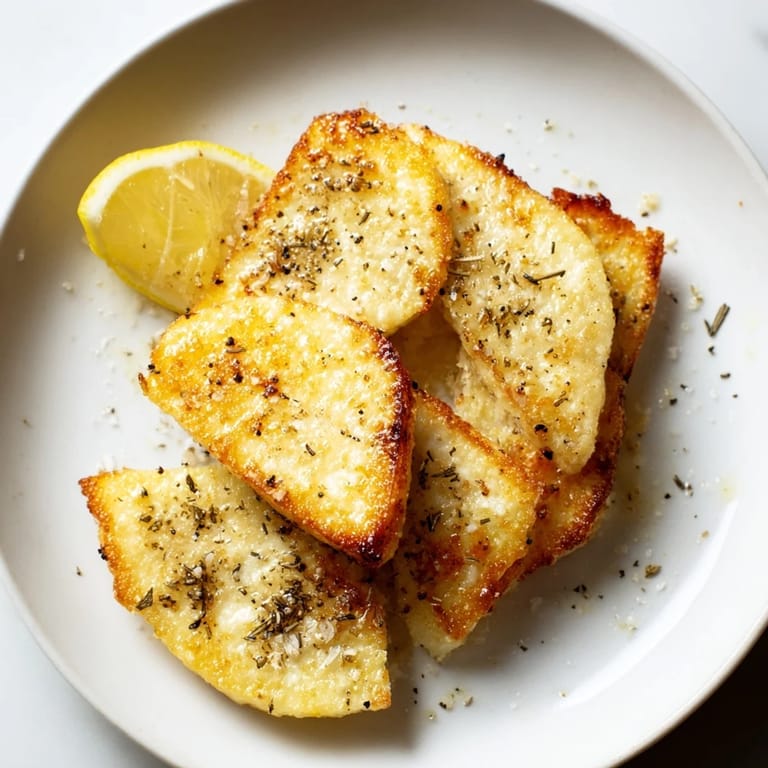
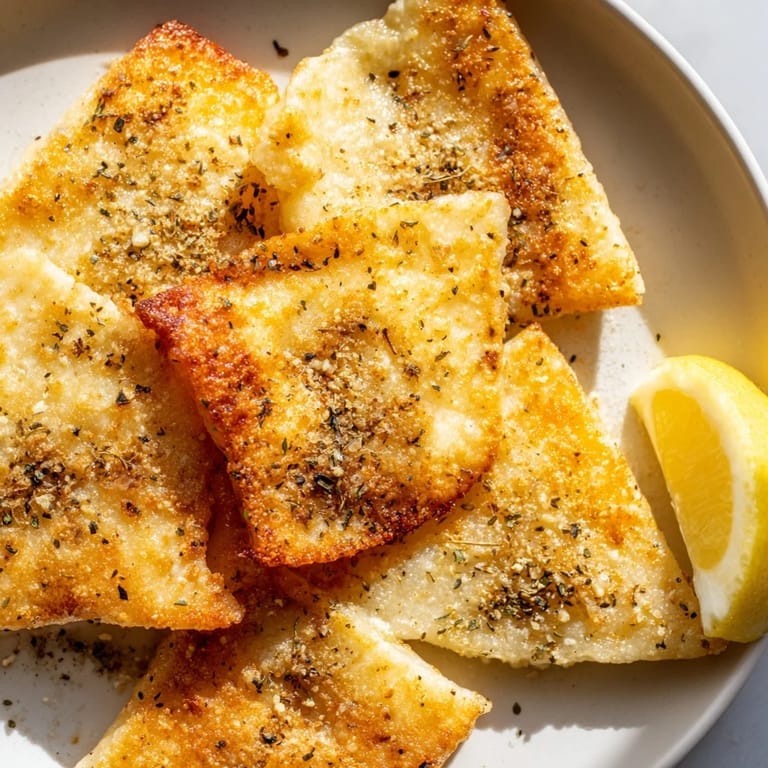
- Lift the cheese onto paper towels for just a few seconds to blot the oil, then transfer to a warm plate and sprinkle with oregano and pepper while it's still crackling. Serve immediately with lemon wedges on the side.
 Save to Pinterest
 One winter evening, I made saganaki as a last-minute appetizer, and my neighbor wandered in just as I was plating it. She took one bite, laughed, and said it tasted like the island trips she took as a kid. We ended up talking for an hour, the cheese long gone, but the smell of oregano and lemon still hanging in the air. That's what this dish does, it buys you time and memories in ten minutes flat.
Choosing Your Cheese
Kasseri is mild and creamy, kefalotyri brings a sharp, salty punch, and halloumi stays firm and squeaky even after frying. I usually keep halloumi on hand because it's forgiving and widely available, but if you find kefalotyri at a Greek market, grab it; the flavor is bolder and more traditional. Graviera works too, especially if you want something a little nutty and less salty.
Serving Suggestions
I like to serve saganaki with warm pita or crusty bread for scooping, but it also shines on a mezze platter next to olives, tomatoes, and cucumbers. Sometimes I'll add a drizzle of honey over the top for a sweet-salty contrast that surprises people in the best way. Pair it with a cold, crisp white wine like Assyrtiko, and you've got a perfect start to any meal.
Make It Your Own
You can turn this into a quick weeknight snack by cutting the cheese into smaller cubes and frying them all at once, then tossing with lemon and herbs in a bowl. I've also added a sprinkle of red pepper flakes for heat, or swapped the oregano for fresh thyme when I had it growing on the windowsill.
- Try it with a drizzle of honey and sesame seeds for a sweet, nutty finish.
- Add a few capers or chopped fresh parsley right before serving for a brighter, herbier bite.
- If you're feeling bold, flambé it tableside with a splash of ouzo or brandy, just like they do in some tavernas.
 Save to Pinterest
 Saganaki taught me that the best food doesn't need a long ingredient list or hours of prep, just good timing and a little confidence. Make it once, and you'll never forget how easy it is to turn cheese into something people remember.
Recipe FAQs
- → What types of cheese work best for this dish?
Firm Greek cheeses like kasseri, kefalotyri, halloumi, or graviera hold their shape well when fried and develop a crispy crust.
- → Can I use gluten-free flour for coating?
Yes, gluten-free flour works perfectly for coating to maintain crispiness while accommodating gluten sensitivities.
- → How do I achieve the ideal crispy texture?
Pat the cheese dry before light flour coating, then fry in hot olive oil until golden on each side for 1–2 minutes.
- → What accompaniments pair well with this cheese dish?
Serve with lemon wedges, crusty bread, or as part of a mezze platter. A crisp white wine like Assyrtiko complements it nicely.
- → How should the cheese be served after frying?
Serve immediately while hot, sprinkled with dried oregano and freshly ground black pepper, with lemon wedges for squeezing.