 Save to Pinterest
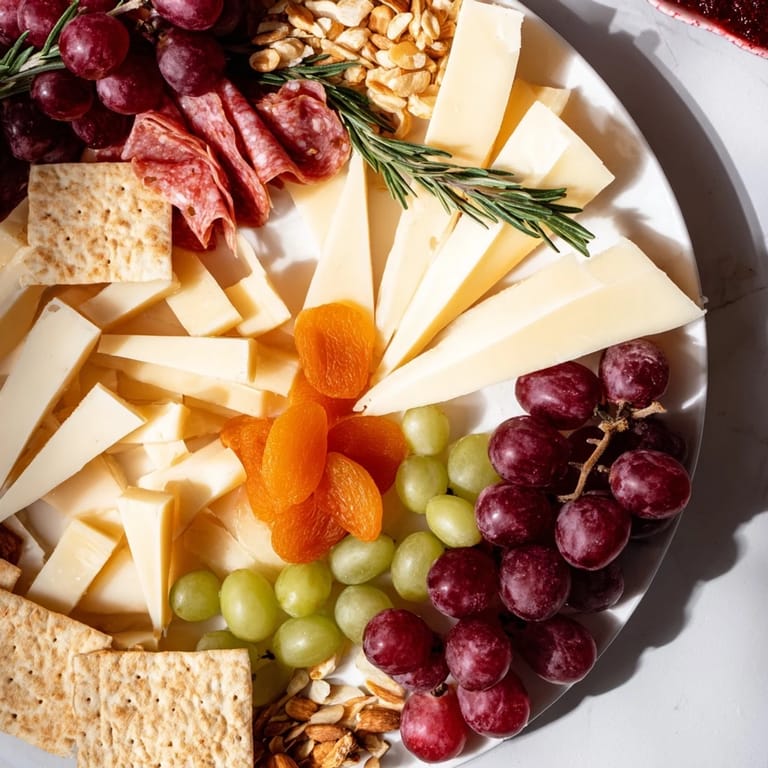
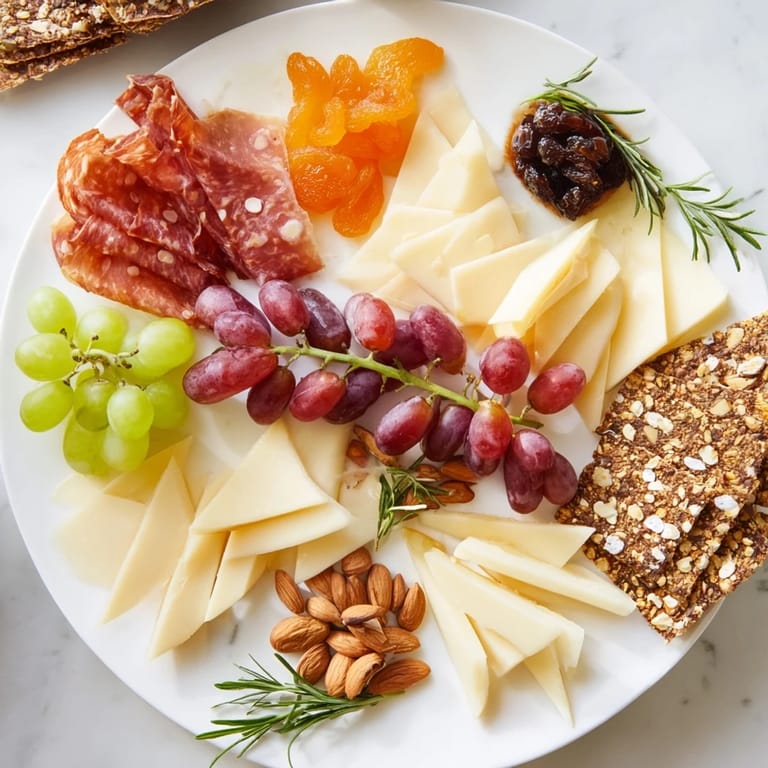
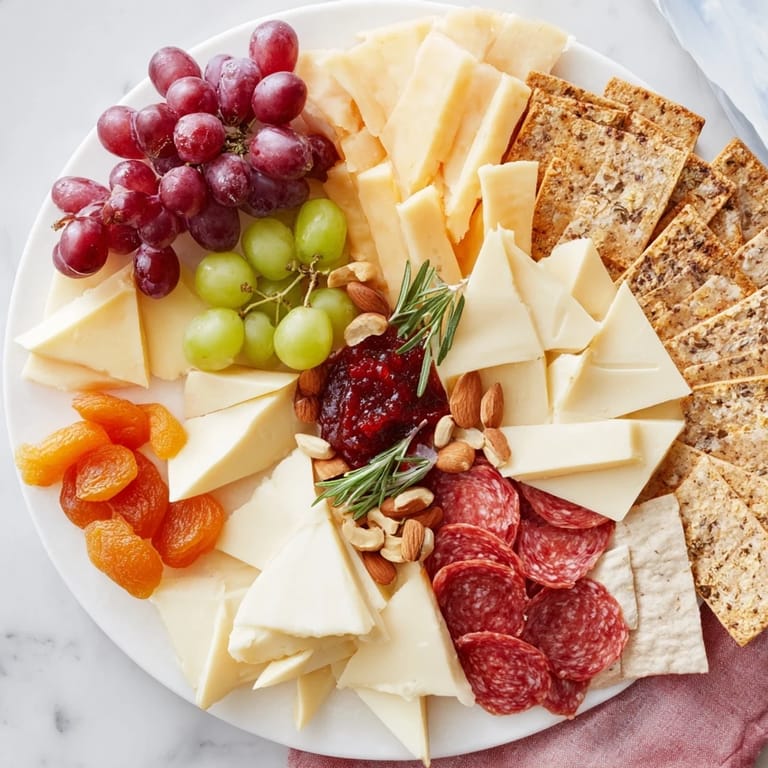
 I was setting up for a dinner party when my architect friend made an offhand comment about how random my usual cheese boards looked. That single remark spiraled into an obsession—what if I treated the board itself as a design project? Within an hour, I was standing in my kitchen with a ruler in one hand and a chef's knife in the other, cutting Manchego into precise triangles. The moment those geometric shapes started catching the light in unexpected ways, I knew I'd stumbled onto something that felt both playful and genuinely elegant. Now every time I make this board, guests do a double-take before they even taste anything.
My coworker brought her eight-year-old to a casual Friday gathering where I'd assembled this board, and the kid spent twenty minutes categorizing every shape by color and type, completely mesmerized. That's when I realized this wasn't just visually striking—it had this unexpected quality of drawing people in, making them slow down and really look at their food. It transformed the whole mood of the evening from rushed to genuinely thoughtful.
Ingredients
- Manchego cheese: This Spanish cheese holds its shape beautifully when cut cold, and its nutty flavor anchors the whole board without overpowering.
- Aged cheddar: Go for something with at least 18 months of aging so it won't crumble as you cut—sharpness balances the richness of the board.
- Brie: Chill it thoroughly before slicing into firm wedges; the creamy contrast against harder cheeses is essential.
- Gruyère: Cut into rhombuses to break up the triangle repetition and add a slightly more refined, nutty note.
- Prosciutto: Fold rather than cut if you want delicate, airy shapes that catch light; trim edges for clean geometry.
- Soppressata: This holds its shape better than softer cured meats, and the paprika tones add visual warmth to the composition.
- Chorizo: Slice on a diagonal before trimming into rhombuses; the spice works as a subtle flavor anchor.
- Seedless grapes: Cluster them in groups of the same color to create visual rhythm and provide juicy moments between richer items.
- Dried apricots: Cut a few diagonally to match the theme, but leave some whole—perfect texture contrast.
- Marcona almonds: Their buttery richness fills small gaps and adds a luxe touch without being obvious about it.
- Fig jam: A small spoonful goes a long way; it becomes an anchor point for the eye and a flavor bridge.
- Gluten-free seed crackers: Break them into triangles by hand for an organic, less rigid feel against all those precise cuts.
- Fresh rosemary or thyme: Scatter sparingly; herbs aren't just garnish here—they add aroma and signal freshness.
Tired of Takeout? 🥡
Get 10 meals you can make faster than delivery arrives. Seriously.
One email. No spam. Unsubscribe anytime.
Instructions
- Sharpen your knife and chill your workspace:
- A dull blade will drag through cheese and tear delicate meats, destroying the clean lines you're after. If your kitchen is warm, pop your cutting board in the freezer for five minutes first.
- Cut the Manchego into triangles:
- Slice the cheese into thin rectangles, then cut diagonally to create two triangles per rectangle. Think of it like cutting sandwiches on the bias, but more intentional.
- Prepare the aged cheddar the same way:
- Same knife angle, same confident pressure—consistency in size makes the board feel intentional rather than haphazard.
- Slice the chilled Brie into wedges:
- It should be cold enough that it doesn't smear; aim for triangular wedges roughly the same size as your other cheeses. The cream will soften as guests eat, which is perfect.
- Cut the Gruyère into rhombuses:
- Make one diagonal cut across each slice, then rotate 45 degrees and cut again—you'll end up with four-sided diamonds that break up the visual rhythm.
- Shape the prosciutto with confidence:
- Either fold it gently into loose triangles for an airy look, or lay it flat and trim with a knife for precision. Either way, let your intention show in the gesture.
- Transform the soppressata into rhombuses:
- Use the same technique as the Gruyère—diagonal cuts that create those satisfying four-sided shapes.
- Slice and trim the chorizo:
- Hold the knife at a slight angle as you slice, then trim each piece into a rhombus; the color deepens the board's warmth.
- Arrange everything in loose clusters by shape:
- Start with triangles in one section, rhombuses in another, then grapes and almonds in the gaps. Step back frequently to check balance—you're composing, not just placing.
- Add the dried apricots in geometric pieces:
- Cut a few diagonally for consistency, cluster them near the grapes, and let some whole pieces provide textural relief.
- Nestle small bowls of fig jam or dollop directly:
- If you place jam on the board itself, it becomes a visual anchor; in a small bowl, it's more formal.
- Arrange crackers in neat stacks or fans:
- The triangular shape echoes the theme and looks intentional without feeling rigid.
- Add fresh herb sprigs as the final flourish:
- Rosemary and thyme add height, aroma, and a signal of freshness that transforms the board from static to alive.
- Serve immediately while shapes are pristine:
- Warm hands and time will soften edges; capture the moment while everything is sharp and defined.
 Save to Pinterest
 The first time I made this for a gallery opening, someone asked if I'd had it professionally catered—and I realized in that moment that the care you put into presentation becomes part of the dish itself. It wasn't about showing off; it was about saying through every cut and placement: I thought about this. I considered you.
The Geometry Makes the Difference
There's a reason fashion designers and architects obsess over shape and form—they create a story before anything is consumed. When you shift from random chunks to intentional geometry, the board stops looking like leftovers and starts looking like intention. The triangles and rhombuses catch light differently than rounded or irregular pieces; they create shadow lines that add dimension to what might otherwise be a flat arrangement.
Wine Pairings That Ground the Experience
A crisp Sauvignon Blanc cuts through the saltiness of the cured meats and richness of the cheeses without competing for attention; an effervescent rosé adds playfulness and pairs beautifully with the dried fruit. I've learned not to overthink wine choice—let the acidity and brightness do the work, and you'll find the board tastes even more refined. The wine becomes part of the composition, not an afterthought.
Building Your Own Geometric Vision
The beauty of this framework is that it works with any cheese or cured meat you love—just hold the shape constraint as your creative anchor. I've made versions with bresaola, saucisson, burrata (sliced and frozen slightly), smoked gouda, and white cheddar. Each brings a different energy to the board while the geometry keeps the whole thing cohesive. The constraint frees you; you're not making choices about random assembly, you're making choices about flavor and color within a structure you trust.
- Softer cheeses need to be colder; harder cheeses are more forgiving but sharper tools always yield better results.
- If you're serving at a warm venue, assemble as close to serving time as possible and keep the board in a cool spot until the last moment.
- Don't stress about perfect precision—small variations in size actually make the board feel more human and less like something a laser cut.
 Save to Pinterest
 This board became something I return to not because it's complicated, but because it proves that intention transforms the ordinary. Every time someone pauses to really look before eating, I remember why I picked up that ruler in the first place.
Recipe FAQs
- → What cheeses work best for geometric cutting?
Firm cheeses like Manchego, aged cheddar, brie chilled until firm, and gruyère hold their shape well when cut into triangles or rhombuses.
- → How can I achieve clean geometric cuts?
Using a large, sharp chef’s knife and a ruler or cutting guide helps ensure precise and uniform triangular and rhombus shapes.
- → What meats complement the geometric theme?
Cured meats such as prosciutto, soppressata, and chorizo sliced diagonally or folded into geometric shapes blend visually and flavor-wise.
- → Which accompaniments enhance the board's flavor?
Seedless grapes, dried apricots cut diagonally, Marcona almonds, and fig jam provide sweet, savory, and crunchy contrasts.
- → What garnishes add aromatic appeal?
Fresh rosemary or thyme sprigs add fragrance and elevate the presentation with natural greenery.
- → Can this platter suit dietary restrictions?
Using gluten-free seed crackers ensures the spread remains gluten-free, suitable for guests with gluten sensitivities.