 Save to Pinterest
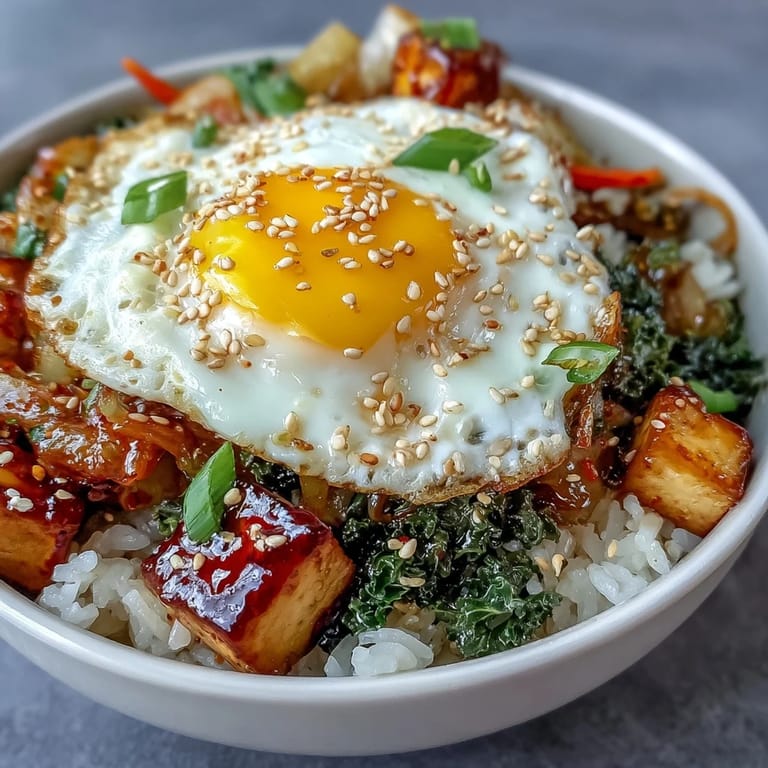
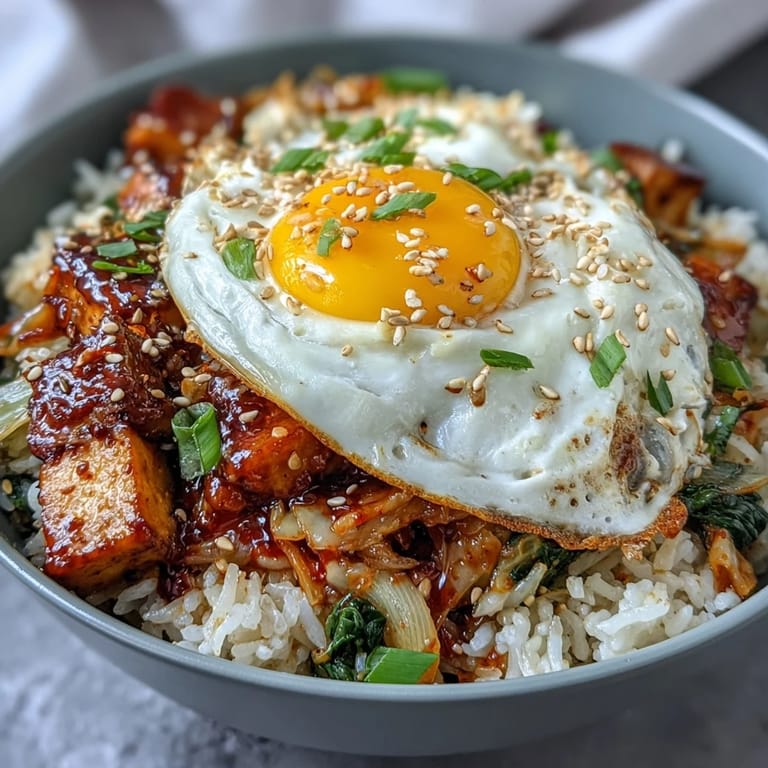
 There’s a crackle and hiss when kimchi hits a hot wok, and that sound always pulls me right to attention. I started making kimchi fried rice out of sheer impatience on a weeknight filled with deadlines: my only plan was to use up leftovers, but the spicy, funky aroma sent me rummaging for more vegetables. The kitchen filled with a wave of garlic and chili brine, and for a moment, everything smelled like possibility. I didn’t set out to impress anyone — just to make something deeply satisfying with what I had. That’s the charm of this bold and colorful Fried Rice Bowl: it lifts your spirits and your leftovers.
I once made this on a sleepy Sunday, humming along to an old playlist while the windows were open and a breeze tossed the notes of sizzling sesame through the apartment. My roommate wandered in, lured by the unmistakable tang of fermented cabbage, and we wound up eating straight from the pan, chopsticks clinking as we talked about everything but the coming week. Somehow, the dish made the afternoon feel both lively and lazy — a rare and welcome mix. It’s a meal you’ll want to share, even if you only planned enough for yourself.
Ingredients
- Cooked jasmine or short-grain rice: Cold, day-old rice fries up beautifully without getting mushy — I always stash extra for just this reason.
- Fermented napa cabbage kimchi: The funkier, the better – chopping it small spreads that tangy heat everywhere in the rice.
- Green onions: Sliced thin, they bring brightness and a gentle bite – I learned not to skip the green tops as garnish.
- Carrot: Julienne for sweet crunch and color contrast, especially good against the bold kimchi.
- Firm tofu (optional): When I want extra protein, cubed tofu soaks up the flavors and crisps up nicely.
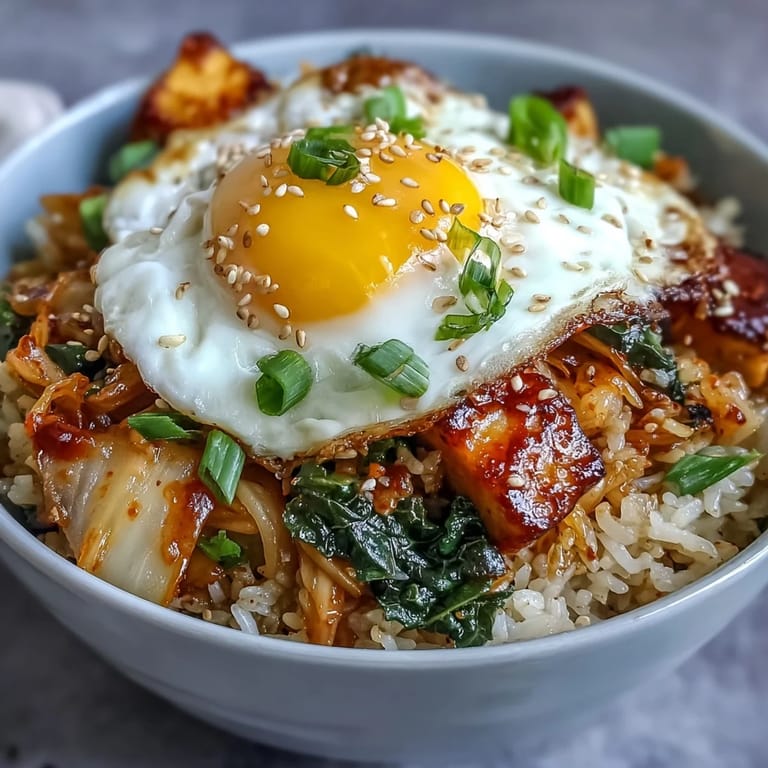
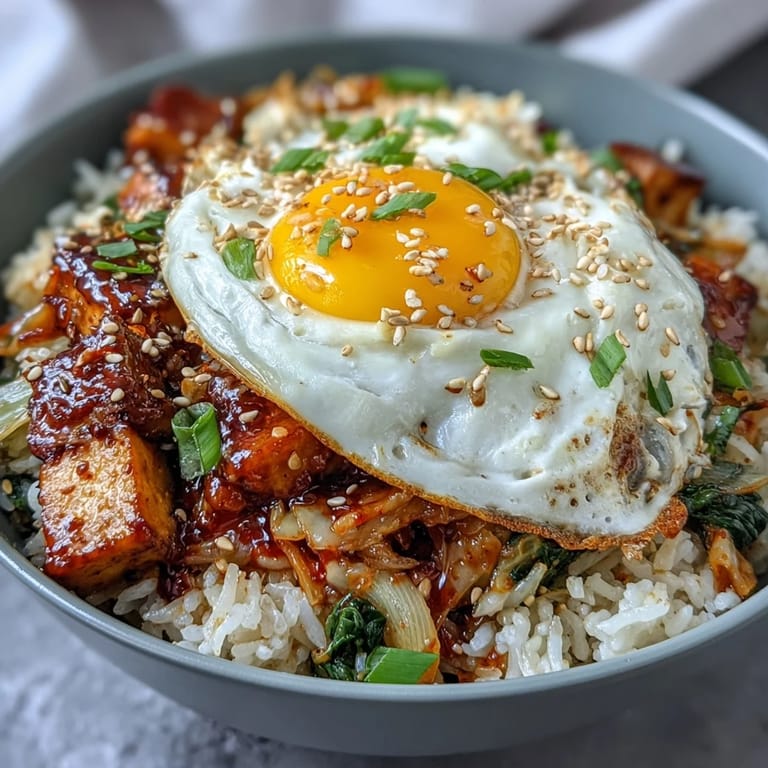
- Eggs: Fry them gently for a golden yolk that will melt right into your rice.
- Vegetable or sesame oil: I go for half sesame oil for smoky depth, but regular oil keeps things from browning too fast.
- Soy sauce: Adds savoriness; I always taste before adding more, since kimchi is salty already.
- Gochujang (optional): Just a dab brings a mellow, sweet heat—this took my fried rice from good to unforgettable.
- Toasted sesame oil: A finishing swirl does wonders, so don’t skip it at the end.
- Toasted sesame seeds: For nutty crunch and a hint of the familiar.
- Extra green onions and nori strips (garnish): Those delicate toppings make every bowl look and taste special, even when you’re just eating solo.
Tired of Takeout? 🥡
Get 10 meals you can make faster than delivery arrives. Seriously.
One email. No spam. Unsubscribe anytime.
Instructions
- Get Ready:
- Set out your cooked rice so it loses its chill, chop the kimchi, and slice all your veggies—there’s no time for fiddling mid-fry.
- Golden Tofu (optional):
- If using tofu, heat a bit of oil over medium-high and sizzle the cubes until the sides are crisp and golden brown before setting them aside.
- Sauté the Veggies:
- Add a splash more oil, and toss in your carrots plus the white parts of the green onions; let the edges caramelize just so.
- Kimchi in the Pan:
- Stir in your chopped kimchi and cook for a couple of minutes until the kitchen fills up with tang and spice.
- Add the Rice:
- Dump in all your cold rice; keep things moving so the grains get coated and the clumps break apart.
- Season and Sizzle:
- Pour over soy sauce and swirl in gochujang if you like it hot, then add the tofu back in and toss together.
- Toasted Finish:
- Drizzle with sesame oil and scatter sesame seeds, giving everything a final tumble – taste and adjust at this point.
- Egg on Top:
- In a clean skillet, fry your eggs sunny-side-up; the runny yolk is what makes the dish sing.
- Assemble and Serve:
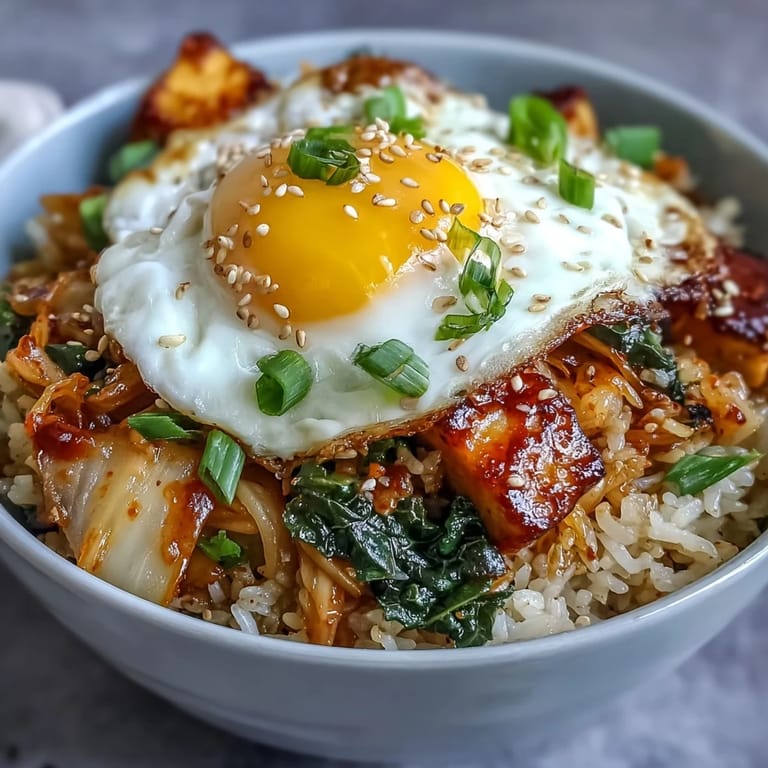
- Spoon heaps of fried rice into bowls, crown with an egg, extra scallions, and sprinkle over some nori strips if you’re in the mood.
 Save to Pinterest
  Save to Pinterest
 There’s something about bringing this bowl to the table, steam rising through sesame and chili, that makes even a simple weeknight feel worth celebrating. The first time I nailed it, I watched friends go quiet for exactly one bite before grinning back up at me—food really does have the power to speak for itself.
Let’s Talk Texture & Toppings
Garnishes might look optional, but don’t skip them; a scattering of nori delivers ocean-y crunch, and those green onions always brighten things up. Even a quick hit of sesame seeds right at the end can make the flavors more layered and satisfying. Over time I’ve added bits of cucumber or snapped seaweed, just because it keeps things interesting. It’s easy to customize—try what you like and don’t worry too much about chilling perfection.
Building Bold(er) Flavors
Finding the perfect balance between spicy, sour, and umami is where this dish really comes alive. I like to start with a small dab of gochujang and let my taste buds decide if they want to turn it up a notch. If you’ve got a little extra kimchi brine hanging out at the bottom of a jar, spoon it in to supercharge the rice. The first whiff as you stir everything together should make you hungry all over again.
Quick Fixes for Common Hiccups
If your fried rice feels too wet, leave the pan on high heat and don’t be shy about spreading it out to steam off extra moisture—this trick works every time. Tofu sticking? Use a non-stick pan or dredge lightly in cornstarch for a golden crust that always releases. Kept the rice on too long and it’s dry? Just splash in a tablespoon of water or extra kimchi juice to bring it back to life.
- Stir gently when adding the egg so the yolk stays intact.
- Don’t crowd the pan or your rice won’t crisp up.
- Always taste before adding more soy since kimchi can be briny.
 Save to Pinterest
  Save to Pinterest
 Kimchi fried rice never fails to bring a little adventure (and a lot of flavor) to my kitchen table. Here’s to more weeknight wins and unexpected kitchen joy, one bowl at a time.
Recipe FAQs
- → How do I keep the rice from turning mushy?
Use day-old, cold rice and break up any clumps before adding to the pan. Cook over medium-high heat with enough oil so grains separate and stir constantly until lightly toasted.
- → Can I make this vegan?
Yes—choose vegan kimchi (no fish sauce), omit the egg, and keep the tofu for protein. Finish with toasted sesame oil and sesame seeds for richness.
- → How can I adjust the spice level?
Control heat by reducing or omitting gochujang and using less of the kimchi juice. Add a pinch of sugar or a splash of soy to balance acidity if needed.
- → Which type of kimchi works best?
Napa cabbage kimchi is traditional and offers a good balance of tang and heat. Use moderately fermented kimchi for bright flavor; drain excessively wet kimchi slightly to avoid soggy rice.
- → What are good protein swaps?
Swap tofu for diced cooked chicken, shrimp, or tempeh. Add cooked protein back to the pan near the end to warm through without overcooking.
- → How should I store and reheat leftovers?
Refrigerate in an airtight container for up to 3–4 days. Reheat in a skillet over medium heat with a splash of oil or water to loosen the rice, or microwave until hot, stirring halfway.