 Save to Pinterest
 I discovered this dish purely by accident while scrolling through my phone at midnight, genuinely expecting to see another skincare hack but instead finding someone rave about blending cottage cheese into pasta sauce. My first thought was skeptical, but something about the simplicity stuck with me. Two days later, standing in my kitchen with a half-empty container of cottage cheese that needed using, I decided to try it. That first bite surprised me—creamy, rich, and nothing like the grainy texture I'd feared. It became the kind of dish I make when I want something restaurant-quality but without the fuss.
I made this for a friend who was deep in a protein-obsessed phase, and watching her face light up when she tasted the sauce was worth every minute. She kept asking what was in it, convinced I'd added cream or butter, and when I told her it was cottage cheese, she actually set her fork down in disbelief. Now she texts me for the recipe at least once a month, always the same message: "Need that creamy pasta again." There's something satisfying about a dish that surprises people in the best way.
Ingredients
- Dried pasta (180 g): Penne, rigatoni, or spaghetti all work beautifully here—I prefer shapes with curves because they hold the sauce better, though honestly any pasta gets the job done.
- Cottage cheese (200 g): This is the magic ingredient, and it needs to be smooth and creamy; full-fat versions feel richer, but low-fat works just fine if that's what you have.
- Parmesan cheese (30 g, freshly grated): Pre-grated sometimes has additives that make blending grainier, so take the thirty seconds to grate it fresh—it's worth it.
- Milk (2 tbsp): This loosens the sauce to a silky consistency; use whatever milk you have, dairy or not.
- Garlic (1 clove, minced): Fresh garlic makes a noticeable difference in depth; garlic powder will work in a pinch but tastes slightly different.
- Extra virgin olive oil (1 tbsp): This adds richness and helps emulsify the sauce, so don't skip it.
- Black pepper and salt: Start with these amounts and taste as you go, especially since Parmesan is already salty.
- Dried Italian herbs (½ tsp, optional): A small sprinkle brings warmth and familiarity, but the dish is perfect without it too.
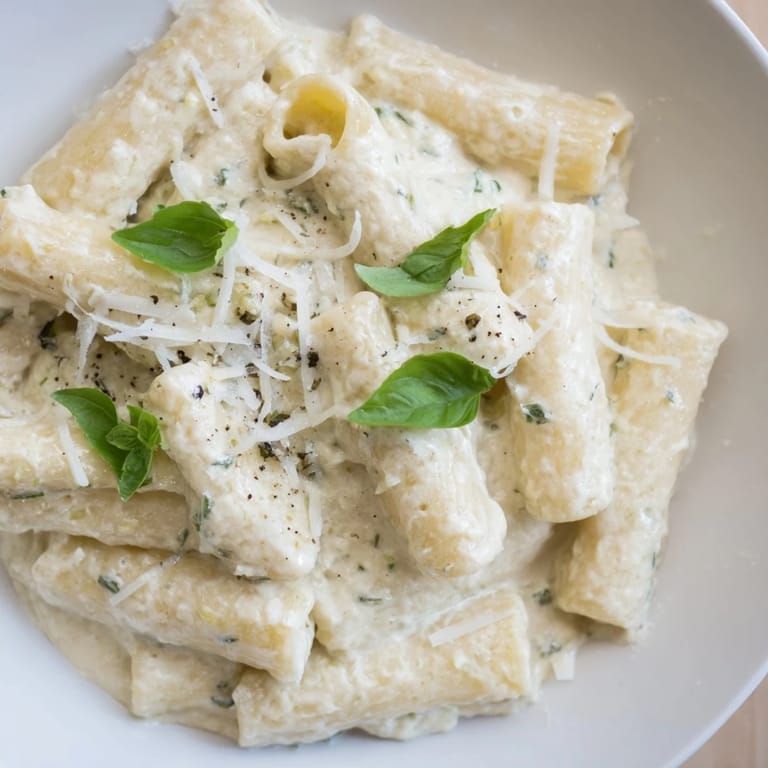
- Fresh basil, extra Parmesan, red pepper flakes for serving: These make the final dish feel intentional and bright.
Tired of Takeout? 🥡
Get 10 meals you can make faster than delivery arrives. Seriously.
One email. No spam. Unsubscribe anytime.
Instructions
- Get the pasta water going:
- Fill a large pot with salted water and bring it to a rolling boil—you want it aggressively boiling before the pasta goes in. This starchy water will become your secret weapon for creamy sauce later.
- Cook the pasta:
- Add pasta and stir occasionally so it doesn't clump. Taste it a minute before the package says it's done; al dente means it has a tiny bit of resistance when you bite it, not mushy. Reserve a generous ½ cup of pasta water before draining.
- Blend the sauce:
- While pasta cooks, add cottage cheese, Parmesan, milk, minced garlic, olive oil, black pepper, salt, and Italian herbs to a blender or food processor. Blend until completely smooth and silky—this takes about one minute of steady blending, and you want zero grainy texture.
- Warm the sauce gently:
- Pour the blended sauce into a large skillet over low heat and stir constantly for about two minutes until it's just warm. Low heat is crucial here because high heat can cause the sauce to break apart.
- Combine and adjust:
- Toss the drained pasta into the skillet with the warm sauce, stirring until every strand is coated. If it looks too thick, splash in a bit of reserved pasta water or a touch more milk until it reaches that silky, lightly clingy consistency.
- Plate and finish:
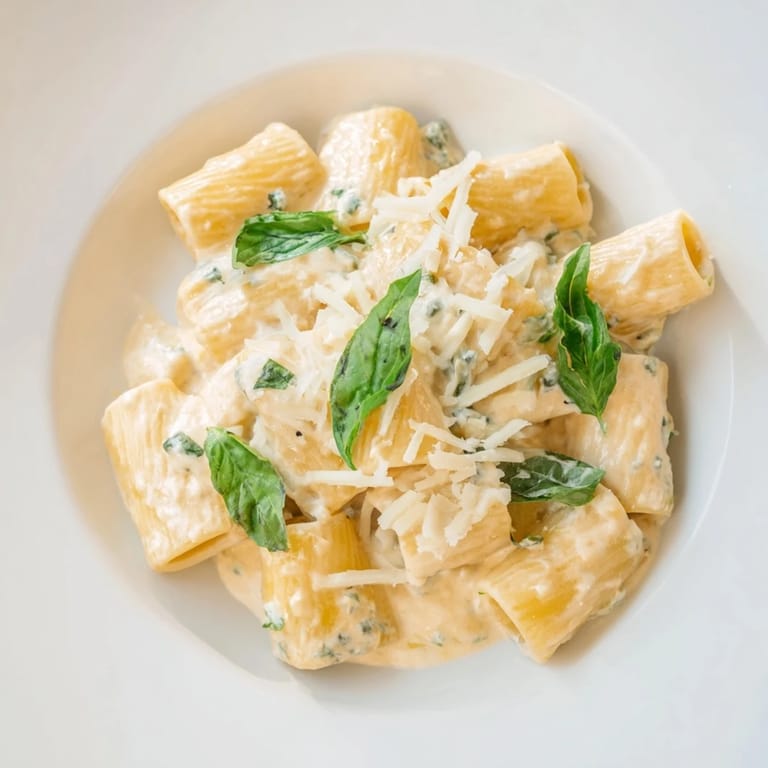
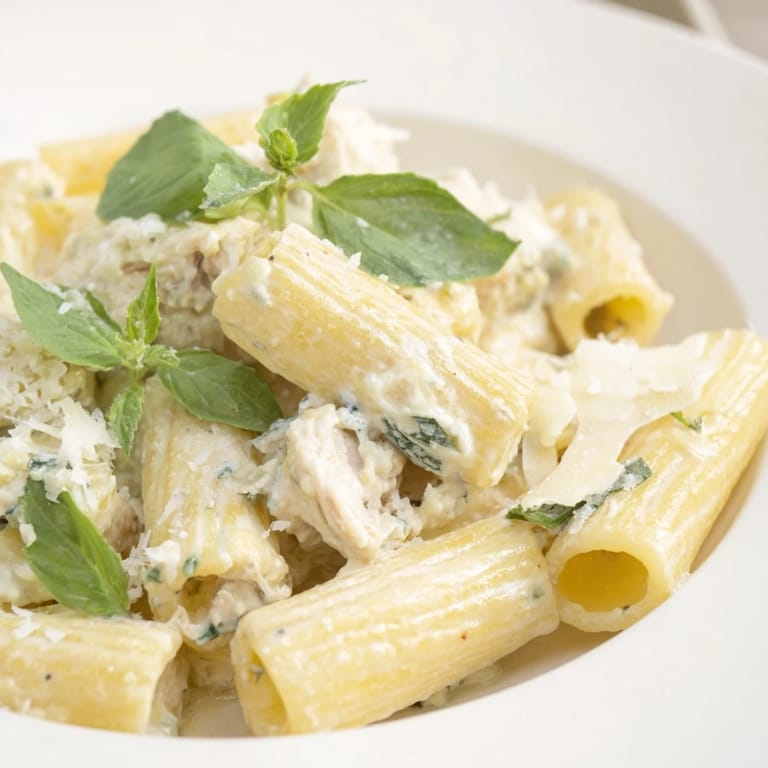
- Divide between bowls immediately while everything is still warm. Top with torn fresh basil, a shower of extra Parmesan, and red pepper flakes if you like a gentle heat.
 Save to Pinterest
 There was a moment last spring when I made this for myself on a Tuesday evening, nothing special, just a regular dinner. But sitting there with a bowl of pasta that tasted like it came from somewhere expensive, I realized how much I appreciated being able to create something that felt like a small luxury without any real effort. That's when I stopped thinking of it as just a trend and started thinking of it as a genuine favorite.
Why This Sauce Works
Cottage cheese gets a bad reputation for being lumpy or flavorless, but when you blend it with Parmesan, garlic, and a touch of fat, something magical happens. The Parmesan adds a salty, umami depth that carries the whole dish, while the olive oil helps everything emulsify into something that coats the pasta like it's been simmering for hours. The pasta water does the heavy lifting at the end, turning what could be thick and heavy into something ethereal. It's the kind of sauce that proves you don't need cream to feel luxurious.
Making It Your Own
The beauty of this dish is that it takes customization well without losing its soul. If you want more richness, use full-fat cottage cheese, or stir in a handful of cooked chicken or sautéed mushrooms for extra protein and texture. Some people swap ricotta for cottage cheese for a milder flavor, which works especially well if you're serving it to people who are skeptical about the original. Even switching to whole wheat or high-protein pasta changes the nutritional profile without changing the actual cooking method or timing.
Serving and Pairing
This pasta doesn't need much to feel like a complete meal, but a crisp green salad on the side brings freshness and cuts through the richness beautifully. If you're in the mood for wine, a chilled Pinot Grigio pairs effortlessly—the acidity complements the creamy sauce in a way that feels intentional. I've also made this for lazy lunches where I eat it straight from a bowl with nothing else, and it's equally satisfying because the protein keeps you full for hours.
- Add sautéed cherry tomatoes or spinach right before plating for color and nutrition.
- A squeeze of fresh lemon juice at the end brightens everything and prevents the dish from feeling too heavy.
- If you have fresh mint or dill instead of basil, use it—the sauce is forgiving enough to shine with different herbs.
 Save to Pinterest
 This recipe taught me that the best dishes are sometimes the ones that surprise you, not because they're complicated, but because they taste like more effort than they actually require. Make it tonight, and you'll probably find yourself making it again next week.
Recipe FAQs
- → Can I use different pasta types?
Yes, varieties like penne, rigatoni, or spaghetti work well and hold the creamy sauce nicely.
- → How can I adjust the sauce thickness?
Add reserved pasta water or extra milk gradually while warming to reach your preferred silky consistency.
- → Is it possible to make it vegan?
Substitute dairy with plant-based alternatives like vegan cheese and milk, though taste and texture may vary.
- → What herbs complement this dish best?
Dried Italian herbs enhance the sauce subtly, while fresh basil adds a bright aromatic finish.
- → Can I prepare this dish ahead of time?
The sauce can be blended in advance, but toss pasta with sauce just before serving for best texture.